
We’re diving into how businesses in Singapore can really make social media marketing work for them. It’s not just about posting pretty pictures; it’s about connecting with people and actually selling stuff. Singapore’s a super connected place, and people are online a lot, so there’s a huge chance to reach them. We’ll look at how to get noticed, build a following, and most importantly, turn those likes into sales.
Key Takeaways
- To really connect with people in Singapore, we need to get what they like and when they’re online. Think about what they care about – food, tech, lifestyle – and be there when they’re scrolling, maybe with quick updates or answers to their questions. It’s about being timely and relevant.
- We can’t just post the same thing everywhere. Each platform, like TikTok or LinkedIn, has its own vibe and audience. We need to create content that fits each one, and make sure we know what we want to achieve, like getting more leads or making more sales. Mixing paid ads with our regular posts can help us reach more people too.
- Selling directly on social media is a big deal now, and building a community around our brand makes people stick around. When customers feel like they’re part of something, they’re more likely to buy from us again and tell their friends. Responding quickly and being part of the conversation is key.
Understanding The Singaporean Social Media Landscape
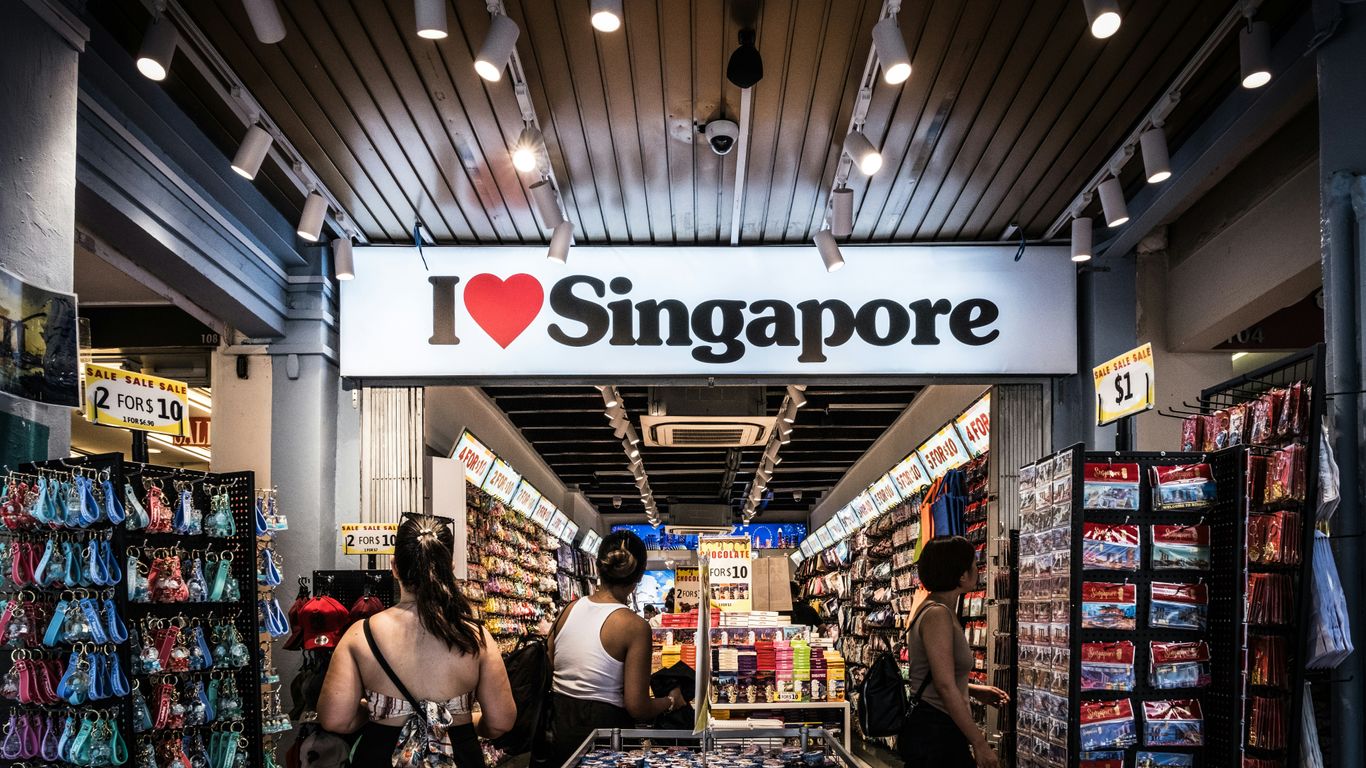
Alright, let’s talk about getting our heads around social media here in Singapore. It’s not just about posting pretty pictures; it’s about understanding the whole vibe. We’ve got over five million people glued to their phones daily, which is pretty wild when you think about it – that’s more than 88% of everyone here! So, if we want to connect with people, social media is definitely where it’s at.
Leveraging Timeliness For Customer Engagement
Think about it: Singapore is a fast-paced place. People here expect quick responses and content that feels relevant right now. We’re talking about jumping on trends, acknowledging local events, or even just posting something that makes sense for the time of day, like during a lunch break or the evening commute. Being quick and relevant is key to grabbing attention.
- Respond Fast: If someone comments or messages, we need to be on it. Waiting too long is a missed opportunity.
- Tap into Trends: See something buzzing online? If it fits our brand, let’s join the conversation.
- Localise Everything: Mentioning National Day, using local slang (carefully!), or referencing popular Singaporean food – these things make us feel more connected.
In a market as connected and dynamic as Singapore, being able to react quickly to what’s happening online and in real life isn’t just good practice; it’s how we build trust and show we’re paying attention.
Knowing Your Audience's Preferences
Singapore is a melting pot, right? We’ve got different cultures, languages, and traditions all mixed together. This means what works for one group might not work for another. We need to get a feel for what our specific audience likes. Are they scrolling TikTok for quick laughs, or are they on LinkedIn for more serious stuff? Do they prefer short videos, detailed articles, or maybe interactive polls?
Here’s a quick look at how different platforms are used:
| Platform | Primary Use Case in SG |
|---|---|
| TikTok | Short-form video, trends, entertainment, Gen Z/Millennials |
| Visuals, lifestyle, Stories, Reels, shopping | |
| Broader demographics, community groups, news | |
| Professional networking, B2B, industry insights | |
| YouTube | Longer videos, tutorials, entertainment, music |
Understanding these differences helps us put the right content on the right platform. It’s about speaking their language, literally and figuratively. For instance, a campaign that uses local memes might do great on TikTok, while a more professional piece of content would fit better on LinkedIn. We’ve got to remember that people here consume content differently based on their background and what they’re looking for on each app.
Crafting Effective Social Media Marketing Strategies
So, we’ve got a handle on what Singaporeans are up to online. Now, how do we actually make our social media efforts work for us? It’s not just about posting pretty pictures or funny videos; we need a plan that actually moves the needle for our business. Let’s break down how we can get this done.
Prioritizing Platform-Specific Content
First off, we need to stop treating all social media platforms like they’re the same. Think about it – what works on TikTok, with its quick, trend-driven videos, is totally different from what flies on LinkedIn, where people are looking for professional insights. We’ve got to tailor our content. This means understanding what our audience expects on each channel and creating posts that fit that vibe. For example, we might share behind-the-scenes fun on Instagram Stories, but post a more detailed industry thought piece on LinkedIn. It’s about speaking the right language on the right platform.
Here’s a quick look at how different platforms often play:
- TikTok: Short, punchy videos, trends, humor, raw and real.
- Instagram: Visually appealing photos and Reels, lifestyle, polished aesthetics.
- Facebook: Community building, sharing articles, events, broader audience reach.
- LinkedIn: Professional networking, industry news, thought leadership, B2B focus.
Focusing On Measurable Business Objectives
We can’t just post and hope for the best. We need to know what we’re trying to achieve. Are we trying to get more people to visit our website? Sell more products directly? Build a loyal group of followers? We need to set clear goals. Once we have those goals, we can pick the right numbers to track. If we want more website visits, we’ll look at click-through rates. If we want more sales, we’ll track actual purchases made through social media. It’s important to check these numbers regularly, maybe once a month, to see if our strategy is actually working.
Setting clear, measurable goals is the first step to knowing if your social media is actually helping your business grow, not just keeping you busy.
Combining Paid And Organic Content Strategically
We don’t have to pick between free posts and paid ads. The smartest approach is usually a mix of both. Organic content – the stuff we post regularly without paying for it – is great for building relationships and showing our brand’s personality. Paid ads, on the other hand, are fantastic for reaching new people who might not know us yet or for promoting specific offers. By using them together, we can get the best of both worlds: building a community with our regular posts and expanding our reach with targeted ads. This way, we’re not just relying on luck; we’re actively guiding our growth.
Driving Sales Through Social Commerce And Community
So, how do we actually turn all that social media buzz into actual sales in Singapore? It really comes down to two big things: making it easy for people to buy right on the platforms they love, and building a real connection with them.
Direct Revenue Via Social Commerce
Let’s talk about buying stuff directly through social media. It’s huge here in Singapore, and honestly, it’s not that surprising. People are already spending so much time scrolling, so why make them leave the app to buy something? We’ve seen a massive jump in people buying things directly from platforms like TikTok and Instagram. It cuts out so many steps, making it super simple for customers. Think about it: they see something they like, maybe in a cool video or a live stream, and poof, they can buy it right there. This is why brands are really leaning into features like TikTok Shop and Instagram Shopping. It shortens the whole buying process, which usually means more sales for us.
We’ve also noticed that live selling, where influencers or brands demo products in real-time, is becoming a massive deal. It creates a sense of urgency and allows for immediate questions and answers, which really helps close the deal. It’s not just for small businesses anymore; even big names are getting in on it. This direct path to purchase is a game-changer for boosting revenue.
Building Community And Customer Loyalty
Beyond just selling, we need to build a tribe. In Singapore, people value connection, and that extends to the brands they support. When we actively engage with our audience – responding to comments, answering DMs quickly, and especially highlighting what our customers are saying – we build trust. User-generated content, like reviews or photos of people using our products, is gold. It’s way more believable than anything we create ourselves.
We can do this by:
- Encouraging customers to share their experiences: Ask them to post photos or videos using a specific hashtag.
- Running Q&A sessions or polls: Get direct feedback and show you’re listening.
- Responding promptly and personally: Make every interaction count, whether it’s a compliment or a complaint.
Building a strong community means people feel like they’re part of something. This loyalty translates into repeat business and, importantly, word-of-mouth marketing, which is still incredibly powerful. It’s about creating fans, not just customers.
This approach also ties into how important local relevance is. Showing that we understand Singaporean culture and lifestyle helps us connect on a deeper level. When people feel understood, they stick around. Plus, being super responsive on social channels, especially through messaging apps where many Singaporeans prefer to communicate, is key to a great customer experience. It shows we’re reliable and care. For businesses looking to boost their local visibility, understanding how local SEO services in Singapore can complement these efforts is also a smart move, ensuring people can find you both online and offline.
Want to boost your sales using social media and online communities? It’s a smart move! These platforms let you connect directly with customers, build loyalty, and create buzz around your products. Imagine turning followers into buyers just by being active and engaging. Ready to see how this can work for your business? Visit our website to learn more about making social commerce and community work for you!
So, What's the Takeaway?
Alright, so we’ve talked a lot about how social media in Singapore is a pretty big deal for businesses trying to make sales. It’s not just about posting stuff and hoping for the best. We need to actually get what people here like, use the right platforms, and be quick to chat with everyone. It’s a bit of a juggling act, for sure, but when we get it right, it really pays off. Keep an eye on what’s working, don’t be afraid to try new things, and remember to actually talk to the people following you. That’s how we’ll keep growing.
Frequently Asked Questions
Why is social media so important for businesses in Singapore?
Basically, almost everyone in Singapore is on social media every single day! It’s a super easy way for us businesses to chat directly with customers, show them what we’ve got, and hopefully make more sales. Think of it like having a direct line to your customers to build connections and grow your business.
How do we make our social media posts actually grab attention?
We need to be smart about what we post and where. Different apps like TikTok and Instagram are used differently, so we should make our content fit each one. For example, fun, quick videos work great on TikTok, while more polished pictures might do better on Instagram. It’s all about giving people what they expect on the platform they’re using.
Can we actually sell stuff directly through social media?
Totally! It’s called social commerce, and it’s getting really popular here. People can find a product they like and buy it right there on the app without leaving. This makes it way simpler for customers to buy from us and can really boost our sales because the whole process is so smooth.
Digital Marketing Singapore provides a full suite of services – including social media marketing, content marketing, SEO Singapore, digital marketing services – to help Singapore businesses drive measurable growth online.

Natasha Tan is the founder of Digital Marketing Singapore, a full-service SEO and digital marketing agency based in Singapore. With hands-on experience across SEO, paid media, and content strategy, she works directly with Singapore businesses to build organic visibility and generate consistent leads. Natasha specialises in the Singapore market — including local search behaviour, PDPA compliance, and government grant navigation for SMEs.