
We all want our websites to show up when people search for things, right? Especially here in Singapore, where things move fast. Getting your site seen isn’t just about luck; it’s about knowing what works. We’ve looked into what actually makes a difference for SEO in Singapore, and it turns out, it’s a mix of smart strategies and keeping up with the latest changes. Let’s break down how we can make our sites work harder for us.
Key Takeaways
- Focus on real data to guide your keyword research and content creation for the Singapore market.
- Prioritize technical SEO and Core Web Vitals for a better user experience and search engine ranking.
- Embrace local SEO and mobile optimization to connect with Singaporean customers effectively.
1. Keyword Research
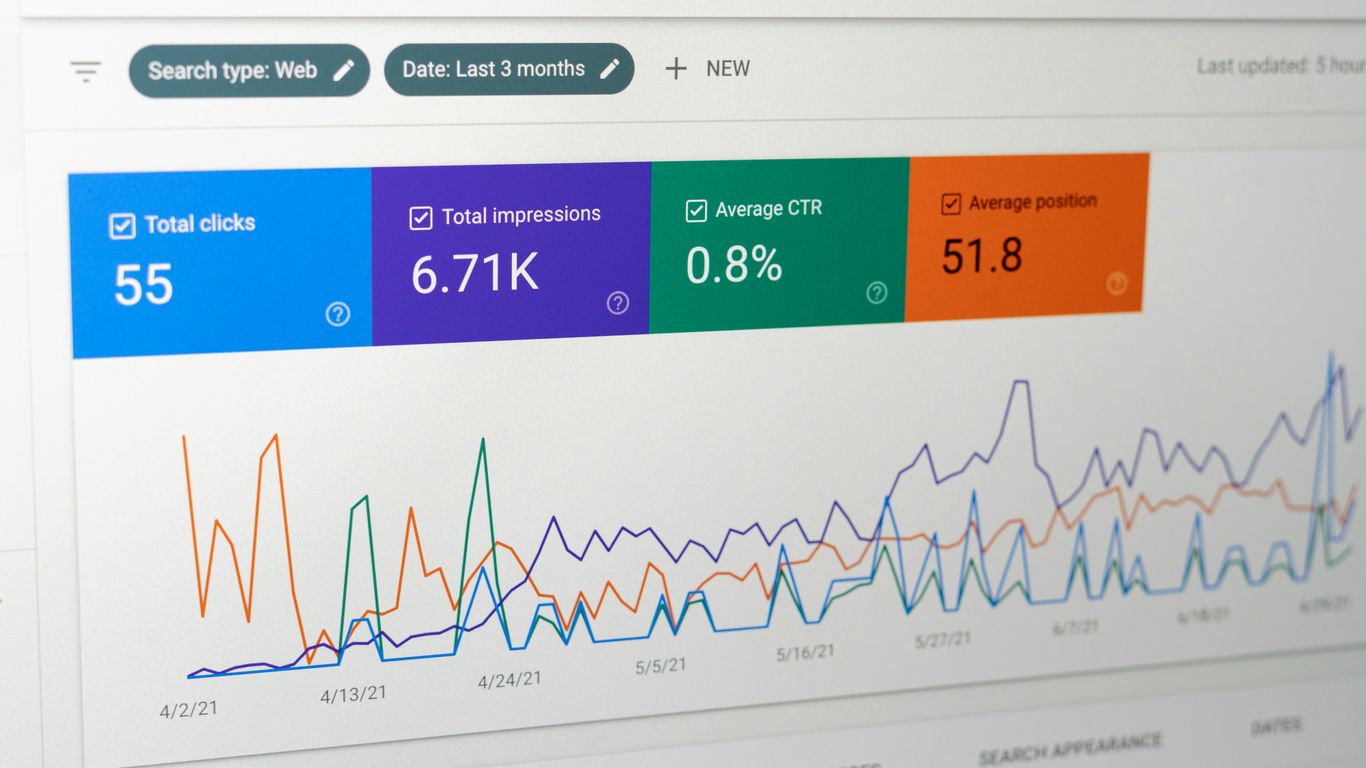
Alright, let’s talk about keyword research. Honestly, this is where we lay the groundwork for everything else we do in SEO. Without knowing what words and phrases people are actually typing into Google to find businesses like yours, we’re just guessing, and that’s not a good strategy.
Think of it like this: if you’re selling handmade dog collars in Singapore, you don’t want to just target "collars." That’s way too broad. We need to dig deeper and find terms like "custom dog collars Singapore," "handmade leather dog collars," or maybe even "eco-friendly pet accessories Singapore." These are the phrases that tell us someone is looking for exactly what you offer.
We spend a good chunk of time figuring out which keywords have decent search volume (meaning enough people are looking for them) but also aren’t ridiculously hard to rank for. It’s a balancing act. We look at:
- Search Volume: How many people are searching for this term each month?
- Keyword Difficulty: How tough will it be to rank for this keyword compared to others?
- User Intent: What is the person really looking for when they type this in? Are they ready to buy, or just browsing?
- Relevance: Does this keyword actually match what we offer on our site?
Finding the right keywords is the absolute first step to getting found online. It helps us understand our audience better and guides our content creation. We use tools to analyze what competitors are ranking for, too. It’s not just about finding a few words; it’s about building a whole map of terms that can bring the right kind of traffic to your website.
We’re not just looking for any traffic; we’re looking for traffic that converts. That means finding keywords that signal a real interest in your products or services, not just casual curiosity. This focus helps us bring in potential customers who are more likely to become actual buyers.
For example, let’s say we’re looking at "Singapore digital marketing agency." This is a pretty competitive term. We’d break it down further:
| Keyword | Monthly Searches (Est.) | Keyword Difficulty (Est.) | Intent |
|---|---|---|---|
| Digital marketing Singapore | 5,000 | 75 | High |
| SEO agency Singapore | 3,000 | 70 | High |
| Social media marketing SG | 2,500 | 65 | Medium |
| Content marketing agency | 1,500 | 55 | Medium |
See how we can start to see different angles? We’d then pick a mix of these, focusing on those with good intent and a manageable difficulty level for your specific situation. It’s all about being smart with our efforts.
2. Technical SEO
When we talk about technical SEO, we’re basically looking under the hood of your website. It’s all about making sure search engines can easily find, understand, and index your content without any hiccups. Think of it as building a solid foundation for your online presence. If your site is slow, hard to crawl, or not secure, all the great content in the world won’t matter much.
We focus on a few key areas to get this right:
- Site Speed: Nobody likes waiting for a page to load. We work to get your pages loading as fast as possible, which is super important for keeping visitors happy and Google impressed. Slow loading times are a big turn-off.
- Mobile-Friendliness: Most people browse on their phones these days, so your website absolutely needs to look and work great on smaller screens. We make sure your site is responsive and easy to use on any device.
- Crawlability and Indexability: Search engines like Google send out ‘bots’ to explore your site. We make sure these bots can easily access all your important pages and understand what they’re about. This involves checking your sitemaps and robots.txt file.
- Site Security (HTTPS): Having a secure website isn’t just good practice; it’s a ranking factor. We ensure your site uses HTTPS to protect user data and build trust.
A slow website, or one that doesn’t work properly, will cause visitors to lose interest and bounce off. We check and test your website thoroughly to find technical issues, making sure it’s fast, mobile-friendly, secure, and provides a smooth experience for everyone.
We also keep an eye on things like broken links and duplicate content, which can really mess with your SEO. Fixing these technical bits is often the first step before we see bigger ranking improvements. It’s the behind-the-scenes work that makes everything else possible, including making sure your business shows up when people search locally, like for local SEO services in Singapore.
3. On-Page SEO
Alright, let’s talk about on-page SEO. This is basically everything we can do on your website to make it more appealing to both search engines and, more importantly, the people who visit it. Think of it as making your site super clear and helpful for everyone.
We’re not just talking about stuffing keywords everywhere, though that’s part of it. It’s about making sure your content is well-written, easy to read, and directly answers what people are searching for. We also look at things like:
- Title Tags: These are the clickable headlines in search results. They need to be clear, concise, and include your main keyword.
- Meta Descriptions: While not a direct ranking factor, a good meta description encourages clicks. It’s your little sales pitch in the search results.
- Header Tags (H1, H2, H3, etc.): These help structure your content, making it easier for both readers and search engines to understand what’s important on the page.
- Image Alt Text: This describes your images for visually impaired users and search engines. It’s a small detail that can make a difference.
- URL Structure: Keeping your URLs clean and descriptive helps users and search engines understand the page’s topic.
The goal here is to create a user-friendly experience that search engines can easily understand and rank.
We pay close attention to how content is organized on each page. This includes making sure the most important information is easy to find and that the page flows logically from one section to the next. It’s about making sure visitors don’t get lost or confused when they land on your site.
We also make sure that all the technical bits are sorted, like making sure your images are optimized so they don’t slow down your page. It’s all about creating a smooth, informative experience for anyone who lands on your site. We want people to find what they need quickly and easily, and stick around to explore more.
4. Local SEO
When we talk about local SEO, we’re really focusing on making sure businesses get found by people nearby. Think about it – if you’re craving some good hawker food, you’re probably going to search for "best chicken rice near me" or "food stalls in [your neighborhood]." That’s exactly what local SEO is all about: connecting local customers with local businesses.
It’s about showing up when it matters most, right in your backyard.
For us, this means a few key things. First, we optimize for those super specific, location-based keywords. It’s not just about "SEO services," but "SEO services Singapore" or even "digital marketing agency in Tanjong Pagar." We also put a lot of effort into your Google Business Profile (formerly Google My Business). This is like your business’s digital storefront on Google Maps and local search results. Keeping it updated with accurate hours, photos, services, and responding to reviews is a big deal.
Here’s a quick rundown of what we focus on for local SEO:
- Google Business Profile Optimization: Making sure your listing is complete, accurate, and engaging.
- Local Keyword Targeting: Using terms people actually search for when they’re looking for something in your area.
- Citations: Getting your business listed in relevant online directories (like Yellow Pages Singapore, local business listings).
- Reviews: Encouraging happy customers to leave reviews on Google and other platforms, and responding to them.
- Location-Specific Content: Creating content on your website that talks about your local area or services offered in specific neighborhoods.
We’ve seen how powerful this can be. For instance, a small cafe in Katong might see a huge jump in foot traffic just by optimizing their Google listing and targeting keywords like "cafe near East Coast Park" or "brunch spots Joo Chiat."
Local SEO isn’t just for brick-and-mortar stores. Any business that serves a specific geographic area, even if it’s a service-based business like a plumber or a consultant, can benefit massively from a strong local presence online. It’s about being the go-to choice for people in your community.
5. Link Building

Alright, let’s talk about link building. This is where we focus on getting other websites to link back to ours. Think of it like getting recommendations – the more good ones you have, the more trustworthy and important your site seems to Google.
It’s not just about grabbing any link, though. We’re aiming for quality. A link from a well-respected site in our industry carries way more weight than a random link from a site nobody’s heard of. In a competitive market like Singapore, getting these high-quality links is super important. We’ve seen that ranking on the first page often means having anywhere from 20 to over 100 other websites pointing to you, and these should ideally be from sites with good authority (think Domain Rating of 40-70+).
So, how do we actually get these links? It usually comes down to a few main strategies:
- Creating awesome content: When you put out really useful, unique, or data-driven content, other sites naturally want to link to it. This could be in-depth guides, original research, or helpful tools.
- Digital PR: This involves getting your brand or content featured in online publications, news sites, or blogs. It’s about building relationships with journalists and editors.
- Outreach: This is the direct approach where we contact other website owners or content creators to suggest a link, perhaps by mentioning a relevant piece of your content or offering to write a guest post.
It takes time and effort, for sure. Building a strong backlink profile isn’t a quick fix; it’s a long-term play. We need to be strategic about who we reach out to and what we offer. The goal is to build a natural, diverse profile of links that signals authority and relevance to search engines.
We’ve noticed that in Singapore’s busy digital landscape, simply having a good website isn’t enough. You need to actively build your site’s reputation across the web. This means investing in strategies that earn you mentions and links from reputable sources, showing Google that your site is a go-to resource.
6. Content Strategy
Okay, so we’ve talked about keywords and making sure your site is technically sound. But what about the actual stuff people see and read? That’s where content strategy comes in, and honestly, it’s a big deal. We can’t just stuff keywords everywhere and expect magic to happen. People are smart, and search engines are getting smarter too.
Our approach is pretty straightforward: we focus on creating content that’s genuinely useful and interesting for you and your potential customers. Think of it like this:
- Understanding Your Audience: We dig into who you’re trying to reach. What are their problems? What questions do they have? What kind of information are they looking for?
- Topic Clusters: Instead of just random blog posts, we group related topics together. This helps search engines see that you’re an authority on a subject, and it makes it easier for visitors to find all the information they need.
- Content Formats: We don’t just stick to blog posts. Depending on what works best, we might suggest guides, infographics, videos, or even interactive tools. Variety keeps things fresh.
- Regular Updates: Content isn’t a ‘set it and forget it’ thing. We plan for regular updates and new content to keep your site relevant and engaging.
The goal is to create content that answers questions, solves problems, and keeps people coming back for more. When you do that, search engines notice, and more importantly, your audience notices.
We also look at what your competitors are doing. Are they creating amazing content that you’re missing out on? We’ll figure that out and make sure you’re not left behind. It’s all about building a library of resources that positions you as the go-to expert in your field. This isn’t just about getting clicks; it’s about building trust and relationships.
7. Core Web Vitals
We all know how frustrating a slow website can be, right? It’s like trying to get somewhere important, but everything is moving at a snail’s pace. Google feels the same way, and that’s why they introduced Core Web Vitals. These are basically a set of metrics that measure the user experience of a webpage, focusing on loading speed, interactivity, and visual stability.
Think of it this way:
- Largest Contentful Paint (LCP): This measures how long it takes for the main content of a page to load. We want this to be fast, ideally under 2.5 seconds. If your LCP is slow, users might get impatient and leave before they even see what you have to offer.
- First Input Delay (FID): This is all about how quickly your page responds when a user first interacts with it, like clicking a button or a link. A good FID means your site feels snappy and responsive. We aim for an FID of less than 100 milliseconds.
- Cumulative Layout Shift (CLS): This one measures how much the content on your page unexpectedly shifts around while it’s loading. You know, when you’re about to click something, and then BAM! The whole page moves, and you click the wrong thing? That’s a bad CLS. We want this to be as close to zero as possible.
Getting these right is super important because they directly impact how users perceive your site and, by extension, how Google ranks it. A page that loads quickly, is interactive, and doesn’t have elements jumping around provides a much better experience. We’ve seen that sites with good Core Web Vitals tend to have lower bounce rates and higher conversion rates. It’s not just about looking good; it’s about functioning well for the people visiting.
We focus on optimizing these metrics because a smooth user experience is no longer a nice-to-have; it’s a requirement for good SEO. When users have a positive interaction with your site, they’re more likely to stick around, engage with your content, and ultimately become customers. It’s a win-win situation.
8. Schema Markup
So, let’s talk about schema markup. You might have heard of it, or maybe it sounds like something super technical. Basically, it’s a way to add extra code to your website that helps search engines understand your content better. Think of it like giving search engines a cheat sheet for your pages.
This structured data can make your content stand out in search results. When search engines can easily figure out what your page is about – like if it’s a recipe, an event, a product, or a local business – they can display it in more helpful ways. This often means rich snippets, which are those eye-catching bits of extra info you see below a regular search result. They can include things like star ratings, prices, event dates, or cooking times.
Why is this good for us? Well, richer search results tend to get more clicks. If your listing has more information and looks more appealing than the one next to it, people are more likely to click on yours. It’s a simple way to improve your click-through rate without changing your ranking position.
Here are a few common types of schema we use:
- Organization Schema: Helps search engines understand details about your business, like your name, logo, and contact info.
- Product Schema: Great for e-commerce sites, it can show prices, availability, and reviews directly in search results.
- Article Schema: Useful for blogs and news sites, it can highlight headlines, images, and publication dates.
- Local Business Schema: Essential for brick-and-mortar stores, it provides addresses, phone numbers, and opening hours.
Implementing schema isn’t overly complicated, and it can have a real impact on how your site appears in search. It’s one of those behind-the-scenes things that makes a big difference.
We’ve found that adding schema markup, especially for products and local business information, can significantly boost visibility in search results. It’s not just about telling search engines what your content is, but about helping them present it in the most user-friendly way possible.
9. Mobile Optimisation
Okay, let’s talk about making sure your website plays nice on phones and tablets. We all know people are glued to their devices these days, right? If your site is a pain to use on a small screen, visitors are just going to tap away and find someone else. It’s that simple.
We need to make sure our websites are not just functional, but actually pleasant to use on any device. This means thinking about how things look and work on screens of all sizes. We’re talking about text that’s easy to read without zooming, buttons you can actually tap without hitting the wrong thing, and images that load quickly without gobbling up all your data.
Here’s what we focus on:
- Responsive Design: This is the big one. It means your website automatically adjusts its layout to fit whatever screen it’s being viewed on. No more sideways scrolling or tiny text!
- Page Speed: Mobile users are impatient. We test and tweak to make sure pages load super fast, even on slower connections. Nobody waits around for a slow site.
- Touch-Friendly Navigation: Buttons and links need to be spaced out enough so people can tap them easily with their fingers. Think about how annoying it is when you accidentally click the wrong thing.
- Readable Content: Font sizes and line spacing matter. We make sure the text is clear and comfortable to read, even on a smaller display.
We often see a big difference in how users interact with sites that are mobile-friendly versus those that aren’t. It’s not just about looking good; it’s about user experience and keeping people engaged.
Making your website mobile-friendly isn’t just a nice-to-have anymore; it’s a must-have. Google even prioritizes mobile-friendly sites in its search results, so if you’re not optimized, you’re missing out on potential visitors and customers. It’s a core part of good SEO practice today.
10. Answer Engine Optimisation
You know how people ask questions into Google and expect a direct answer? That’s basically what Answer Engine Optimisation (AEO) is all about. It’s about making sure our content is the one that pops up when someone asks a question related to what we do.
Think about it: when someone types in, "What’s the best way to clean a coffee machine?" or "How do I find a reliable plumber in Singapore?", we want our website to be the one that gives them the clear, concise answer right there on the search results page. This often means structuring our content in a way that search engines can easily understand and pull out as a direct answer, like in those featured snippets or "People Also Ask" boxes.
So, how do we actually do this?
- Identify Question-Based Keywords: We dig into what questions our potential customers are actually asking. This goes beyond just regular keywords and looks for phrases that start with "how," "what," "why," "where," and "when."
- Create Direct Answers: Once we know the questions, we write content that directly answers them. This means getting straight to the point, using clear language, and providing helpful information without a lot of fluff.
- Structure for Clarity: We use formatting like bullet points, numbered lists, and short paragraphs to make the answers easy to read and digest. This helps search engines pick out the key information.
- Use Schema Markup: This is a bit more technical, but we can use specific code (schema markup) to tell search engines exactly what our content is about, making it easier for them to understand and display it as an answer.
The goal here is to be the go-to source for information in our niche. When people get a quick, accurate answer from us, they’re more likely to trust us and click through to our site. It’s a smart way to grab attention and show we know our stuff.
We’re not just trying to rank for keywords anymore; we’re trying to answer questions. It’s a subtle shift, but it means we’re focusing on user intent and providing real value right when people need it most.
Want to make sure your website shows up when people search for what you offer? That’s where Answer Engine Optimization comes in. It’s all about making your site friendly to search engines so they can easily find and show your content. Ready to boost your online visibility? Visit our website today to learn more!
So, What's the Takeaway?
Alright, we’ve gone through a lot, haven’t we? It’s clear that picking the right SEO partner in Singapore isn’t just about finding someone who knows keywords. It’s about finding a team that actually gets your business, shows you real proof of their work, and stays on top of all the crazy changes in search. We’ve seen that the best agencies are upfront about what they do, how they do it, and what kind of results you can expect – and importantly, when you can expect them. Remember, SEO is a marathon, not a sprint. So, take your time, ask the tough questions, and find that agency that feels like a true extension of your own team. That’s how we’ll all win online.
Frequently Asked Questions
How long does it usually take to see results from SEO in Singapore?
We know it’s tempting to want results ASAP, but good SEO takes time. Typically, we start seeing noticeable changes within 4 to 6 months. It’s a marathon, not a sprint, and consistent effort is key to building lasting online visibility.
What's the difference between regular SEO and local SEO in Singapore?
Think of it this way: regular SEO is about getting found by anyone, anywhere, who searches for what you offer. Local SEO, on the other hand, is super focused on attracting customers right in your neighborhood or city. For businesses in Singapore, especially those with a physical shop or service area, local SEO is crucial for bringing in nearby customers.
Can you guarantee specific Google rankings for my website?
We can’t promise exact rankings because Google’s system is always changing, and lots of things affect where a site lands. Instead of guarantees, we focus on using proven strategies that consistently improve your site’s overall performance and bring in more relevant visitors.
Digital Marketing Singapore provides a full suite of services – including SEO Singapore, content marketing, social media marketing, digital marketing services – to help Singapore businesses drive measurable growth online.

Natasha Tan is the founder of Digital Marketing Singapore, a full-service SEO and digital marketing agency based in Singapore. With hands-on experience across SEO, paid media, and content strategy, she works directly with Singapore businesses to build organic visibility and generate consistent leads. Natasha specialises in the Singapore market — including local search behaviour, PDPA compliance, and government grant navigation for SMEs.