We’ve been looking into how a Content Marketing Agency can really help boost your SEO for the long haul. It’s not just about throwing content out there; it’s about doing it smart. We found that when you mix great content with solid SEO practices, you start seeing some serious growth. Think of it as building a strong foundation for your website that keeps bringing people back, year after year. We’ll walk you through some of the strategies we’ve seen work best.
Key Takeaways
- When we combine content marketing and SEO, they work way better together than apart. Content gives SEO something to work with by creating pages people look for and building up your site’s topic authority over time.
- We should use keyword research to pick topics, but then focus on what the searcher actually wants when we write and structure the content. Using topic clusters, like a main page with related posts, is a great way to become an authority on a subject and help search engines find everything.
- Making sure our pages are optimized for search engines means writing for people first and making it easy for search engines to understand. It’s not about stuffing keywords everywhere. Measuring how well things are doing should look at the whole picture, not just rankings and traffic.
Building Authority Through Strategic Content
We often see teams get stuck trying to make content and SEO work together. It feels like two different worlds, right? One group wants to write amazing stories, and the other is all about keywords and rankings. But here’s the thing: they’re not separate jobs. When we treat content and SEO as one unified strategy, that’s when the real magic happens for long-term growth.
Think about it. If you just churn out content without thinking about what people are actually searching for, it’s like shouting into the void. And if you only focus on keywords without creating something interesting or helpful, well, nobody’s going to stick around. We need to build content that people love and that search engines can easily find and understand.
Leveraging Evergreen Content for Sustained Traffic
We all want those steady streams of visitors, and that’s where evergreen content comes in. This is the stuff that stays relevant for a long time – think how-to guides, ultimate lists, or deep dives into core concepts in our industry. Unlike news articles that fade fast, evergreen pieces keep bringing people to our site month after month, even year after year.
- Identify Core Topics: What are the fundamental questions your audience always asks?
- Create In-Depth Resources: Go deep. Make it the best answer out there.
- Update Regularly: Even evergreen needs a refresh. Add new data, examples, or insights.
This kind of content is gold for SEO because it consistently signals to search engines that your site is a reliable source of information. It helps build up your site’s authority over time without you having to constantly chase new trends.
Earning High-Quality Backlinks Through Thought Leadership
Backlinks are like votes of confidence from other websites. The more high-quality votes you have, the more trustworthy and authoritative your site appears. But how do we get them without begging?
By becoming a thought leader. This means creating content that’s so insightful, original, and helpful that other sites want to link to it. It’s about sharing unique perspectives, conducting original research, or offering expert analysis that others can’t easily find elsewhere.
When we consistently produce content that genuinely helps our audience and offers a unique viewpoint, other reputable sites naturally start to notice. They’ll link to our articles because they add real value to their own content or provide a great resource for their readers. This isn’t about quick wins; it’s about building a reputation over time.
This approach not only earns us those coveted backlinks but also positions us as go-to experts in our field. It’s a win-win: better SEO and a stronger brand reputation.
Integrating Content and SEO for Maximum Impact
We often see content marketing and SEO treated like two separate things, like they’re these totally different departments that don’t talk much. But honestly, that’s a mistake. When we actually get them working together, that’s when the magic happens for long-term growth. Think of SEO as the map and the roads, making sure people can find you. Content is the destination, the reason they want to come in the first place.
On-Page Optimization for Search Engine Discoverability
So, what does this integration look like day-to-day? It starts with how we build our content. We don’t just write about whatever we feel like. We look at what people are actually searching for. This means keyword research isn’t just for the SEO folks; it’s for the writers too. We want to know the exact words and phrases our audience uses when they’re looking for solutions we can provide.
But it’s not just about stuffing keywords in. Search engines have gotten way smarter, and they can tell when content is written just to trick them. We need to write for people first. That means making sure our content is easy to read, answers questions clearly, and is structured in a way that makes sense. This includes things like:
- Using clear headings and subheadings (like these!)
- Writing descriptive meta descriptions that make people want to click
- Including internal links to other relevant content on our site
- Making sure images have descriptive alt text
It’s about making it super easy for both people and search engines to understand what our pages are about. When we do this right, our content gets found more easily, and people stick around longer because they found what they needed.
Aligning Content Creation with User Intent
This is where we really connect with our audience. User intent is basically figuring out why someone is searching for something. Are they trying to learn? Are they looking to buy something? Or maybe they just want to find a specific website?
We need to make sure the content we create directly matches that intent. If someone is searching for "how to fix a leaky faucet," they probably don’t want a sales pitch for a new sink. They want step-by-step instructions. Our content needs to be that helpful guide.
We need to be the best answer to the question someone is asking. If we can consistently do that, search engines will notice and reward us.
Here’s a quick way to think about it:
- Informational Intent: People want to learn something. Think blog posts, guides, how-tos.
- Navigational Intent: People want to find a specific website or page. Think branded searches.
- Transactional Intent: People are ready to buy or take a specific action. Think product pages, service pages.
When we align our content with these different intents, we not only rank better but also build trust. People see us as a reliable source because we’re giving them exactly what they’re looking for, when they’re looking for it. This leads to better engagement, fewer people bouncing off our site, and ultimately, more conversions down the line. It’s a win-win.
Measuring Success and Adapting Strategies
Okay, so we’ve put in the work, right? We’ve built out this awesome content, optimized it like crazy, and now we’re waiting for the magic to happen. But how do we actually know if it’s working? We can’t just cross our fingers and hope for the best. We need to look at the numbers.
Performance Measurement for Continuous Improvement
This is where we get real with our results. It’s not just about vanity metrics like page views, though those can be a starting point. We need to dig deeper and see what’s actually moving the needle. Think about things like:
- Traffic Sources: Where are people coming from? Are they finding us through search, social, or somewhere else?
- Engagement Rates: Are people actually sticking around to read our content, or are they bouncing off after a few seconds? Look at time on page, scroll depth, and interaction rates.
- Conversion Metrics: This is the big one. Are people taking the actions we want them to take? Signing up for a newsletter, downloading a guide, or making a purchase? We need to track these conversions back to our content.
- Backlink Growth: Are other sites linking to our stuff? This is a huge indicator of authority and how much value others see in our content.
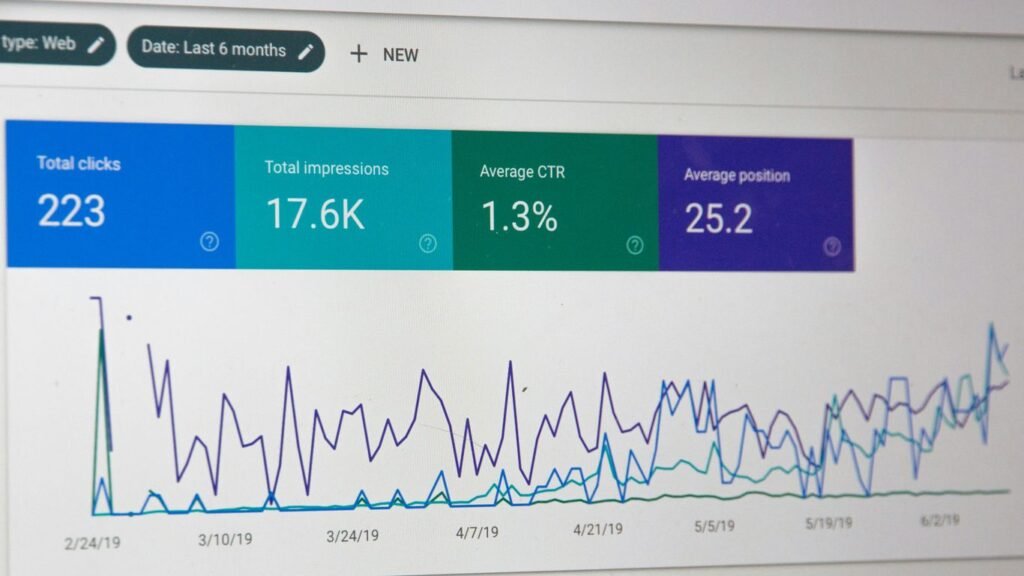
We use tools to keep an eye on these things. It’s like having a dashboard for our entire content strategy. Seeing which pieces are performing well and which ones are falling flat helps us figure out where to focus our energy. It’s an ongoing cycle: create, measure, learn, and repeat.
We’ve found that a lot of businesses treat SEO and content as separate things. They’ll have one team focused on keywords and another on writing. But that’s a mistake. When they work together, and we measure the combined impact, that’s when we see real growth. It’s about making sure our content is not only discoverable but also genuinely helpful and engaging for the people we want to reach.
Navigating Content Marketing Trends to Future-Proof SEO
The digital world changes fast, doesn’t it? What worked last year might not be the best approach today. So, we have to stay on our toes and keep an eye on what’s new and what’s coming.
- User Intent is King: Search engines are getting smarter. They want to know if our content really answers the question someone is asking. So, we constantly revisit our keyword research and make sure our content directly addresses what people are looking for, not just what keywords we want to rank for.
- AI and Content: We’re seeing a lot more AI-generated content out there. While it can be a tool, we believe that human-first content, backed by real insights and a unique voice, will always stand out. We need to make sure our content is original and provides genuine value.
- Topical Authority: Instead of just scattering keywords everywhere, we focus on becoming the go-to resource for specific topics. This means creating clusters of related content that show search engines we know our stuff inside and out.
By keeping these trends in mind and consistently analyzing our performance, we can adjust our strategy to make sure our SEO efforts stay strong for the long haul. It’s not about chasing fads; it’s about adapting intelligently.
It’s important to check how well your marketing efforts are working and make changes if needed. Are you getting the results you want? We can help you figure this out and adjust your plans to get you closer to your goals. Visit our website to learn how we can help you track your success and improve your strategies.
Wrapping It Up
So, we’ve talked a lot about how content marketing and SEO really need to work together if we want to see our websites grow over time. It’s not just about throwing keywords around or writing a bunch of stuff and hoping for the best. We’ve seen that a good content marketing agency can help us make content that people actually want to read and that search engines can easily find. By keeping things consistent, using different types of content, and paying attention to what the data tells us, we can build up our site’s authority and keep bringing in visitors. It’s a marathon, not a sprint, but putting in the work now really pays off down the road.
Frequently Asked Questions
Why should we use content marketing to help our SEO?
Using content marketing for SEO is like planting seeds for a garden that keeps growing. When we create helpful articles, guides, or videos, search engines like Google see that we’re providing good stuff for people. This means they’ll show our website more often when people search for things related to what we do. It’s a way to get more visitors to our site over time without having to pay for ads, and it helps build trust with potential customers.
What's the difference between content marketing and SEO?
Think of SEO as the map and content marketing as the journey. SEO is all about making sure search engines can find and understand our website, using things like keywords and making sure our site is technically sound. Content marketing is about creating the actual interesting and useful stuff – like blog posts or videos – that people want to see. When we do both together, SEO helps people find our great content, and our content gives SEO something valuable to show off.
How do we know if our content marketing is actually helping our SEO?
We track how our website is doing! We look at things like how many people are visiting our site (traffic), where they’re coming from (like Google searches), and if they’re doing what we want them to do, like signing up for a newsletter or buying something. We also check if our website is showing up higher in search results for important keywords. By watching these numbers, we can see what’s working and what needs to be tweaked to get even better results.
Ready to put this into practice for your Singapore business?
The brands that compound results year after year are the ones that integrate paid, organic, and creative work into a single plan. Each channel feeds the next: paid search validates which keywords convert, social media marketing builds the brand recognition that lifts conversion rates, the website becomes the conversion engine, and high-quality creative production keeps the inventory of assets fresh enough to feed all of it. When these channels report into the same dashboard, marketing investments stop competing against each other and start compounding.
A common pattern we see with Singapore SMEs is treating each marketing channel as a separate experiment with a separate timeline. The result is fragmented attribution, duplicated work, and a slower path to ROI. The fix is straightforward but requires discipline: define one customer journey across channels, build one source of truth for performance data, and resource each channel based on what the journey actually needs.
That’s the model we apply for our clients, and it’s the same model the brands ranking on page one of Google for competitive Singapore keywords use to maintain their position. If you’d like to talk through how this could work for your business, get in touch – we’ll start with a clear-eyed look at your current marketing performance and where the biggest compounding opportunities sit.

Natasha Tan is the founder of Digital Marketing Singapore, a full-service SEO and digital marketing agency based in Singapore. With hands-on experience across SEO, paid media, and content strategy, she works directly with Singapore businesses to build organic visibility and generate consistent leads. Natasha specialises in the Singapore market — including local search behaviour, PDPA compliance, and government grant navigation for SMEs.