
Running a marketing campaign is kind of like driving a car. You have a destination in mind, but sometimes you hit traffic or need to take a detour. That’s where optimizing your campaign mid-flight comes in. We can’t just set it and forget it; we need to be ready to make adjustments to keep things moving smoothly and hit our goals. Let’s talk about how we can do that.
Key Takeaways
- We need to know what we’re aiming for with our marketing campaign and keep an eye on the right numbers to see if we’re getting there.
- When we test things in our campaign, we have to make sure the tests are fair and that we’re only changing one thing at a time so we know what worked.
- To see how our marketing campaign is doing, we should look at how it performed before and use key numbers to track progress, using tools to help us see the data clearly.
- Sometimes optimizing a marketing campaign can be tricky. We need to make sure we have enough time, talk clearly with clients about changes, and use the right tools to understand all the data.
- We can make smart changes to our marketing campaign as it’s running by watching what happens and shifting our approach or ad spending to get better results.
Understanding Your Marketing Campaign Metrics
Okay, so we’re running a marketing campaign, and it’s live. What now? We can’t just set it and forget it, right? The first big step is really getting a handle on what’s happening with our numbers. It’s like checking the dashboard on a road trip – you need to know if you’re on track.
Focus on Tangible Objectives
Before we even look at the data, we need to be super clear about what we’re trying to achieve. Are we trying to get more people to buy something? Get more sign-ups? Just get our name out there more? Having a clear, measurable goal is the absolute first thing we need. Without it, all the data in the world won’t tell us if we’re actually succeeding. We’re not aiming for some vague "better performance"; we’re aiming for, say, a 10% increase in sales within the next month.
Know Which Metrics to Use
Once we know our goal, we can pick the right metrics to track. It’s easy to get lost in a sea of numbers, but not all of them are going to be helpful for our specific objective. If we want more sales, we’ll look at things like conversion rates and return on ad spend. If we’re focused on brand awareness, maybe we’ll watch website traffic or social media engagement. Here’s a quick rundown of some common ones:
- Conversions: How many people took the desired action (e.g., made a purchase, filled out a form).
- Click-Through Rate (CTR): What percentage of people who saw our ad actually clicked on it.
- Cost Per Acquisition (CPA): How much it costs us, on average, to get one conversion.
- Return on Ad Spend (ROAS): How much revenue we’re getting back for every dollar we spend on ads.
Monitor Data Regularly
This is where a lot of people drop the ball. We can’t just set up a campaign, check the metrics once a week, and hope for the best. Things change fast online. We need to be looking at our data pretty often – ideally, every couple of days. This lets us catch problems early and jump on opportunities before they disappear. Waiting too long means we might miss out on making a small tweak that could make a big difference.
The key here is consistency. It’s not about being glued to a screen 24/7, but about building a routine for checking in on performance. This regular check-in is what separates campaigns that just run from campaigns that actually win.
Refining Your Marketing Campaign Tests

So, we’ve talked about checking our numbers and knowing what we’re aiming for. Now, let’s get into the nitty-gritty of testing. It’s not enough to just throw ads out there and hope for the best. We need to be smart about how we test things to make sure we’re actually learning something useful.
Ensure Test Validity
First off, we need to make sure our tests are actually telling us the truth. This means we’re looking at internal validity. Did the change we made actually cause the result we’re seeing, or was it something else entirely? Sometimes, weird stuff happens in the background that can mess with our results. We want to set up our tests so that we can be pretty sure the change we made is the reason for the outcome. It’s like trying to figure out if a new fertilizer makes plants grow taller. If you also give them more sunlight at the same time, you won’t know if it was the fertilizer or the sun that did the trick.
Isolate Your Variables
This ties right into test validity. When we’re testing, we need to change only one thing at a time. If we change the headline, the image, and the call to action all at once, and then see a change in performance, how do we know which of those changes made the difference? We don’t! So, we have to be disciplined. Change the headline, run the test. Then, change the image, run another test. This way, we know exactly what’s working and what’s not.
Here’s a quick way to think about it:
- Test A: Original Ad (Control)
- Test B: Original Ad + New Headline
- Test C: Original Ad + New Image
- Test D: Original Ad + New Call to Action
This way, we can see the impact of each individual change.
Allow Time for Test Completion
Finally, we can’t just run a test for a day and expect solid answers. Things take time to shake out. Sometimes, people see an ad and don’t click right away; they might come back later. Or maybe a certain day of the week performs better than others. We need to give our tests enough time to gather enough data so that the results are reliable. A few days is usually a good starting point, but depending on your campaign and audience, it might need longer. Don’t pull the plug on a test too early just because you’re impatient.
We’ve seen campaigns where people thought a test failed, only to find out later that it just needed a bit more time to show its true potential. Patience really is a virtue when it comes to testing.
Tracking Marketing Campaign Progress Effectively
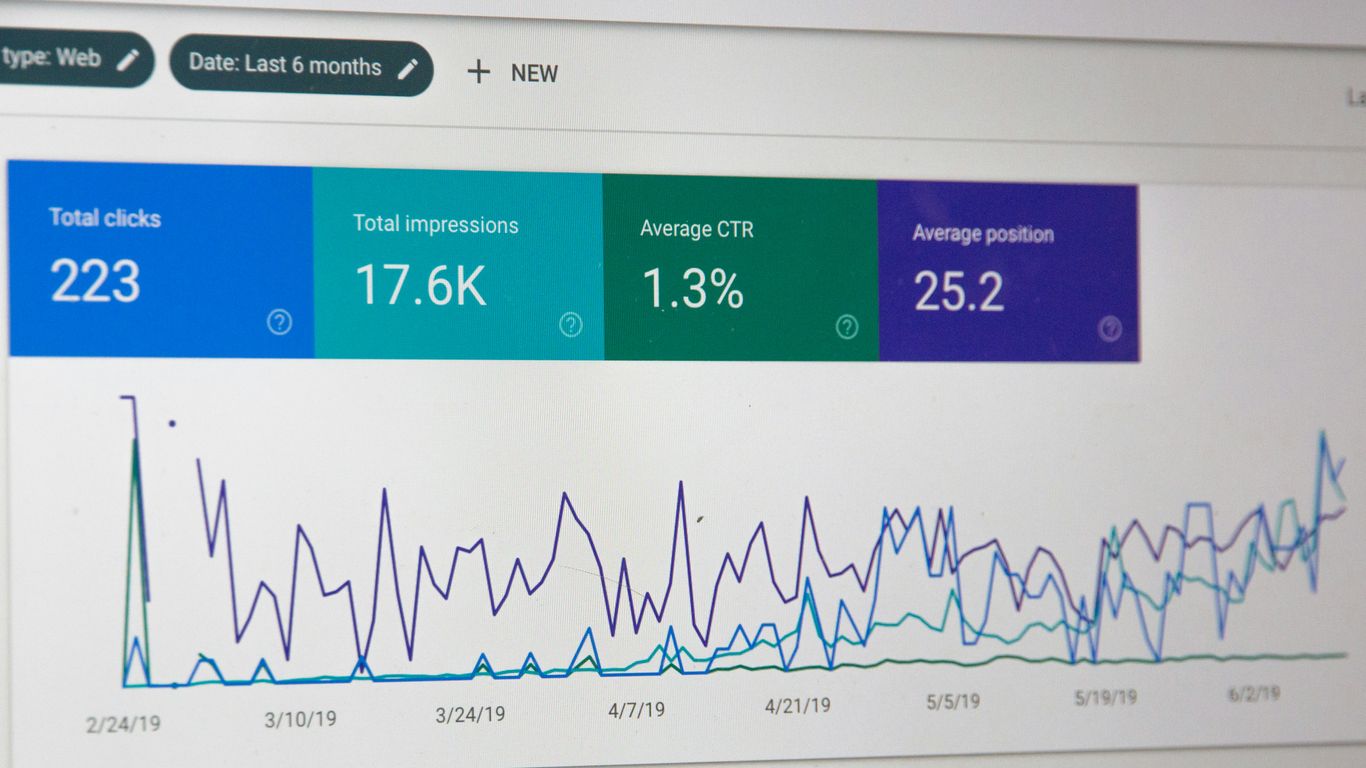
So, we’ve set up our campaign, and now we need to see how it’s actually doing. It’s not enough to just launch and forget about it. We need to keep an eye on things to make sure we’re on the right track. Think of it like driving – you wouldn’t just put the pedal to the metal and never look at the speedometer or the road, right? Same idea here.
Establish a Baseline for Comparison
Before we can even tell if our campaign is doing well, we need to know what ‘well’ looks like. This means setting up a baseline. Basically, we look at how things were performing before we made any changes or launched this specific campaign. This gives us a starting point. If we don’t have this, how can we possibly know if our new ads or strategies are actually making things better?
- Record past performance data: This is your starting point. What were your conversion rates, click-through rates, or engagement levels before?
- Use original ads as a control: If you’re testing new ad copy or visuals, keep the old ones running alongside the new ones for a bit. This way, you can directly compare and see what’s working.
- Document everything: Make notes about what was happening during that baseline period. Any big events, seasonal changes, or other factors that might have influenced the numbers?
Utilize Key Performance Indicators
Now, what exactly are we looking at? We can’t just stare at a wall of numbers. We need to focus on the metrics that actually matter for our goals. These are our Key Performance Indicators, or KPIs. Picking the right ones is super important.
Here are some common ones we keep an eye on:
- Conversions: Did people actually do what we wanted them to do (buy something, sign up, etc.)?
- Click-Through Rate (CTR): How many people saw our ad and clicked on it?
- Return on Ad Spend (ROAS): Are we making more money than we’re spending on ads?
- Engagement Rate: For social media or content, are people interacting with it (likes, shares, comments)?
- Website Traffic: Are more people visiting our site because of the campaign?
We need to be smart about which metrics we track. Focusing on vanity metrics, like just getting a ton of impressions but no actual results, is a waste of time and money. We want to see numbers that directly tie back to our business objectives.
Leverage Reporting Software
Manually tracking all these numbers would be a nightmare. Luckily, we have tools for this! Reporting software is our best friend when it comes to keeping tabs on campaign progress. These platforms pull data from all over the place and present it in a way that’s easy to understand.
Some popular ones we use include:
- Google Analytics: Great for website traffic and user behavior.
- Platform-Specific Dashboards: Facebook Ads Manager, Google Ads, etc., give you data directly from where your ads are running.
- Third-Party Tools: Software like Tableau or even specialized marketing analytics platforms can combine data from multiple sources for a bigger picture.
By regularly checking these reports, we can spot trends, identify what’s working, and see where we might need to make some adjustments. It’s all about staying informed so we can act fast.
Overcoming Marketing Campaign Optimization Challenges
Okay, so we all know that tweaking marketing campaigns while they’re running can feel like a bit of a juggling act. It’s not always straightforward, and sometimes it feels like you’re just throwing spaghetti at the wall to see what sticks. But honestly, it doesn’t have to be this stressful. The biggest hurdles we often run into are finding the time to actually do the optimizing, making sure we’re all on the same page with clients, and just generally making sense of all the data we’re swimming in.
Allocate Time for Optimization
Let’s be real, carving out dedicated time for optimization can be tough. We get swamped with setting up new campaigns, creating content, and all the other day-to-day stuff. But here’s the thing: if we don’t set aside even a few hours each week to check in on our campaigns, analyze what’s working (and what’s not), and make some smart adjustments, we’re basically leaving money on the table. It’s about being proactive, not just reactive. Think of it like this:
- Schedule it: Block out time in your calendar specifically for campaign review and optimization. Treat it like any other important meeting.
- Prioritize: Focus on the campaigns that have the biggest impact or are underperforming significantly.
- Be consistent: Regular check-ins, even short ones, are way more effective than one long, infrequent session.
Communicate Transparently with Clients
This one’s a biggie, especially if we’re working with clients. Sometimes, explaining why we’re shifting strategy mid-campaign can be tricky. Clients want to see results, and they might get nervous if they see us changing things up. The key here is transparency. We need to clearly explain what we’re seeing in the data, why we think a change is necessary, and what we expect the outcome to be. Having solid data to back up our recommendations makes all the difference. It builds trust and shows them we’re actively working to make their campaigns successful.
We’ve found that using simple, visual reports that highlight the key changes and their projected impact really helps clients understand the optimization process. It’s not about random tweaks; it’s about informed decisions based on performance.
Navigate Data with the Right Tools
Honestly, most of us aren’t data scientists. We’re marketers. Trying to sift through mountains of raw data can be overwhelming and, frankly, a waste of time if we don’t know what we’re looking for. This is where using the right tools comes in handy. Software designed for campaign management and reporting can take all that complex data and boil it down into easy-to-understand insights. These tools can help us spot trends, identify what’s driving performance, and make quicker, more informed decisions without needing a degree in statistics. It’s about working smarter, not harder, with the information we have.
Making In-Flight Adjustments to Your Marketing Campaign
So, your campaign is live. Awesome! But what happens now? It’s not just about setting it and forgetting it. We’ve got to keep an eye on things and be ready to tweak.
Respond in Real Time
Think of your campaign like a live event. You wouldn’t just walk away from a stage mid-performance, right? We need to be watching what’s happening now. Are people clicking? Are they buying? Or are they just scrolling past?
- Check in frequently: Don’t wait for the end of the week. A quick look every day or two can catch small issues before they become big problems.
- Spot the trends: Is a particular ad creative getting way more attention? Is one audience segment totally ignoring you?
- Act fast: If something’s clearly not working, don’t be afraid to pause it. If something is working, figure out how to do more of it.
Shift Strategy Mid-Flight
Sometimes, what looked like a great plan on paper just doesn’t pan out in the real world. That’s okay. We can change direction.
It’s not a sign of failure if we need to adjust our approach. It’s a sign that we’re paying attention and are smart enough to adapt when the data tells us to.
This might mean:
- Reallocating budget: If one channel or ad set is crushing it, maybe it deserves more money. If another is a dud, let’s pull back.
- Tweaking messaging: Maybe the words we used aren’t landing right. We can try a different angle or a simpler message.
- Adjusting targeting: Are we reaching the right people? If not, we might need to refine our audience settings.
Make the Most of Your Ad Spend
Every dollar we spend needs to work as hard as possible. Making these mid-flight adjustments is how we make sure that happens.
Imagine you’re running ads for a new product. You start with a few different images and headlines.
| Ad Variant | Clicks | Conversions | Cost Per Conversion |
|---|---|---|---|
| Ad A (Image 1, Headline 1) | 500 | 10 | $50 |
| Ad B (Image 2, Headline 1) | 350 | 5 | $70 |
| Ad C (Image 1, Headline 2) | 480 | 12 | $45 |
Looking at this, Ad C is clearly doing the best job of getting people to convert for less money. We’d want to shift more budget towards Ad C and maybe pause Ad B. This kind of quick thinking helps us get better results without waiting for the campaign to end.
Leveraging Data for Smarter Marketing Campaigns
We all want our marketing campaigns to work, right? And the best way we’ve found to make that happen, especially when things are moving fast, is to really lean into the data. It’s not just about looking at numbers; it’s about understanding what they’re telling us so we can make smarter choices.
Use Purchase Insights for Optimization
This is a big one for us. We’ve seen that using actual purchase data is a game-changer. It tells us who is actually buying, what they’re buying, and when. This isn’t just guesswork anymore. We can take these insights and directly apply them to our campaigns. Think about it: if we know a certain group of people buys a specific product, we can show them ads for that product. It sounds simple, but the impact is huge.
- Eighty-two percent of CPG marketers use purchase data to optimize their digital ads. That’s a lot of people who know this is where the real wins are.
- We can even adjust bids in real-time based on this buyer data. This means our ad spend is going towards people who are most likely to convert, not just people who might see an ad.
Activate Privacy-Safe Strategies
Now, we know privacy is super important, and it’s only going to get more so. The good news is, we can still use data effectively while respecting people’s privacy. We work with a lot of different platforms and publishers, and we’re always looking for ways to use data in a way that’s future-proof. This means we’re not relying on old methods that might not be around for long. It’s about being smart and responsible with the information we have.
We’re constantly adapting our approach to stay ahead of privacy changes. It’s not about collecting more data, but about using the data we have more intelligently and ethically to reach the right people without compromising their trust.
Optimize Bids with Buyer Data
This ties back to using purchase insights, but it’s worth highlighting on its own. When we can optimize our bids using real buyer data, we see a much better return on our ad spend. It’s like having a secret weapon. Instead of just bidding blindly, we’re bidding with confidence because we know we’re targeting people who have a history of buying what we’re selling.
Here’s a quick look at how this can play out:
| Tactic | Impact |
|---|---|
| Real-time Bid Adjustments | Shift bids up for high-intent buyers, down for low-intent ones. |
| Audience Refinement | Focus ad delivery on segments with a proven purchase history. |
| Media Mix Optimization | Allocate budget to channels where buyers are most likely to convert. |
Ultimately, using buyer data to optimize our bids means we’re making every ad dollar work harder for us. It’s about being precise and efficient, which is exactly what we need in today’s marketing world.
Using information to make your marketing efforts better can really boost your success. When you understand what your customers like and how they act, you can create ads and messages that hit the mark. This means less wasted money and more happy customers. Want to learn how to use data to make your marketing shine? Visit our website today to find out more!
So, What's the Takeaway?
Alright, so we’ve talked a lot about tweaking campaigns while they’re running. It might sound like a lot, but honestly, it’s just about paying attention. Think of it like driving – you don’t just set the GPS and zone out. You check the map, maybe adjust your route if there’s traffic, and keep an eye on the road. That’s pretty much what we’re doing with our marketing. By looking at the numbers regularly and being ready to make small changes, we can stop wasting money and actually get better results. It’s not about chasing perfection overnight; it’s about making steady progress and learning as we go. So, don’t be afraid to jump in, check your data, and make those little adjustments. It really does make a difference.
Frequently Asked Questions
Why should we keep an eye on our campaign numbers while it's running?
It’s super important to watch how our ads are doing even after we launch them. Think of it like checking the score during a game. We need to see what’s working and what’s not so we can make smart changes, just like a coach would. This helps us make sure our ads are reaching the right people and not wasting our money.
What kind of numbers should we be looking at?
We should focus on the numbers that tell us if we’re hitting our main goals. For example, if we want more people to buy something, we’ll look at how many actually buy it (conversions). If we want more people to see our ad, we’ll check how many people clicked on it. It’s all about picking the right clues to guide us.
How often do we need to check these numbers?
We shouldn’t wait too long! Checking our campaign stats every few days is a good idea. It’s like taking the temperature of our campaign regularly. This way, we can catch any problems early and make quick fixes before they become big issues.
What if we want to try out a new idea for our ad?
When we test new ideas, we need to be sure we’re testing just one thing at a time. If we change the picture and the words all at once, we won’t know which change made a difference. We also need to give the test enough time to show us real results, not just a fluke.
How do we know if our changes are actually helping?
Before we start making changes, we need to know how our campaign was doing before. This is our starting point, or ‘baseline.’ By comparing the old numbers to the new ones after we make a change, we can see if we’re actually getting better. Using special tools can help us see these comparisons clearly.
What are some common problems when trying to make our ads better?
Sometimes, it’s hard to find the time to make these checks and changes. Other times, it can be tricky to explain to others why we’re changing things and show them the proof. Also, looking at all the data can be confusing! Using helpful tools and talking clearly with everyone involved makes these challenges much easier to handle.
Explore our related services: Digital Marketing Services | Google Ads Singapore | Social Media Advertising
Campaign optimisation works best when supported by strong SEO — ensuring your digital marketing and social media investments compound over time.

Natasha Tan is the founder of Digital Marketing Singapore, a full-service SEO and digital marketing agency based in Singapore. With hands-on experience across SEO, paid media, and content strategy, she works directly with Singapore businesses to build organic visibility and generate consistent leads. Natasha specialises in the Singapore market — including local search behaviour, PDPA compliance, and government grant navigation for SMEs.