
So, you’re looking to get your website noticed in Singapore, huh? We get it. Standing out online these days feels like trying to find a quiet spot at a hawker centre during lunch rush. That’s why we’ve put together some thoughts on the Best SEO Singapore strategies that actually work for the long haul. Forget quick fixes; we’re talking about building something solid that keeps bringing people to your site, month after month. Let’s break down how we can make that happen.
Key Takeaways
- Building links from reputable sites is a big deal for making your website look trustworthy to search engines.
- Finding the right words people actually type into Google is the first step to getting found.
- Making your page titles catchy and relevant helps people click on your site when they see it in search results.
- Creating great content that people want to read and that links to other useful pages on your site keeps visitors engaged.
- Keeping your website running smoothly, fast, and easy to use on any device is just as important as the content itself.
High-Quality Backlink Generation
Okay, so let’s talk about backlinks. We all know they’re a pretty big deal for getting our websites noticed by Google, right? It’s like getting a vote of confidence from another website. But not all votes are created equal. We’re not just chasing any link; we’re after the good ones – the ones from sites that people actually trust and visit. Think of it like getting a recommendation from a friend who really knows their stuff, versus a random stranger shouting on the street.
Building these quality links takes time and effort, it’s not a quick fix. It’s about creating content so good that other websites want to link to it. This could be through original research, super helpful guides, or unique data that others find useful. We focus on earning these links naturally, rather than buying them or using shady tactics. The goal is to build a strong, trustworthy network of links that signals to Google that our site is a reliable source of information.
Here’s a bit of what goes into it:
- Finding the right opportunities: We look for websites in our niche that have an audience we want to reach and a good reputation.
- Creating link-worthy content: This means making stuff that’s genuinely interesting, informative, or useful. If it’s not good, why would anyone link to it?
- Outreach: Sometimes, we need to let other site owners know about our great content. This isn’t spammy; it’s about making a connection and showing them why a link would benefit their readers too.
- Guest blogging: Writing articles for other reputable sites in our industry can also earn us a link back to our own site.
We’re always aiming for links from established, relevant websites. This helps boost our site’s credibility and visibility in a way that lasts.
Keyword Research & Ranking
Alright, let’s talk about finding the right words people are actually typing into Google. This is where we figure out what your potential customers are looking for, so we can make sure your website shows up when they search. It’s not just about picking popular terms; we need to understand why someone is searching for them.
Think of it like this:
- Identify what people are searching for: We use tools to see what search terms are related to your business. This isn’t just about big, broad terms, but also more specific phrases, sometimes called long-tail keywords. For example, instead of just "shoes," we might look for "waterproof hiking boots Singapore."
- Understand their intent: Are they looking to buy something right now? Are they just trying to learn about a topic? Knowing this helps us create content that actually helps them.
- See what’s already working: We check out what other websites are doing that ranks well for these terms. This gives us ideas and helps us find gaps we can fill.
The goal here is to find keywords that have a good balance of being searched for often and not being ridiculously hard to rank for.
We’re not just guessing. We’re looking at data to make smart choices about which keywords will bring the right kind of visitors to your site. It’s about being found by people who are actually interested in what you offer, not just anyone.
We need to be smart about this. Picking the wrong keywords means we’re shouting into the void. The right ones? They’re like a direct line to potential customers who are ready to engage.
Title Tag Optimisation
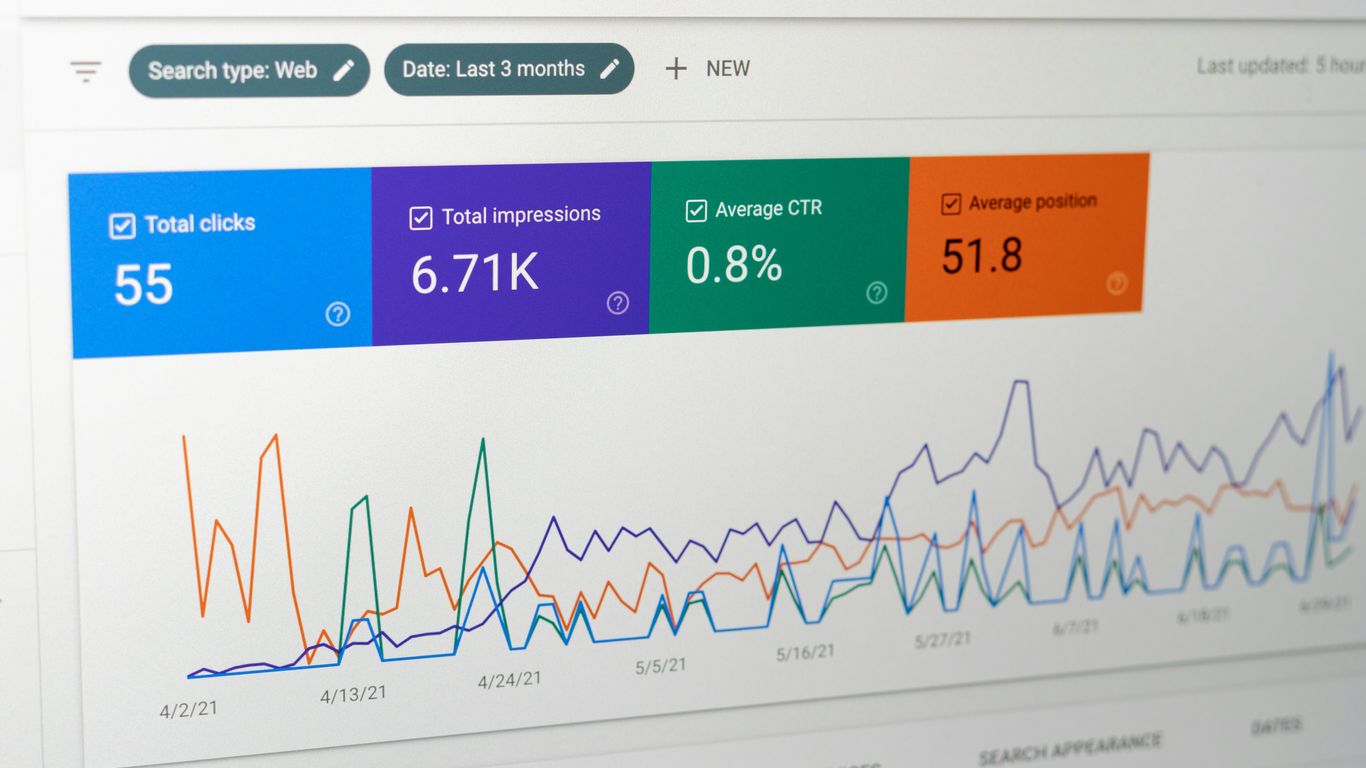
Okay, let’s talk about title tags. These are super important, like the first impression your page makes on Google. When someone searches for something, the title tag is what they see right at the top of the search results. Getting this right can seriously make or break whether someone clicks on your link.
Think of it like this: you’re walking down a busy street, and you see a bunch of shop signs. Which ones do you stop and look at? Probably the ones that are clear, interesting, and tell you exactly what’s inside, right? Your title tag needs to do the same thing for search engines and potential visitors.
So, what makes a good title tag? We usually aim for a few things:
- Include your main keyword: This is the word or phrase people are actually searching for. Put it near the beginning if you can.
- Keep it concise: Google usually shows about 50-60 characters. If it’s too long, it’ll get cut off, and you’ll miss out on telling people what your page is about.
- Make it compelling: Use words that make people want to click. Think about what problem your page solves or what benefit it offers.
- Be accurate: Don’t trick people into clicking with a misleading title. That just leads to them bouncing back to the search results, which Google notices.
For example, instead of a boring title like "SEO Services", we might go for something like "Best SEO Singapore: Boost Your Rankings & Traffic". See the difference? It’s more specific, includes the location, and promises a benefit.
We’ve found that spending a little extra time crafting these titles can really move the needle on click-through rates. It’s a small change that often has a big impact on getting more eyes on your content.
It’s not just about stuffing keywords in there, though. You want it to sound natural and make sense to a human. We often test different versions to see which ones perform best. It’s a bit of an art and a science, really.
SEO-Friendly URLs
Okay, let’s talk about URLs. You know, those web addresses at the top of your browser? They might seem like a small detail, but they actually play a part in how well your site does in search results. We want them to be clean and easy to understand, both for people and for search engines like Google.
Think about it: if you see a URL like www.example.com/page?id=123&cat=45, it doesn’t tell you much, right? But if it’s something like www.example.com/singapore-web-design-services, you immediately get a better idea of what that page is about. That’s the kind of clarity we’re aiming for.
Here’s why we bother with making our URLs SEO-friendly:
- Helps Google Understand: Shorter, keyword-rich URLs give search engines a clearer signal about the page’s topic. This can help them index your page correctly.
- Improves User Experience: People are more likely to click on a link if they know what to expect. A descriptive URL builds trust before they even land on the page.
- Easier Sharing: When people share your links on social media or in emails, a readable URL looks more professional and trustworthy.
So, what makes a good URL? We try to keep them:
- Short and Sweet: Get straight to the point. Avoid long strings of numbers or random characters.
- Keyword-Informed: Include relevant keywords that describe the page content. If it’s about Singapore SEO services, use those words.
- Hyphen-Separated: Use hyphens (-) to separate words, not underscores (_) or spaces.
- Lowercase: Stick to lowercase letters to avoid any potential issues with duplicate content.
We’re basically trying to make our URLs as descriptive and straightforward as possible. It’s a simple step, but it adds up when you’re trying to get your site noticed.
Internal Linking Strategy
Alright, let’s talk about internal linking. This is something we do a lot, and it’s super important for keeping people on your site and helping search engines understand what your content is all about. Basically, it’s about connecting your own pages together with links.
Think of it like building a map for your website. When you link from one of your blog posts to another relevant post, or from a service page to a related guide, you’re telling Google, "Hey, these pages are related!" This helps spread the ‘authority’ of your pages around your site. Plus, it makes it way easier for visitors to find more information they might be looking for, keeping them engaged longer.
Here’s how we approach it:
- Link from strong pages to weaker ones: If you have a really popular page, use it to link to newer or less-visited pages that are related. This passes on some of that page’s ‘juice’.
- Use descriptive anchor text: Instead of just saying "click here," use words that actually describe what the linked page is about. For example, link the words "SEO Singapore strategies" to your main SEO services page.
- Connect related content: If you write a blog post about keyword research, link it to your post about on-page optimization. It just makes sense, right?
- Don’t overdo it: Stuffing too many links can look spammy and actually hurt your user experience. We aim for natural, helpful links.
The goal is to create a logical flow that guides both users and search engine bots through your site.
We often see sites where pages are just sitting there, not connected to anything. It’s like having a great book with no table of contents or index. People get lost, and search engines don’t know how important those pages are. Making these connections is a simple but powerful way to boost your site’s overall SEO health.
SEO Blog Content Strategy & Creation
So, you want to get your website noticed long-term? We think a solid blog is a big part of that. It’s not just about throwing up random posts; we need a plan. Our approach is to create content that sticks around – we call it evergreen content. This means it stays relevant and useful for a long time, not just for a few weeks.
First off, we do our homework. We dig into what people are actually searching for. Finding the right keywords is like finding the treasure map for your audience. We use tools to see what terms are popular and, more importantly, what people mean when they type them into Google. This helps us make sure every blog post we write is something your potential customers are looking for.
Here’s a peek at how we map out our content:
- Topic Brainstorming: We look at your business and what your customers care about. What problems can you solve? What questions do they have?
- Keyword Integration: We take those brainstormed ideas and match them with our keyword research. We’re looking for terms that have decent search volume but aren’t impossible to rank for.
- Content Outline: Before writing a word, we create a clear structure for the post. This makes sure we cover all the important points logically.
- Writing & Editing: Then comes the actual writing. We aim for clear, helpful language that’s easy to read. We want people to find the answers they need and stick around.
- Optimization: We weave those keywords naturally into the text, headings, and other spots where they make sense. It’s about making it easy for Google to understand what the post is about without sounding robotic.
We believe that good content should do more than just rank. It should also help people make a decision or learn something new. That’s the sweet spot where SEO and actual business results meet.
Think of it like this:
| Content Type | Goal |
|---|---|
| How-To Guides | Solve specific problems, show expertise |
| Industry News | Keep readers updated, show relevance |
| Case Studies | Demonstrate success, build trust |
| Product/Service Deep Dives | Explain features, highlight benefits |
Creating this kind of content takes time and effort, but it’s what builds authority and keeps people coming back. It’s the foundation for those long-term rankings we’re aiming for.
Ongoing Blog Optimisation
So, we’ve put all this effort into creating awesome blog posts, right? That’s great, but it’s not a ‘set it and forget it’ kind of deal. The internet moves fast, and what worked last year might not be cutting it today. We need to keep an eye on our existing content and give it a little refresh now and then.
Think of it like tending a garden. You plant the seeds (your blog posts), but you still need to water them, pull out weeds, and maybe add some fertilizer to keep them growing strong. For us, that means checking in on our older posts to see how they’re performing. Are they still showing up in search results for the right terms? Are people actually clicking on them?
Here’s what we usually do:
- Update Meta Tags: Sometimes, just tweaking the title tag or meta description can make a big difference in getting more clicks. We might add a new statistic or a more compelling call to action.
- Add New Insights: If a topic has evolved since we first wrote about it, we’ll add new information, examples, or even a section discussing recent developments. This keeps the content fresh and relevant.
- Check for Broken Links: Nothing kills a user’s experience faster than hitting a dead link. We regularly scan our posts to make sure all internal and external links are still working.
- Improve Readability: We might rephrase sentences, break up long paragraphs, or add bullet points to make the content easier to digest.
The goal here is to make sure our content stays competitive and continues to serve our audience well. It’s about keeping our search rankings from slipping and making sure we’re still seen as a go-to resource. It might seem like extra work, but honestly, it pays off in the long run by keeping our traffic steady and our authority high.
Technical SEO & Website Maintenance
Okay, so we’ve talked about content and keywords, but what about the nuts and bolts of your website? That’s where technical SEO and regular maintenance come in. Think of it like keeping your car running smoothly – you wouldn’t just ignore strange noises or warning lights, right? Your website needs the same attention.
This is all about making sure search engines can easily find, understand, and rank your site. If Google can’t crawl your pages or if your site is super slow, all the great content in the world won’t matter much. We need to fix those broken links that lead nowhere, speed up your loading times (nobody likes waiting!), and make sure your site looks good and works perfectly on phones and tablets. It’s not the most glamorous part of SEO, but honestly, it’s super important for long-term success.
Here are some of the key things we look at:
- Site Speed: How fast does your website load? Slow sites frustrate users and hurt rankings. We check image sizes, code efficiency, and server response times.
- Mobile-Friendliness: With most people browsing on their phones, your site has to work well on smaller screens. We test responsiveness and user experience across devices.
- Crawlability & Indexability: Can search engine bots actually get to and understand your pages? We check your sitemaps, robots.txt file, and site structure.
- Security (HTTPS): Is your site secure? Having an HTTPS connection is a ranking factor and builds trust with visitors.
- Structured Data: This helps search engines understand the context of your content, potentially leading to rich snippets in search results.
We also keep an eye on things like duplicate content issues and broken internal links. These might seem small, but they can really add up and cause problems down the line if left unchecked. Regular checks and fixes are just part of the deal for keeping your site in top shape.
It’s not a one-and-done thing, either. Websites need ongoing care. We do regular checks to catch any new issues that pop up and make sure everything is running as smoothly as possible. This behind-the-scenes work is what keeps your site healthy and ready to rank.
On-Page SEO
Alright, let’s talk about on-page SEO. This is basically everything we can do on our website to make it more visible to search engines and, more importantly, to the people actually looking for what we offer. Think of it as tidying up your shop so customers can find what they need easily.
We’re talking about making sure our content is spot-on. This means using the right keywords naturally within our text, making sure our headings are clear and helpful, and that our pages load quickly. It’s about creating content that answers questions and solves problems for our visitors. If someone searches for "best durian delivery Singapore," we want our page to be the one that clearly explains why we’re the best, not just stuff the word "durian" everywhere.
Here’s a quick rundown of what we focus on:
- Content Quality: Is it useful? Does it answer the user’s question completely?
- Keyword Integration: Are we using relevant terms that people actually search for, without sounding like a robot?
- Readability: Is it easy for people to read and understand? Short sentences, clear paragraphs, that sort of thing.
- Page Structure: Using headings (H1, H2, H3) to organize information makes it easier for both users and search engines to follow.
We want our pages to be so good that people don’t want to leave. When visitors stick around, click on other links, and generally have a good time on our site, search engines notice. It’s a big signal that we’re providing real value.
It’s not just about stuffing keywords, though. Search engines are pretty smart these days. They want to see that we’re genuinely helping people. So, creating helpful, well-written content that’s easy to find and understand is the name of the game here. We also look at things like image alt text – basically, describing images for search engines and for people who can’t see them. Every little bit helps make our pages more accessible and discoverable.
Off-Site SEO
Alright, so we’ve talked a lot about what goes on your website, but what about everything happening off it? That’s where off-site SEO comes in, and honestly, it’s a pretty big deal for your long-term success.
Think of it like building your reputation in the real world. You wouldn’t just stay in your house and expect people to know you’re awesome, right? You’d go out, meet people, maybe join a club, and get your name out there. Off-site SEO is kind of the same for your website. It’s all about actions you take outside of your own site to make it look good to search engines and, more importantly, to people.
So, what does this actually look like? Mostly, it boils down to a few key things:
- Getting Links from Other Sites (Backlinks): This is probably the most talked-about part. When another reputable website links to yours, it’s like a vote of confidence. Search engines see this and think, "Hey, this site must be pretty good if others are pointing to it!" We’re not just talking about any links, though. We want links from sites that are relevant to what you do and have their own good reputation. Spammy links from random sites can actually hurt you.
- Building Brand Mentions: Even if a mention doesn’t include a direct link, it can still help. When people talk about your brand online, it signals to search engines that you’re a recognized entity.
- Social Signals: While not a direct ranking factor, having an active presence on social media can drive traffic to your site and increase brand awareness. People see your content, share it, and that can lead them back to your website.
- Local Citations (if applicable): For businesses with a physical location, getting listed in online directories like Google Maps, Yelp, and other local business listings is super important. Consistency in your Name, Address, and Phone number (NAP) across these platforms is key.
The goal here is to build authority and trust. Search engines want to send their users to websites that are reliable and well-regarded. By actively working on your off-site signals, you’re essentially telling the world (and Google) that your site is a trustworthy source of information or services.
It’s a marathon, not a sprint. Building a strong off-site presence takes time and consistent effort, but the payoff in terms of sustained rankings and organic traffic is absolutely worth it.
Off-site SEO is all about making your website popular and trusted by others. Think of it like getting good reviews for a restaurant; the more people talk about it positively, the more customers it attracts. We help build your site’s reputation across the web. Want to boost your online presence? Visit our website today to learn how we can help!
Wrapping It Up
So, there you have it. Getting your website to rank well in Singapore for the long haul isn’t some magic trick. It takes consistent effort, smart planning, and a willingness to keep up with how things change online. We’ve talked about building great content, making sure your site works well for visitors and search engines alike, and getting other sites to link to you. It’s a marathon, not a sprint, but the payoff – steady traffic and more customers finding you – is totally worth it. Keep at it, stay informed, and you’ll see the difference.
Frequently Asked Questions
How long does it usually take for SEO strategies to show results in Singapore?
We typically start seeing some improvements in rankings within about three to six months. Significant growth in traffic usually happens between six months to a year. Keep in mind, Singapore’s market is super competitive, so it can take a bit longer for some industries, like healthcare or finance. But for other businesses, especially in niche areas, we might see results even faster.
What makes your SEO approach different from other agencies in Singapore?
We’re really focused on using new tech, like optimizing for AI search engines, not just Google. We also use our own special tools to track things that other agencies can’t, giving us unique insights. Plus, we look at optimizing your presence across lots of different platforms, not just the usual search engines.
How much does SEO service cost in Singapore?
Our services start at around $1,500 a month for smaller businesses. For growing companies, our most popular package is about $5,000 a month, and for larger businesses, it’s $10,000 or more. We’re upfront about our pricing, so you’ll know exactly what you’re getting and what to expect.
Is SEO better than Google Ads for businesses in Singapore in the long run?
For long-term success and value, yes, SEO is usually better. Google Ads can get you seen right away, but you have to keep paying for it. SEO builds up over time, like an asset, and can bring in more and more traffic without costing more. We often suggest a mix of both, using ads for quick wins while SEO builds a strong foundation.
Can you guarantee that my website will be on the first page of Google?
No honest SEO expert can promise you the number one spot. Google’s system is always changing, and there are hundreds of things that affect rankings. Our goal is to use the best, ethical methods to get you the highest possible ranking and the most relevant traffic.
What if I've tried SEO before and it didn't work out?
We hear this a lot! Sometimes, agencies focus only on rankings and not on actual sales, or they use risky methods that get websites penalized. Other times, the strategies just aren’t right for the Singapore market. We tackle this by focusing on keywords that bring in money, using safe methods, customizing our approach for Singapore, and being totally open about our progress.
Explore our related services: SEO Services | On-Page SEO | Off-Page SEO | Keyword Research
Complement your SEO investment with our SEM, digital marketing, and social media marketing services for full-funnel growth.

Natasha Tan is the founder of Digital Marketing Singapore, a full-service SEO and digital marketing agency based in Singapore. With hands-on experience across SEO, paid media, and content strategy, she works directly with Singapore businesses to build organic visibility and generate consistent leads. Natasha specialises in the Singapore market — including local search behaviour, PDPA compliance, and government grant navigation for SMEs.