
We’ve all seen marketing campaigns that just stick with us, right? Sometimes it’s because they’re super creative, other times it’s because they actually make us want to buy something. We’ve been looking into some of the best marketing campaign examples out there that didn’t just get noticed, but actually made a difference to the bottom line. It’s fascinating to see how different brands approach this, from big names we all know to some smaller ones doing really smart things. Let’s check out some that really nailed it.
Key Takeaways
- Loyalty programs, like those from McDonald’s and Sephora, are goldmines for driving repeat business and increasing how much people spend each time they shop. They really get customers coming back.
- Purpose-driven marketing, think Dove’s campaign about real beauty, can actually connect with people on a deeper level, leading to lots of positive buzz and measurable results, not just good feelings.
- Smart campaigns use what people are already doing, like scrolling TikTok or engaging with influencers, to get their message out in a way that feels natural and drives real action, not just clicks.
1. McDonald’s MyMcDonald’s Rewards
Okay, so let’s talk about McDonald’s and their MyMcDonald’s Rewards program. Honestly, it feels like they really figured out how to get people hooked. Instead of those old-school punch cards that you always lose, they went all-in on a mobile app. And it seems to be working big time.
We’ve seen them hit some pretty wild numbers. By the end of 2021, they already had over 21 million members in the US alone. And get this: in 2022, the McDonald’s app got downloaded 40 million times in the US. That’s more than the next three fast-food apps combined! It’s clear they’re doing something right to keep people coming back.
What’s the secret sauce? It seems to be a mix of things. They make it super easy to earn points with every single order, which is key. Plus, they offer up personalized deals, so it feels like you’re getting something special. They also added gamified elements, like different tiers and rewards for hitting certain milestones. It makes the whole experience feel more like a game than just a transaction.
The real win here is how they’ve turned a loyalty program into a measurable performance driver. It’s not just about giving out free fries; it’s about getting people to use the app more, visit more often, and spend a bit more each time they do.
Here’s a quick look at some of the impact:
- Massive Member Growth: Surpassed 21 million US members by late 2021, with 40 million US app downloads in 2022.
- Increased Visit Frequency: Users earn points with every order, encouraging repeat visits.
- Personalized Offers: Exclusive deals make customers feel valued and drive engagement.
- Global Reach: Reached 170 million active loyalty users globally by Q4 2024, with loyalty-driven sales up 30% year-over-year.
2. Burger King’s Whopper Detour
Okay, so Burger King really went for it with their Whopper Detour campaign. Remember this one? It was pretty wild. They basically said, ‘Hey, if you’re within 600 feet of a McDonald’s, you can get a Whopper for just a penny.’ The whole point was to get people to download the Burger King app, because you had to order through it to get that sweet, sweet dollar Whopper deal.
It was a super clever way to use geofencing to drive app downloads and orders. Instead of just hoping people would check out their app, they created this urgent, almost cheeky, reason to do it right then and there. It turned a competitor’s location into a trigger for their own promotion.
Here’s how it basically worked:
- The Offer: A Whopper for $0.01.
- The Catch: You had to be physically near a McDonald’s.
- The Action: Download the Burger King app and place your order.
This campaign was a huge success. It wasn’t just about selling a few cheap burgers; it was about getting people into their digital ecosystem. Once you had the app for that penny Whopper, you were more likely to stick around for other deals and loyalty perks. It really showed how you can use physical location to boost digital engagement and sales.
This whole idea of using competitor proximity as a marketing tool was pretty bold. It definitely got people talking and, more importantly, got them using the Burger King app. It’s a great example of how a little bit of competitive spirit can lead to some really smart marketing moves that actually pay off.
3. Dove’s #TurnYourBack
We all know Dove has been big on promoting real beauty for ages, right? Well, they really doubled down on that with their #TurnYourBack campaign. It felt super timely, especially with all the filters and AI stuff that makes people look, well, not like themselves online.
Basically, Dove asked people to literally turn their backs on these unrealistic beauty standards. It was a pretty simple idea, but it really hit home for a lot of folks. The campaign got people talking and sharing their own experiences, which is exactly what Dove wanted. It wasn’t just about selling products; it was about making a statement.
Here’s what made it work so well for us:
- Tapped into a real issue: It addressed the mental health side of social media filters and how they mess with our heads.
- Easy to join in: The call to action was clear and visual, making it super easy for anyone to participate and create their own content.
- Teamwork makes the dream work: They combined paid ads, their own channels, and what other people were saying to get the message out there as far as possible.
This campaign showed that brands can actually stand for something and still get great results. It wasn’t just a feel-good thing; it drove real engagement and made people think differently about beauty.
It wasn’t just about getting views, though that happened too – we saw millions of video views and tons of people interacting with the posts. It also won some big awards, which is always a good sign that the message landed right. It proved that when a brand has a clear message and makes it easy for people to get involved, good things happen.
4. Duolingo’s TikTok
Okay, so Duolingo totally nailed it on TikTok, and honestly, it feels like they just let their owl mascot, Duo, run wild. It wasn’t about slick, produced ads; it was more like they jumped headfirst into what makes TikTok tick – memes, trends, and just being a bit weird. They figured out that if you make content that feels like it belongs on the platform, people actually pay attention.
Their in-house team was super quick, constantly trying out new ideas. They didn’t wait around; they just posted and saw what stuck. This rapid-fire approach meant they could jump on trends as they happened, making Duo the Owl a recognizable, funny character that everyone started following. It turned a language app into a genuine internet personality.
Here’s what we think made it work so well:
- Character Power: Duo the Owl is the star. He’s got personality, he’s funny, and he’s everywhere. People connect with characters, and Duo is definitely memorable.
- Platform Native: They didn’t just slap their logo on existing content. They made videos that looked and felt like they were made by TikTok users, for TikTok users.
- Humor and Edge: Their tone is super self-aware and often a little cheeky. This kind of humor really connects with younger audiences who are tired of overly corporate marketing.
It’s pretty wild how much this strategy paid off. They saw some serious growth, not just in views but in actual app downloads. It shows that being authentic and having fun can really drive results.
They basically turned their social media into a performance channel, not just a place to post updates. It’s a smart way to get people to not only know your brand but to actually download and use your app.
| Metric | Result |
|---|---|
| Follower Growth | +1,400% |
| Video Views | 90 million+ |
| CTR vs. TikTok Benchmark | +39% |
5. Sephora Beauty Insider
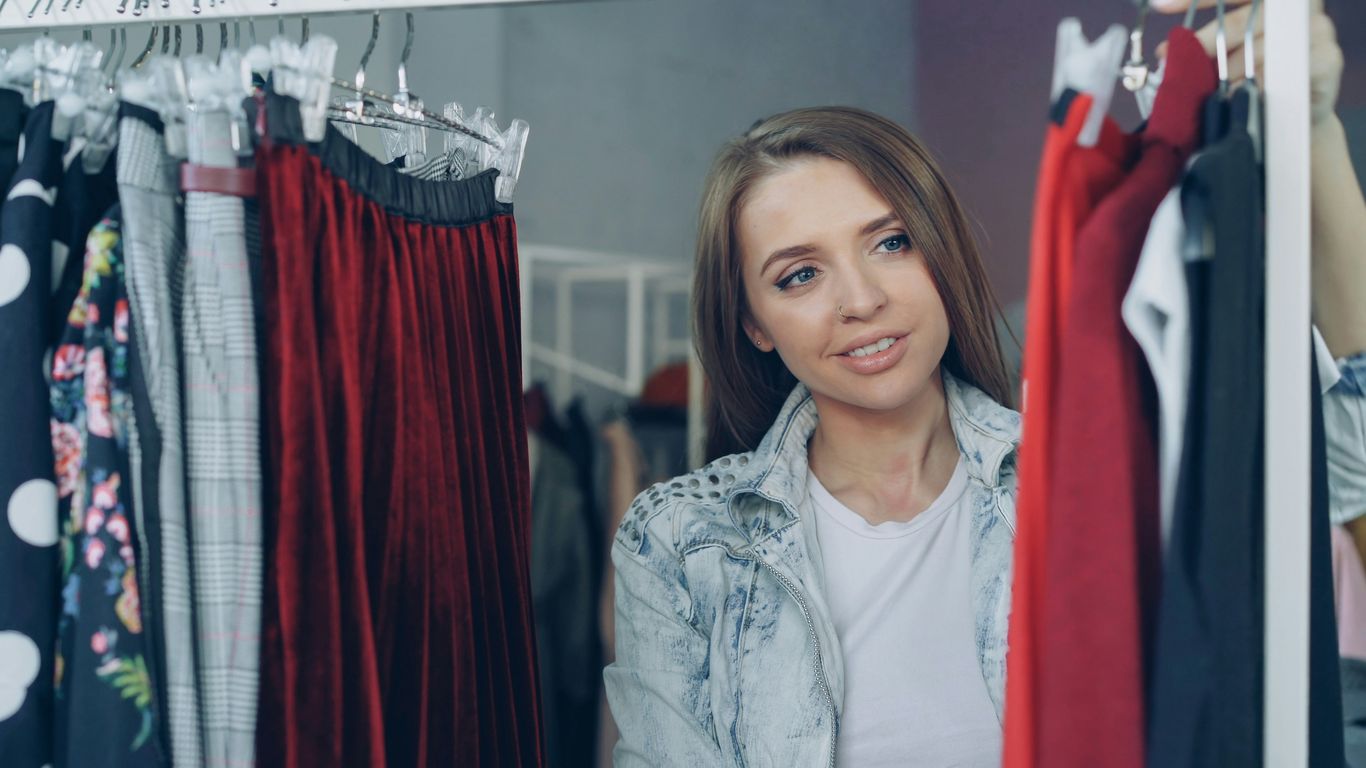
Okay, let’s talk about Sephora’s Beauty Insider program. Honestly, it’s kind of the gold standard for loyalty programs in the beauty world, and for good reason. We’ve seen how it really drives people to stick around and spend more, which is exactly what any brand wants, right? It’s pretty wild to think that with millions of members, this program is responsible for about 80% of Sephora’s sales in North America. That’s a huge chunk!
What makes it work so well is that it’s not just a basic points system. They have these tiers – Insider, VIB, and Rouge. Moving up feels like an accomplishment, and each level gets you cooler stuff, like early access to new products or special events. It makes you want to spend more to reach that next level. Plus, they’re really good at making things personal. Using our purchase history and what we browse, they send tailored offers and birthday gifts that actually feel relevant. It’s like they know what we want before we do.
Here’s a quick look at how impressive it is:
| Metric | Value |
|---|---|
| Total Members | 34–40 million |
| % of North American Sales | ~80% |
| Member Spend vs. Non-Members | 2x higher |
The real magic is how they connect everything. You can earn and use points whether you’re on the app, the website, or in the store. It’s all pretty smooth, which makes a big difference. They also do these limited-time reward drops that get everyone excited and rushing to the store or online. It definitely makes us want to come back more often.
6. Nike’s Just Do It
Okay, so let’s talk about Nike’s "Just Do It" campaign. Honestly, it’s one of those things that’s been around forever, and for good reason. It’s not just about selling shoes or athletic gear; it’s about a whole mindset. We’ve all seen the ads, right? They feature all sorts of athletes, from the superstars we all know to everyday folks pushing their limits. The message is simple but powerful: stop making excuses and just go for it.
This campaign really hit its stride back in 1988, and it’s stuck around because it taps into something universal. It’s about overcoming challenges, whether that’s running a marathon, hitting a new personal best at the gym, or even just getting off the couch. It’s that little push we all need sometimes.
What makes it so effective, in our opinion, is how it connects with people on an emotional level. It’s not just about the product; it’s about the feeling of accomplishment and the drive to be better. They’ve managed to build this incredible brand loyalty by consistently reinforcing this idea of empowerment.
Here’s what we think makes it a winner:
- Inspiration for everyone: It doesn’t matter if you’re a pro athlete or just starting out; the message applies to you.
- Focus on the journey: It highlights the effort, the struggle, and the eventual triumph.
- Timeless appeal: The core message of perseverance is something that never goes out of style.
Nike figured out early on that marketing wasn’t just about showing off a product. It was about selling a dream, an aspiration, a way of life. And
7. Apple’s 1984
Okay, so let’s talk about Apple’s "1984" ad. We all know it, right? It aired during the Super Bowl and basically announced that Apple was here to shake things up. It wasn’t just an ad; it felt like a movie trailer for a revolution.
The whole point was to position Apple as the challenger to the established giant, IBM, which was seen as this monolithic, controlling force. The ad itself showed a woman running through a crowd of grey, zombie-like people, throwing a hammer at a giant screen showing a Big Brother-esque figure. It was intense and super symbolic.
What made it so effective for driving ROI, even back then? Well, it created massive buzz. People talked about it for ages. It wasn’t about selling a specific product feature; it was about selling an idea – freedom, innovation, and breaking the mold. This kind of brand building, even without direct sales numbers attached to the ad itself, built incredible brand loyalty and perception that paid off for years.
Here’s a quick look at why it was such a big deal:
- Disruptive Messaging: It directly challenged the status quo in the tech world.
- Symbolic Storytelling: The visuals were powerful and stuck with viewers.
- Creating a Movement: It made people feel like they were part of something bigger than just buying a computer.
- Massive Earned Media: Everyone was talking about it, which is advertising gold.
This ad wasn’t just about selling computers; it was about selling a vision of the future where technology served individuals, not the other way around. It tapped into a feeling many people had about big corporations and offered Apple as the alternative.
8. William Painter YouTube
So, William Painter, a company selling sunglasses online, had a bit of a challenge. People are used to, you know, actually trying on sunglasses before they buy them, right? They needed a way to show off how good their shades were and how they looked on everyone, all without needing a physical store.
They decided to give YouTube a shot, figuring the platform was good for telling stories. They started out filming with their phones, which is pretty cool, and tried out a bunch of different video ideas. Turns out, humor was the way to go. One of their videos totally blew up, racking up over 65 million views and still going. That’s how the brand really took off.
It’s wild to think that just by using YouTube and making people laugh, they saw some serious results:
- A 1,500% jump in website visitors.
- A 1,300% increase in people actually buying stuff.
- Their revenue went up 13 times compared to the year before.
They proved that you don’t always need a fancy setup or a brick-and-mortar store to make a big splash. Sometimes, a funny video filmed on a phone is all it takes to connect with people and get them to click that ‘buy’ button. It’s a great example of how a creative approach on the right platform can lead to amazing growth.
9. Bombas Instagram Stories
So, we’ve been looking at how different brands nail their marketing, and Bombas really caught our eye with their Instagram Stories game, especially around the holidays. They’re the sock company that also does good, you know? Anyway, they wanted to boost their holiday gift sales, which makes total sense. Instead of just throwing money at ads, they got smart and used video ads right in Instagram Stories.
They didn’t just wing it, though. They took ideas from their best-performing slideshows and tweaked them to fit how people actually use Instagram Stories. It’s all about making content that feels native to the platform, not just something slapped on there.
And the results? Pretty darn good, actually. They saw a 46% higher return on ad spend compared to what they usually get. Plus, their cost per acquisition dropped by 34%, and their conversion rate was 2.4 times higher. That’s some serious ROI from just playing around with a specific format on social media.
It shows that sometimes, focusing on a particular channel and really understanding how to use its features can make a huge difference. It’s not always about being everywhere; it’s about being effective where it counts.
Here’s a quick look at what they achieved:
- 46% higher ROAS
- 34% lower CPA
- 2.4x higher conversion rate
It’s a solid reminder that even with something as common as Instagram Stories, there’s always room to innovate and see some impressive returns.
10. Shipt Facebook Ads
We’ve seen a lot of brands try to get noticed on Facebook, and Shipt, the grocery delivery service, really nailed it with their holiday campaign. They weren’t just throwing ads out there; they were testing new formats and creative ideas to see what actually worked.
Their goal was pretty straightforward: get people thinking about Shipt, considering it for their needs, and ultimately signing up, especially during the busy holiday season. They used Facebook’s ability to reach people at different stages of their buying journey, from just hearing about Shipt to being ready to subscribe.
What’s cool is how they measured success. It wasn’t just about getting clicks. They looked at:
- A 9.9x return on ad spend (ROAS), meaning for every dollar they spent, they got almost ten dollars back.
- A 20% jump in leads for new account sign-ups.
- A noticeable lift in people saying they were more likely to purchase.
- A 7.4% increase in actual completed registrations.
They really showed how a well-planned Facebook campaign can hit multiple goals at once, from making people aware of your service to getting them to commit to a subscription. It’s about being smart with your ad spend and understanding where your audience is.
Plus, they found that their Facebook ads were way more efficient at reaching women aged 25-54 compared to TV ads. That’s a big deal when you’re trying to make every advertising dollar count.
Want to make your ads on Facebook work harder for your business, just like Shipt does? We can help you create ads that grab attention and bring in customers. Ready to see your sales grow? Visit our website today to learn how we can boost your online success!
So, What's the Takeaway?
Alright, so we’ve looked at a bunch of campaigns, right? From McDonald’s getting people hooked on their app to Burger King playing mind games with geofencing, and even Dove reminding us to be real. It’s pretty clear that just throwing ads out there isn’t enough anymore. The brands that are really winning are the ones that know exactly what’s working, and they’re not afraid to prove it. They’re using data, making things personal, and honestly, just being smart about how they connect with us. It’s all about making sure that when we spend our money or our time, it actually means something for them, and usually, that means something good for us too. So, if you’re trying to make your own marketing efforts count, remember this: focus on what actually drives people to buy and stick around, not just what looks good on paper.
Frequently Asked Questions
What makes a marketing campaign really successful?
A great marketing campaign grabs people’s attention and gets them to take action, like signing up, buying, or sharing with friends. The best ones, like McDonald’s MyMcDonald’s Rewards or Nike’s Just Do It, make it easy for people to join in and feel like they’re part of something cool. They also use simple messages and meet people where they already hang out, like on their phones or social media.
How do loyalty programs help brands make more money?
Loyalty programs, like Sephora Beauty Insider or McDonald’s MyMcDonald’s Rewards, encourage people to keep coming back by giving them points, special deals, or fun rewards. This means customers shop more often and spend more each time. Brands see bigger sales and more people using their apps because everyone loves getting something extra for being a loyal fan.
Why do purpose-driven campaigns, like Dove’s #TurnYourBack, work so well?
Purpose-driven campaigns connect with people by standing up for something important, like real beauty or positive change. When a brand shows it cares about more than just selling products, people pay attention and want to support it. Dove’s #TurnYourBack got millions of views and lots of positive comments because it felt real and made people feel good about the brand.
As a full-service digital marketing agency in Singapore, we specialise in SEO, Google Ads, social media marketing, content marketing, website design, and video production. Reach out to our team to discover how we can accelerate your online growth.