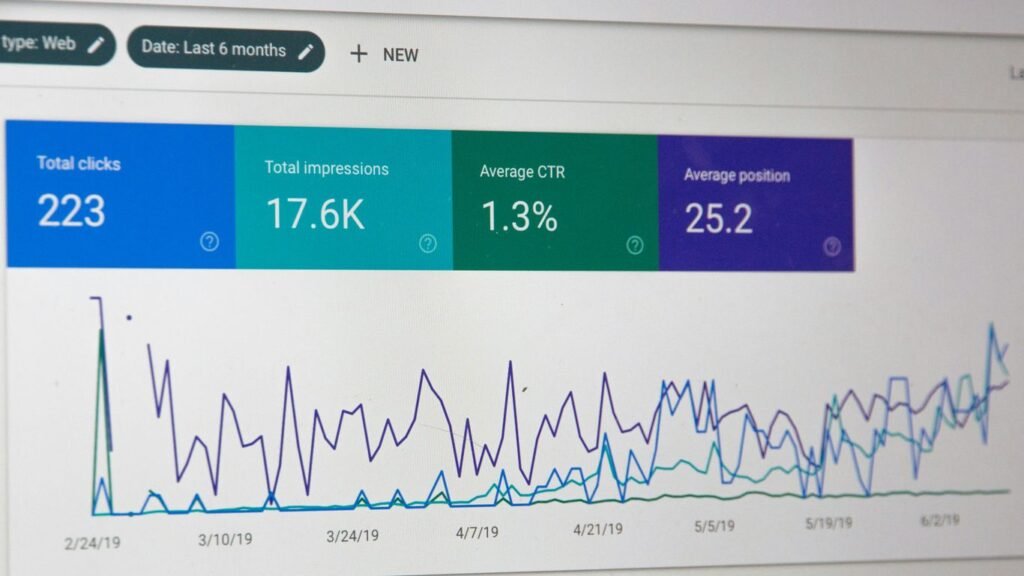
We’ve been digging into what really works for getting found online in Singapore, and guess what? It’s not just about stuffing keywords everywhere. Based on what we’ve seen with our clients, there’s a whole lot more to it. We’re talking about making sure your site works great on phones, speaking the local languages, and actually being helpful to people right here in Singapore. Let’s break down some of the best SEO Singapore tactics we’ve learned.
Key Takeaways
- Focusing on keywords that people actually use in Singapore, especially those looking for local services or products, is super important. Think about what someone would type into Google if they needed something right now in their neighborhood.
- Making your website work perfectly on mobile phones is a must. So many people in Singapore search on their phones, so if your site is clunky or slow on a small screen, you’re losing out.
- Don’t forget about Google Business Profile. Keeping it updated with accurate info, good photos, and responding to reviews can make a huge difference in local search results.
1. Local Keyword Optimization

When we talk about SEO in Singapore, we can’t skip over local keyword optimization. It’s basically about making sure your business pops up when people nearby are searching for what you offer. Think about it: if you need a "cafe near me" or "plumber in Jurong," you’re probably not looking for businesses across the island, right? We’ve seen this time and again with our clients – focusing on these hyper-local terms makes a huge difference.
So, how do we actually do this? It starts with understanding what people in Singapore are typing into Google. We dig into search terms that include specific neighborhoods, MRT stations, or even just "near me." It’s not just about stuffing keywords in; it’s about matching the language people actually use. We’ve found that incorporating conversational phrases and questions that locals ask can really boost visibility.
Here’s a quick look at how we approach keyword research for local clients:
- Identify Geo-Specific Terms: We look for keywords tied to specific areas like "Chinatown hawker food" or "East Coast Park cycling."
- Include "Near Me" and Intent-Based Phrases: People often search with intent, so we target phrases like "best tailor near me" or "emergency electrician Tampines."
- Analyze Competitor Keywords: We check what local keywords our clients’ competitors are ranking for to find opportunities.
- Consider Local Events and Trends: Sometimes, keywords spike around local festivals or events, and we try to capitalize on that.
The goal is to be the answer when someone in your immediate vicinity has a need.
We often see a significant jump in local traffic when we nail this down. For instance, a client selling artisanal bread saw a 40% increase in foot traffic after we optimized their site for terms like "bakery in Tiong Bahru" and "sourdough bread delivery Queenstown."
It’s easy to get lost in the big picture of SEO, but for many businesses, especially those with a physical location, focusing on local search is where the real wins are. It’s about connecting with the customers who are most likely to walk through your door or pick up the phone right now.
2. Multilingual Content Strategy
Singapore’s a melting pot, right? We’ve got so many languages spoken here, and if we’re not talking to people in their own language, we’re missing out. Seriously, ignoring this is like leaving money on the table.
Think about it: if you’re looking for something, you’re way more likely to click on a result that’s in your native tongue. It just feels more trustworthy and easier to understand. So, for us, creating content in English, Mandarin, Malay, and Tamil isn’t just a nice-to-have; it’s pretty much a must-do if we want to connect with everyone.
Here’s how we approach it:
- Translate, Don’t Just Auto-Translate: Those free online translators? They’re okay for a quick gist, but for SEO, they’re a disaster waiting to happen. We always use actual human translators who get the cultural nuances. It makes a huge difference.
- Use
hreflangTags: These little bits of code tell Google which language version of a page is for which user. It stops us from showing the wrong language to the wrong person, which is super important. - Localize Everything: It’s not just about translating words. We tweak images, examples, and even calls to action to fit what makes sense for each language group. For instance, a promotion for Chinese New Year needs to feel authentic to that audience.
- Target Local Keywords: We dig into what people are actually searching for in each language. This means looking beyond just direct translations and finding those conversational phrases that locals use every day.
We’ve seen that when we put in the effort to create content that truly speaks to different language groups in Singapore, engagement goes way up. People stick around longer, and they’re more likely to take action because they feel understood.
We also make sure our URLs are set up nicely, maybe something like ourwebsite.com/zh-sg/ for Mandarin or ourwebsite.com/ta-sg/ for Tamil. It just makes things cleaner for both users and search engines. It’s a bit more work upfront, but the payoff in reaching more people and building that trust is totally worth it.
3. Mobile-First Website Design

Okay, so we all know most people in Singapore are glued to their phones, right? It’s not even a surprise anymore. Because of this, Google has started looking at the mobile version of your website first when deciding where to rank you. This means if your site isn’t playing nice on a phone, you’re already behind.
We’ve seen this time and again with our clients. Websites that look great on a desktop but are a nightmare to use on a small screen? They just don’t perform well. We’re talking tiny text, buttons you can’t even tap, and pages that take forever to load because they’re trying to shove a desktop experience onto a mobile device.
So, what’s the fix? It’s all about mobile-first design. This isn’t just about making your site look okay on a phone; it’s about building it with the mobile experience as the top priority from the get-go. Think simple navigation, clear calls to action, and content that’s easy to read without zooming in.
Here’s a quick rundown of what we focus on:
- Responsive Design: Your website should automatically adjust its layout to fit whatever screen size it’s being viewed on. No more horizontal scrolling!
- Mobile Navigation: Make it super easy for people to find what they need. Big, tappable buttons and clear menus are key. Avoid those annoying pop-ups that cover the whole screen.
- Page Speed: Mobile users are impatient. If your pages don’t load quickly, they’re gone. We constantly check and optimize loading times.
We often use tools like Google’s Mobile-Friendly Test to see how our clients’ sites stack up. It gives us a clear picture of where we need to make improvements. Honestly, if your website isn’t built with mobile users in mind first, you’re missing out on a huge chunk of potential customers here in Singapore.
Building a website that works perfectly on a phone isn’t just a nice-to-have anymore; it’s a must-have for anyone serious about SEO in Singapore. We’ve seen clients jump up in rankings simply by fixing their mobile experience.
4. Google Business Profile Enhancement
Okay, so let’s talk about your Google Business Profile, or GBP as we often call it. Honestly, it’s like your digital storefront on Google, and if you’re not keeping it spick and span, you’re missing out. We’ve seen with our clients that just setting it up and then forgetting about it is a huge missed opportunity. Think about it: if your opening hours are wrong, or your map pin is a bit off, or you haven’t added any new photos in ages, how can people trust you? Google notices this stuff too.
We really need to treat our GBP like it’s our most important local SEO tool, because, frankly, it is. It’s the first thing people often see when they search for businesses like ours nearby. So, what should we be doing?
- Keep Information Accurate and Up-to-Date: This means your business name, address, phone number (NAP), and especially your opening hours. If you change them, update them everywhere, immediately. No one likes showing up to a closed shop.
- Add Lots of Great Photos and Videos: People want to see what you offer. High-quality images of your products, services, your team, or even your location can make a big difference. It makes your listing feel more real and inviting.
- Encourage and Respond to Reviews: This is massive. Ask your happy customers to leave a review on your Google profile. And please, please, please, respond to them! Thank people for positive feedback and address any negative comments professionally and constructively. It shows you care and are listening.
- Use the Posts Feature: Google allows you to create posts directly on your profile. Use these to share updates, special offers, new products, or upcoming events. It keeps your profile active and gives people a reason to check back.
We’ve seen clients get a significant bump in local visibility just by being diligent with their GBP. It’s not rocket science, but it does require consistent effort. Don’t fall into the trap of thinking it’s a ‘set it and forget it’ kind of thing. It’s a living, breathing part of your online presence.
Trying to game the system with fake reviews is a terrible idea. Google is pretty smart about spotting these, and the penalties can be severe, like getting your listing suspended. Plus, customers can usually tell, and that erodes trust way faster than anything else. Focus on earning genuine feedback instead.
5. On-Page Technical Improvements
Alright, let’s talk about the nitty-gritty of making our websites work better for search engines and, more importantly, for people. We’re talking about on-page technical improvements here. It’s not the most glamorous part of SEO, but honestly, it’s super important. Think of it like making sure your house has a solid foundation and all the plumbing works before you start decorating.
First off, website speed. We’ve all clicked on a link and then just stared at a blank screen, right? It’s frustrating. For Singapore, where everyone’s on their phones, a slow site is a death sentence. We need pages to load fast. This means optimising images so they’re not huge files, minifying our code (that’s like tidying up the code so it’s leaner), and using things like caching and a Content Delivery Network (CDN) to make sure content gets to users quickly, no matter where they are.
Here’s a quick rundown of what we focus on:
- Page Load Speed: Aiming for quick load times, especially on mobile. Google even has these things called Core Web Vitals that measure user experience, and speed is a big part of that.
- Mobile-Friendliness: With so many people using phones, your site has to look and work great on smaller screens. Responsive design is key here.
- Site Structure & URLs: Making sure our website is organised logically helps both users and search engines find their way around. Short, clear URLs with keywords are better than long, confusing ones.
- HTTPS Security: This is a no-brainer now. Having a secure site (the little padlock in the browser) builds trust and is a ranking factor.
We also pay attention to things like proper heading structures (H1s, H2s, H3s) to organise content, making sure our internal links are helpful and not just random, and that all our images have descriptive alt text. It’s all about making it easy for search engines to understand what our pages are about and easy for people to use our site. Getting these technical bits right makes everything else we do in SEO much more effective.
Sometimes, small technical glitches can really hold back even the best content. It’s like having a great article but with typos on every page – it just looks unprofessional and is hard to read.
We also make sure our XML sitemaps are up-to-date and that our robots.txt file is set up correctly. This helps search engines crawl our site efficiently and know which pages are important. And, of course, we keep an eye on broken links and 404 errors – nobody likes landing on a page that doesn’t exist!
6. High-Quality Local Content
Okay, so we’ve talked about a bunch of technical stuff, but let’s get real for a second. What actually keeps people on your site and makes them think, ‘Yeah, these guys get it’? It’s good content, specifically content that speaks directly to people here in Singapore.
Think about it. If you’re looking for the best prata place or trying to figure out how to get a permit for something, you want information that’s actually relevant to your life, not some generic advice that could apply anywhere. That’s where creating high-quality, local content really shines.
We’ve seen it time and again with our clients. When they start writing about things that matter to Singaporeans – like the latest hawker centre reviews, tips for navigating the CPF system, or even just what’s happening during the Great Singapore Sale – their traffic goes up. People stick around longer, they click on more links, and search engines notice.
Here’s a quick breakdown of what we mean by ‘local content’:
- Hyper-local topics: Think about neighbourhood guides, reviews of specific malls or parks, or even how-to guides for local services.
- Cultural relevance: Content that touches on Singaporean traditions, holidays, or current events really connects with people.
- Addressing local pain points: What are the common problems or questions people in Singapore have? Solve those with your content.
- Using local language/slang (sparingly): A little bit of Singlish can go a long way in making your content feel authentic, but don’t overdo it.
We also found that creating evergreen content – stuff that stays relevant for a long time, like a guide to HDB renovation or understanding your electricity bill – is super effective. Just make sure you update it now and then so it doesn’t get stale. It’s like having a reliable friend who always has the right answers.
The key is to put yourself in your Singaporean customer’s shoes. What are they searching for? What problems are they trying to solve? When you create content that directly answers those questions and speaks to their local experience, you build trust and authority. It’s not just about keywords; it’s about being genuinely helpful and relevant to the people you want to reach right here.
So, don’t just write generic stuff. Get specific, get local, and watch your audience engage.
7. Structured Data Implementation
Okay, so we’ve talked a lot about content and keywords, but how do we make sure search engines really understand what our pages are about? That’s where structured data comes in. Think of it like giving search engines a cheat sheet for your website.
Basically, structured data, often called schema markup, is a way to add extra code to your website that tells search engines specific details about your content. Instead of just seeing a block of text about a recipe, schema markup can tell Google that this is a recipe, list the ingredients, the cooking time, and even the nutritional info. This helps search engines display your content more effectively in search results, sometimes even in special ways like rich snippets or answer boxes.
Why is this so important for us in Singapore? Well, search engines are getting smarter, and they’re trying to give users direct answers without them even needing to click. By using structured data, we can help our content get picked up for these direct answers, which means more visibility even if it’s a zero-click search.
Here’s what we usually focus on:
- Local Business Schema: This is a big one for us. It helps search engines understand your business name, address, phone number, opening hours, and even what services you offer. It’s super important for local SEO.
- Product Schema: If you sell things, this tells search engines about your products, including price, availability, and reviews. This can lead to product listings showing up directly in search.
- Article Schema: For blog posts and articles, this helps search engines understand the title, author, and publication date, making them eligible for things like the
8. Local Link Building
Okay, so we’ve talked a lot about what you can do on your website, but what about getting other sites to point to yours? That’s where local link building comes in, and it’s a pretty big deal for Singapore businesses.
Think of it like getting a recommendation. When a reputable local website links to your business, it tells Google (and potential customers) that you’re a trusted part of the community. We’ve found that focusing on quality over just grabbing any link makes a huge difference. It’s not about having a hundred links from random places; it’s about having a few really good ones from sites that matter in Singapore.
Here’s how we approach it:
- Partner with Complementary Local Businesses: Find businesses in Singapore that offer services or products that go well with yours, but don’t directly compete. For example, a wedding planner might team up with a florist or a venue. You can then cross-promote each other, maybe co-host a small event, or even write guest posts for each other’s blogs. This often leads to natural backlinks.
- Sponsor Local Events or Charities: Getting involved in community events, even with a small sponsorship, can put your name out there. Often, the event’s website will list sponsors, and that’s a direct link back to you. Plus, it’s good for your local reputation.
- Get Listed in Reputable Local Directories: Beyond just the big ones, look for niche directories specific to your industry in Singapore. If you’re a restaurant, get listed on food review sites. If you’re a hotel, look for travel directories. Just make sure your business name, address, and phone number (NAP) are consistent everywhere.
- Engage with Local Media and Bloggers: If you have something newsworthy – a new product, a special event, or a unique story – reach out to local Singaporean news outlets or popular local bloggers. A mention or a feature can often come with a link back to your site.
Building local links isn’t just about pleasing search engines; it’s about becoming a recognized and trusted entity within your local Singaporean market. It shows people and algorithms alike that you’re invested in the community and that other local players vouch for you.
We’ve seen clients get a significant boost in local search rankings just by actively pursuing these kinds of relevant, local backlinks. It takes time and effort, but the payoff in terms of visibility and trust is definitely worth it.
9. User Experience Upgrades
Okay, so we’ve talked a lot about keywords and technical stuff, but let’s get real for a second. If your website is a pain to use, nobody’s going to stick around, no matter how perfectly optimized it is. We’ve seen this time and again with our clients here in Singapore – a clunky website means people bounce, and that’s bad for SEO. Making your site easy and enjoyable to use is just as important as anything else.
Think about it from your own perspective. When you land on a page that takes forever to load, or you can’t find the button you need, what do you do? You probably hit the back button and try somewhere else. Google notices this, and it signals that your page isn’t a great answer for the searcher.
Here’s what we focus on to make things better for visitors:
- Speed it up: Nobody likes waiting. We look at things like how fast your pages load, especially on mobile. Tools like Google PageSpeed Insights help us find where the slowdowns are.
- Make it mobile-friendly: Seriously, most people are on their phones. We make sure your site looks good and works perfectly on any screen size. No tiny text or buttons you can’t tap!
- Easy to get around: Is your navigation clear? Can people find what they’re looking for without getting lost? We map out the user journey to spot any confusing parts.
- Keep them engaged: We look at things like how long people stay on your site (dwell time) and if they click away immediately (bounce rate). If these numbers are off, it tells us we need to improve the content or how it’s presented.
We’ve found that focusing on these user experience upgrades doesn’t just make visitors happier; it directly impacts how well we rank. When people spend more time on your site and interact with it positively, Google sees that as a good sign. It’s all about making the visitor’s journey as smooth as possible.
For example, we recently worked with a local e-commerce client. Their site was technically sound but a bit confusing to navigate. After we streamlined the checkout process and improved the mobile layout, their bounce rate dropped by 15%, and their conversion rate went up by 10% within a month. That’s the power of good UX!
10. Performance Monitoring and Analytics
So, we’ve put in the work, right? We’ve tweaked keywords, spruced up our content, and made sure our site is looking sharp on phones. But how do we know if any of it is actually working? That’s where keeping an eye on our performance and digging into the data comes in. It’s not just about looking at numbers; it’s about understanding what they’re telling us about our clients and their customers.
We need to track a few key things to see what’s hitting the mark and what’s falling flat. Think of it like checking the dashboard on a car – you need to know your speed, fuel level, and if that check engine light is on.
Here are some of the main things we look at:
- Organic Traffic: How many people are finding us through search engines, and which pages are they landing on? This tells us which content is attracting attention.
- Keyword Rankings: Are we showing up when people search for the terms we’re targeting? We keep a close watch on where we stand for important keywords.
- Click-Through Rate (CTR): When our links show up in search results, are people actually clicking them? A good CTR means our titles and descriptions are grabbing attention.
- Bounce Rate & Dwell Time: If people click away immediately (high bounce rate) or don’t stick around long (low dwell time), it usually means something’s off – maybe the content isn’t what they expected, or the site is hard to use.
- Conversion Rate: This is a big one. Are the visitors we’re getting actually doing what we want them to do, like filling out a form or making a purchase? We focus on conversions that come from organic search.
We also keep tabs on things like how many new backlinks we’re getting and if they’re from reputable places. Quality links really help build up a site’s authority.
The real magic happens when we stop just collecting data and start using it. We look for patterns, see what’s working best for specific client goals, and then adjust our game plan. It’s a constant cycle of checking, learning, and tweaking.
For example, if we see a particular page is getting a lot of traffic but people are leaving quickly, we know we need to revisit that content or the user experience on that page. Or, if a certain set of keywords is bringing in tons of clicks but no conversions, we might need to rethink our targeting or the content on those pages. It’s all about making smart, data-backed decisions to keep improving.
We usually do a good check-in monthly to catch any immediate trends and then a bigger review quarterly to make sure we’re on track with our longer-term goals. This way, we’re not just guessing; we’re actively steering our SEO efforts based on what the data shows us.
Keeping an eye on how your marketing efforts are doing is super important. We help you track what’s working and what’s not, so you can make smart choices. Want to see how we can boost your results? Visit our website to learn more!
So, What's the Takeaway?
Alright, so we’ve gone through a bunch of stuff about making your website show up better in Singapore. It’s clear that just throwing keywords around isn’t enough anymore. We’ve seen how important it is to really get what people in Singapore are looking for, whether that’s on their phones or when they’re searching for something specific nearby. Plus, remembering that Singapore is a mix of cultures means we need to think about different languages and what feels right to people here. It’s a lot, we know, but by keeping these real-world tactics in mind and always checking what the data tells us, we can actually make a difference and get noticed online. It’s about being smart, staying relevant, and putting in the work consistently.
Frequently Asked Questions
Why is localizing our keywords so important for SEO in Singapore?
Think about it: when people in Singapore search for something, they often want it nearby. Like searching for ‘food courts near me’ or ‘best cafes in Tanjong Pagar’. If our website uses keywords that match exactly what they’re typing, especially with local place names or ‘near me’ phrases, search engines like Google will show our site to those local searchers. It’s like putting up a sign right where people are looking for what we offer!
How does having content in different languages help our SEO?
Singapore is a melting pot of cultures, right? Lots of people speak English, Malay, Mandarin, and Tamil. If we only create content in one language, we’re missing out on talking to a huge chunk of potential customers. By having content in those main languages, we can connect better with more people, making our website more useful and relevant to a wider audience. This helps us show up in more searches!
What's the deal with mobile-first design and why does it matter for SEO?
Honestly, most people in Singapore use their phones for everything, including searching online. If our website looks clunky or is hard to use on a phone, people will just leave. Search engines notice this! A ‘mobile-first’ design means we build the website thinking about phones first, making sure it’s super fast and easy to navigate on smaller screens. This makes visitors happy, and Google likes happy visitors, which helps us rank better.
Ready to put this into practice for your Singapore business?
The brands that compound results year after year are the ones that integrate paid, organic, and creative work into a single plan. Each channel feeds the next: paid search validates which keywords convert, social media marketing builds the brand recognition that lifts conversion rates, the website becomes the conversion engine, and high-quality creative production keeps the inventory of assets fresh enough to feed all of it. When these channels report into the same dashboard, marketing investments stop competing against each other and start compounding.
A common pattern we see with Singapore SMEs is treating each marketing channel as a separate experiment with a separate timeline. The result is fragmented attribution, duplicated work, and a slower path to ROI. The fix is straightforward but requires discipline: define one customer journey across channels, build one source of truth for performance data, and resource each channel based on what the journey actually needs.
That’s the model we apply for our clients, and it’s the same model the brands ranking on page one of Google for competitive Singapore keywords use to maintain their position. If you’d like to talk through how this could work for your business, get in touch – we’ll start with a clear-eyed look at your current marketing performance and where the biggest compounding opportunities sit.

Natasha Tan is the founder of Digital Marketing Singapore, a full-service SEO and digital marketing agency based in Singapore. With hands-on experience across SEO, paid media, and content strategy, she works directly with Singapore businesses to build organic visibility and generate consistent leads. Natasha specialises in the Singapore market — including local search behaviour, PDPA compliance, and government grant navigation for SMEs.