
We’ve all been there. You’ve got a great idea for a marketing campaign, you’ve put in the work on the strategy, and then… things get messy. Maybe it’s missed deadlines, confusing feedback, or just a general lack of clarity on who’s doing what. It feels like you’re constantly putting out fires instead of actually moving forward. That’s where understanding marketing campaign management really comes into play. It’s about building a system so your brilliant ideas don’t get lost in the shuffle.
Key Takeaways
- A marketing campaign isn’t just one ad; it’s a coordinated effort to hit a specific business goal, like getting more leads or launching something new. Managing these campaigns means planning, running, and checking all the pieces – people, timelines, and assets – to make sure everything lines up with that main objective.
- Getting campaign management right involves looking at the whole process. We need to think about how requests come in, how we plan things out, how the work actually gets done, how we track progress, and finally, how we learn and make things better for next time. It’s a cycle, not just a one-off task.
- Building a solid system for managing your marketing campaign efforts means looking at where things usually go wrong. Is it hard to get clear requests? Are approvals taking forever? Can you not figure out how the campaign is actually doing without a huge effort? Fixing these pain points, step by step, makes a big difference over time.
Understanding Marketing Campaign Management
What Exactly Is A Marketing Campaign?
So, what are we even talking about when we say "marketing campaign"? It’s more than just a single ad or a social media post. Think of it as a coordinated effort, a whole series of actions designed to hit a specific business goal. Maybe we want to get more people interested in a new product, get existing customers to stick around longer, or even break into a whole new market. A campaign ties all these different marketing activities together, making sure they’re all pulling in the same direction.
It’s easy to get caught up in the details of one channel, like how many clicks an ad got or how many people saw a post. But a real campaign looks at the bigger picture. It’s about making sure the message, the audience, and the offer all line up. We’ve seen campaigns that looked great on paper but flopped because they didn’t reach the right people or the offer just wasn’t appealing. Remember that old saying, 40% audience, 40% offer, 20% creative? It still holds up. We need to nail the audience and the offer first.
Here’s a quick rundown of what goes into a campaign:
- Objectives: What does success look like?
- Target Audience: Who are we trying to reach?
- Key Messages: What do we want to say?
- Channels: Where will we connect with them?
- Budget: What resources do we have?
- Timeline: When does everything happen?
- Metrics: How will we know if it worked?
Why Campaign Management Is Crucial For Success
Running marketing campaigns can get messy, fast. Without a solid plan for how everything works together, things start to fall apart. Tasks get missed, approvals take forever, and feedback gets scattered across emails, chats, and random documents. We’ve all been there, right? A product launch gets delayed not because the strategy was bad, but because the operational side was a mess – design didn’t get the updated brief, legal took ages, and stakeholders chimed in from five different places.
This is where campaign management comes in. It’s the behind-the-scenes structure that keeps everything running smoothly from the moment we decide to run a campaign until we see the results. It’s about making sure all the moving parts are coordinated. Without good campaign management, our marketing efforts can easily get wasted, even with a great strategy.
Think about it: when we manage campaigns effectively, we can:
- Plan more thoughtfully.
- React and adjust much faster when things change.
- Clearly show what we’ve achieved in terms that everyone in the business understands.
It’s the difference between a chaotic scramble and a well-oiled machine that consistently delivers results. It helps us connect what we do in marketing directly to what matters for the business.
The Stages Of Effective Campaign Management

So, we’ve talked about what campaign management is and why it’s a big deal. Now, let’s get into the nitty-gritty: the actual stages involved in making a campaign happen smoothly. Think of these as the building blocks for getting your marketing efforts from a simple idea to a finished product that actually works.
Streamlining Your Intake Process
This is where it all begins, and honestly, it’s often where things go wrong right from the start. Imagine getting requests for campaigns from everywhere – emails, Slack messages, hallway chats. It’s a mess, right? Without a clear way for requests to come in, you end up chasing basic info like ‘What’s the goal here?’ or ‘Who signed off on the budget?’ for days. A well-organized intake process is the foundation for everything that follows. It means having one central place where all campaign requests land, with a standard set of questions asked every time. This way, you get all the necessary details upfront, making it way easier to figure out priorities and resources.
From Planning To Execution: Bringing Your Campaign To Life
Once you’ve got a clear request, it’s time to plan. This involves figuring out the scope, setting a realistic timeline, and making sure you have the right people and budget. It’s like drawing up the blueprints before you start building. After the plan is set, you move into execution. This is where the actual work happens: creating content, setting up ads, writing copy, and so on. You’ll need clear workflows to keep everyone on track and a solid approval process to avoid bottlenecks. We’ve seen campaigns get delayed for weeks just because feedback was scattered across different emails or because legal took ages to sign off. Having a system for this makes a huge difference.
Tracking Progress And Refining Your Approach
This is the part where we see how things are actually going and what we can do better next time. Reporting isn’t just about looking at numbers after the campaign is over; it’s about having visibility during the campaign. Are we hitting our targets? Are certain ads performing better than others? This real-time data helps us make quick adjustments. Then comes optimization. This is where we look back at what worked and what didn’t, not just for this campaign, but for future ones too. It’s about learning from every project and making our processes better over time.
We often get so caught up in the creative side of marketing – the cool visuals, the catchy slogans – that we forget about the operational side. But without a solid system for managing the work, even the best ideas can fall apart before they even get out the door.
Here’s a quick look at the typical flow:
- Intake: All campaign requests come through a single, standardized channel.
- Planning: Define objectives, target audience, budget, timeline, and resources.
- Execution: Create assets, launch campaigns, and manage workflows.
- Reporting: Monitor performance in real-time and gather data.
- Optimization: Analyze results and identify areas for improvement in future campaigns.
Building A Better Campaign Management System
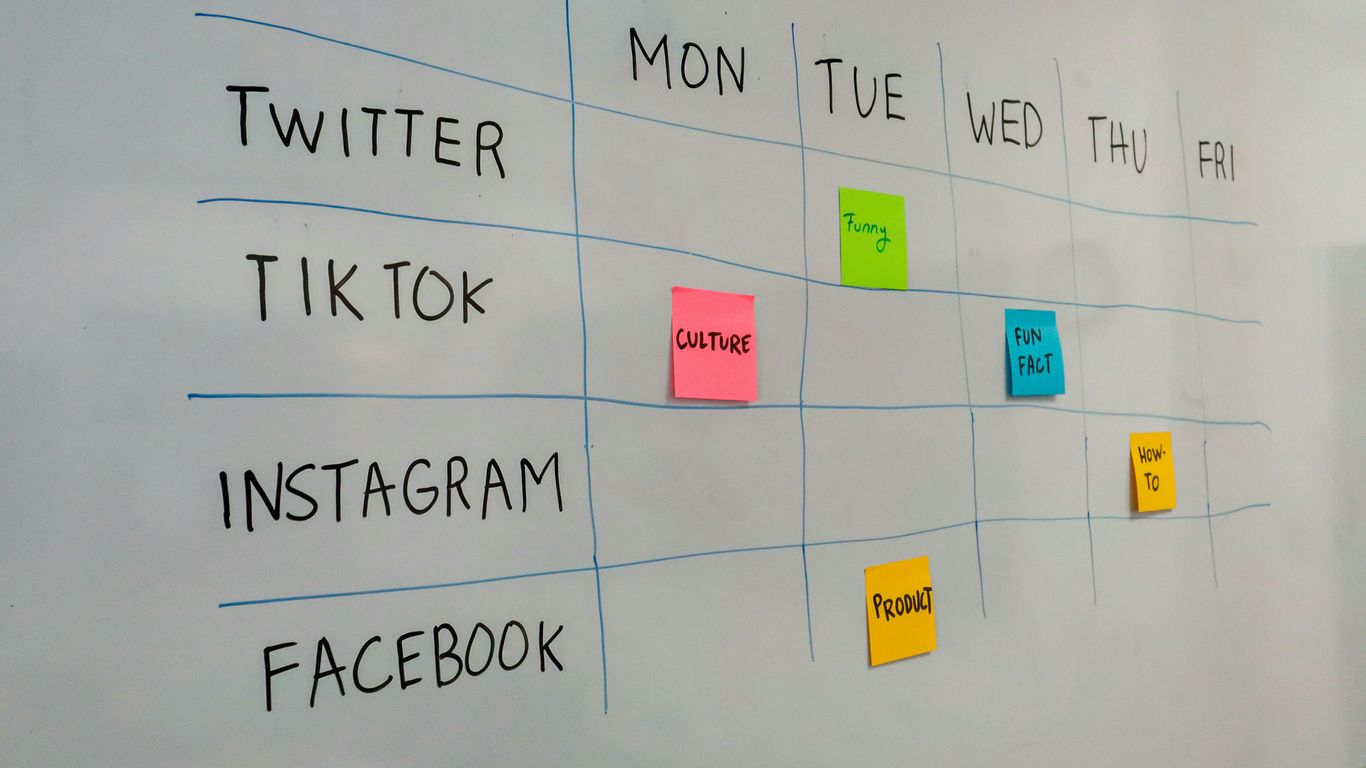
Okay, so we’ve talked about what marketing campaigns are and why managing them is a big deal. Now, let’s get into the nitty-gritty of actually making your campaign management system work better. It’s not just about having a cool tool; it’s about setting up the right rules and processes so everything runs smoothly.
The Role Of Governance In Campaign Success
Think of governance as the rulebook for your campaigns. Without it, things can get messy, fast. It’s about making sure everyone’s on the same page, following the same procedures, and that we’re all working towards the same goals. This means having clear guidelines on things like:
- Naming conventions: How we name files, campaigns, and assets so we can actually find them later.
- Approval processes: Who needs to sign off on what, and how quickly.
- Budget tracking: How we monitor spending and make sure we’re not going over.
- Brand consistency: Making sure all our campaigns look and sound like us, no matter who’s working on them.
When we have good governance, we avoid a lot of headaches. It stops those "who approved this?" moments and makes sure our campaigns are always on-brand and on-track. It’s the backbone that keeps our marketing efforts organized and effective.
Having a solid governance structure means we spend less time fixing mistakes and more time actually doing great marketing. It’s about building a system that supports us, not one that trips us up.
Tools And Tactics For Smoother Operations
Beyond the rules, we need the right tools and smart tactics to make our campaign management sing. It’s easy to get bogged down in endless spreadsheets and back-and-forth emails, but there are ways to streamline things.
We’ve found that using a central platform for campaign requests is a game-changer. Instead of random emails or Slack messages, we have a structured way for people to submit campaign briefs. This form can automatically pull in key info, assign tasks, and even set deadlines. It means less chasing for details and more focus on the actual work.
Here’s a look at some things that really help:
- Project Management Software: Tools like Asana, Monday.com, or Wrike can be lifesavers. They let us create templates for common campaign types, map out workflows, and track progress all in one place.
- Automated Reporting: Spending hours pulling data from different platforms is a drag. Setting up dashboards that automatically pull key metrics saves a ton of time and gives us a clearer picture of performance.
- Asset Management Systems: Keeping track of all our creative assets (images, videos, copy) can be tough. A good digital asset management (DAM) system makes it easy to store, find, and reuse approved materials.
- Regular Check-ins: Even with great tools, talking to each other is important. Quick, regular team syncs help us spot potential roadblocks early and keep everyone aligned.
By combining clear governance with the right operational tactics and tools, we can build a campaign management system that doesn’t just manage campaigns, but actually helps us do better marketing, faster.
Want to build a campaign management system that actually works? We can help you create a system that makes managing your marketing efforts simple and effective. Stop wasting time and start seeing better results. Visit our website today to learn how we can transform your campaign management!
Wrapping It Up
So, we’ve talked a lot about how to keep marketing campaigns from turning into a chaotic mess. It’s really about having a solid plan and a good system in place, from the very first idea to looking back at what happened. When we get this right, it makes everything else so much smoother. We can actually see what’s working, fix what isn’t, and make sure our marketing efforts are actually helping the business hit its goals. It’s not just about running ads; it’s about making sure all the pieces fit together so we’re not just spending money, but spending it smart. Getting this stuff organized means we can focus on the creative side and the big picture, knowing the day-to-day stuff is handled.
Frequently Asked Questions
What's the big idea behind marketing campaign management?
Think of it like this: we plan, run, and then check how well our marketing efforts are doing to hit specific goals. It’s about making sure all our ads, social posts, emails, and everything else work together smoothly, like a well-oiled machine, instead of being a jumbled mess. We want every dollar we spend to count and help us reach our business targets.
Why is managing campaigns so important?
Honestly, without good management, we’re just guessing if our marketing is actually working. We might see a bunch of likes or clicks, but we won’t know if those things are actually leading to sales or helping us achieve what we set out to do. Good management helps us see the whole picture, figure out what’s bringing in the best results, and make smart changes along the way.
What are the main steps in managing a campaign?
We usually break it down into a few key parts. First, there’s the ‘intake’ where we figure out what’s needed for a new campaign. Then, we get into ‘planning’ to map out the details. ‘Execution’ is when we actually put the campaign out there. After that, we ‘track’ how it’s performing, and finally, we ‘optimize’ based on what we learn to make future campaigns even better.
As a full-service digital marketing agency in Singapore, we specialise in SEO, Google Ads, social media marketing, content marketing, website design, and video production. Reach out to our team to discover how we can accelerate your online growth.