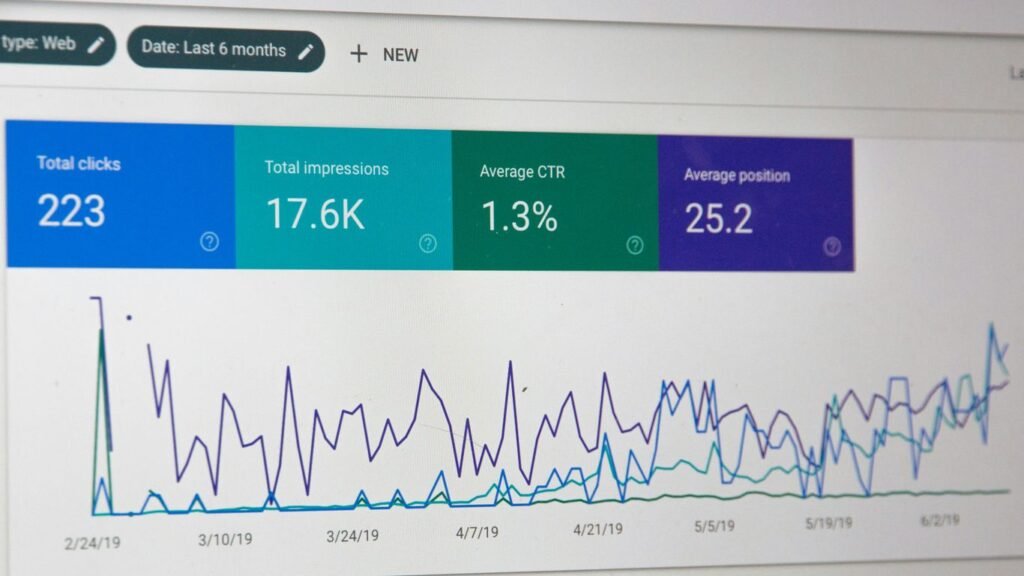
Here are the main things to remember when thinking about SEO versus SEM. We’ve broken it down so you can easily recall the most important points.
Key Takeaways
- SEM is about paying for ads to show up fast in search results.
- SEO is about making your website better so it shows up naturally over time, without paying for clicks.
- SEM gives you quick wins, great for promotions or when you need immediate attention.
- SEO builds trust and authority, leading to steady traffic that lasts, making it cost-effective in the long run.
- The best strategy often involves using both SEM and SEO together, letting them support each other for maximum impact.
Understanding The Core Concepts: SEO vs SEM
Alright, let’s get down to brass tacks. When we talk about getting found online, two big players always come up: SEO and SEM. They sound similar, and honestly, they work together like a charm, but they’re actually pretty different beasts. Think of it this way: SEM is like renting a billboard on a busy highway, while SEO is like building a really great shop right on that highway that people naturally want to visit. Both get you seen, but in totally different ways.
What Exactly Is Search Engine Marketing?
Search Engine Marketing, or SEM, is basically the paid side of getting your business in front of people when they search for things online. You know those ads you see at the very top or bottom of Google search results, usually marked with a little "Ad"? That’s SEM. We pay search engines, like Google, to show our ads to people who are searching for specific words or phrases, called keywords. It’s a direct way to get your business in front of potential customers right when they’re looking for what you offer. We can get pretty specific with who sees these ads, too – think location, interests, and even what they’ve searched for before. The biggest perk here is speed; you can get your ads up and running pretty quickly and start seeing traffic almost immediately.
What Is Search Engine Optimisation?
Now, Search Engine Optimisation, or SEO, is the other side of the coin. Instead of paying for placement, we’re working to make our website so good and so relevant that search engines like Google want to show it to people organically, meaning without us paying for each click. This involves a bunch of things: making sure our website is easy for search engines to crawl, creating really helpful and interesting content that people are searching for, and getting other reputable websites to link back to ours. It’s a longer game, for sure. It takes time to build up that authority and relevance. We’re talking months, not days, to see big results. But when it works, it’s like building a solid foundation that keeps bringing people to your digital doorstep for a long, long time.
The Fundamental Differences At A Glance
So, to break it down simply:
- Cost: SEM costs money directly because we’re paying for ad space and clicks. SEO doesn’t have a direct cost per click, but it requires time, effort, and sometimes tools to do it right.
- Speed: SEM can give us results almost instantly. SEO is a marathon; it takes time to build up.
- Longevity: SEM stops working when we stop paying. Good SEO can keep bringing in traffic long after the initial work is done.
- Visibility: SEM puts us right at the top, but it’s clearly marked as an ad. SEO earns us a spot in the organic results, which often builds more trust.
It’s not really an ‘either/or’ situation. Most of the time, the best approach is to use both SEM and SEO together. They complement each other really well, helping us cover all our bases and reach people at different stages of their search journey.
Here’s a quick look at how they stack up:
| Feature | Search Engine Marketing (SEM) | Search Engine Optimisation (SEO) |
|---|---|---|
| Approach | Paid advertising | Organic (unpaid) methods |
| Speed | Immediate | Gradual (3-6+ months) |
| Cost | Pay-per-click/impression | Time & effort investment |
| Longevity | Temporary (while paying) | Long-term (with maintenance) |
| Visibility | Top/bottom of SERPs (Ads) | Organic listings |
The Distinct Advantages Of Each Approach
Okay, so we’ve talked about what SEO and SEM are. Now, let’s get into why you might lean one way or the other, or maybe, just maybe, use both. It’s not always an either/or situation, you know?
Why Paid Search Delivers Immediate Impact
Look, if you need results yesterday, paid search, or PPC (Pay-Per-Click), is your best friend. You set up your ads, you bid on keywords, and boom – you can start showing up in search results almost instantly. It’s like flipping a switch. This is super handy when you’ve got a new product to launch, a big sale coming up, or you just need to get some eyeballs on your site right now. You can target specific groups of people, too, which means you’re not just throwing money into the void. You can see what’s working and what’s not pretty quickly, and then tweak your campaigns on the fly. It’s all about speed and control.
Here’s a quick look at why it’s so fast:
- Instant Visibility: Your ads can appear on search engine results pages (SERPs) as soon as your campaign is approved and live.
- Precise Targeting: You can zero in on specific demographics, locations, interests, and even the time of day people see your ads.
- Budget Flexibility: You set your budget, so you can start small and scale up as you see good results. You only pay when someone actually clicks your ad.
- Measurable ROI: It’s usually pretty straightforward to track how much you’re spending and how much you’re getting back in return, making it easy to justify the cost.
Paid search lets you get in front of potential customers exactly when they’re looking for what you offer, giving you a direct line to immediate leads and sales.
The Long-Term Value Of Organic Growth
Now, SEO is a different beast. It’s more of a marathon than a sprint. Instead of paying for clicks, you’re investing time and effort into making your website and content so good that search engines like Google want to show it to people naturally. This means creating helpful articles, making sure your site is easy to use, and building up your site’s authority over time. The payoff? You get traffic that’s often more engaged and loyal, and you don’t have to keep paying for every single visitor. It builds trust and credibility for your brand. Think of it as building a solid foundation for your online presence.
What makes SEO so valuable over time?
- Sustainable Traffic: Once you rank well, you can get a steady stream of visitors without paying for each one.
- Brand Authority: High rankings signal to users that you’re a trustworthy source of information.
- Cost-Effectiveness: While it takes time and effort upfront, the cost per visitor can become very low over the long haul.
- Higher Trust Factor: People tend to trust organic results more than paid ads, seeing them as more objective.
When To Prioritise Paid Over Organic
So, when should you really push the gas on paid search? Definitely when you’re launching something new and need to make a splash fast. If you have a limited-time offer or a seasonal promotion, PPC is the way to go because you can set it up and take it down quickly. It’s also great for testing the waters with new products or services to see if there’s demand before you invest heavily in SEO for them. If your competitors are already dominating the organic search results for your key terms, paid ads can be a way to cut through the noise and get seen immediately while you work on your SEO strategy. Basically, if you need quick wins and measurable results now, paid search is your go-to.
Crafting A Unified Search Strategy
Okay, so we’ve talked about what SEO and SEM are and why each is good on its own. But honestly, the real magic happens when we get them to work together. Think of it like a band – you need the rhythm section (SEO) laying down a solid groove and the lead singer (SEM) hitting those high notes for immediate impact. They sound good apart, but together? That’s when you get a hit song.
Leveraging Keyword Insights Across Both
This is where we can really be smart. The keywords that people are searching for are gold, right? We can use what we learn from our paid campaigns (SEM) to figure out which terms are actually bringing in customers who buy stuff. Then, we can focus our SEO efforts on ranking for those same high-value terms organically. It’s like getting a cheat sheet for what content to create. On the flip side, if we see that we’re already ranking really well for certain keywords organically, maybe we don’t need to spend as much money on ads for those. It helps us spend our budget more wisely.
Aligning Your Messaging For Consistency
Imagine someone clicks on one of our ads, which promises a "revolutionary new gadget," and then lands on a page that talks about something completely different, or uses a super formal tone. That’s a quick way to lose them. We need to make sure that whatever we say in our ads matches what people find on our website, whether it’s from a paid link or an organic one. This means keeping our brand voice, the offers we promote, and the general vibe consistent. It builds trust, and people are more likely to stick around and buy from brands they feel they know and can rely on.
The Power Of Remarketing To Organic Visitors
Here’s a neat trick: when people find us through our organic search results (SEO), we can actually tag them. This means we can then show them ads later on when they’re browsing other sites. This is called remarketing. So, if someone read a blog post on our site about a specific product but didn’t buy it, we can show them an ad for that exact product a few days later. It’s a way to gently remind them we exist and nudge them towards making that purchase, using the initial interest they showed through organic search as a starting point. It’s about creating a full-circle experience for potential customers.
We need to stop thinking of SEO and SEM as separate things we do. They’re both tools in our search marketing toolbox, and the best results come from using them together. Data from one should always inform the other, and our messaging needs to be on point everywhere. This integrated approach is how we get the most bang for our buck and actually connect with people looking for what we offer.
Measuring Success: Key Metrics To Track
Okay, so we’ve talked about how to do SEO and SEM, but how do we know if any of it is actually working? That’s where tracking our results comes in. We need to look at the numbers to see what’s hitting the mark and what’s just… not.
Evaluating Paid Campaign Performance
When we’re running paid ads, like those on Google Ads, we’re spending money directly, so we need to be sharp about where it’s going. We look at things like:
- Click-Through Rate (CTR): This tells us how many people see our ad and actually click on it. A good CTR means our ad is grabbing attention.
- Cost Per Click (CPC): How much are we paying each time someone clicks our ad? We want this to be as low as possible while still getting clicks.
- Conversion Rate: This is super important. It’s the percentage of people who click our ad and then do what we want them to do – like buy something or fill out a form.
- Return on Ad Spend (ROAS): This is the big one for paid ads. It shows us how much money we’re making back for every dollar we spend on ads. We want this number to be high!
We need to remember that just getting clicks isn’t enough. If those clicks don’t turn into actual business, then our ads aren’t doing their job, no matter how many people click them.
Monitoring Organic Search Visibility
For the SEO side of things, it’s a bit more of a marathon than a sprint. We’re not paying for each click, so we’re looking at different indicators:
- Organic Traffic: How many people are finding our website through search engines without us paying for it? This is a direct measure of our SEO efforts.
- Keyword Rankings: Where do our website pages show up when people search for specific terms? We want to be on the first page, ideally near the top.
- Bounce Rate: This is the percentage of visitors who land on our page and then leave without clicking on anything else. A high bounce rate might mean our content isn’t what they expected or isn’t engaging.
- Time on Site: How long are people sticking around on our pages? Longer times usually mean they’re finding our content interesting.
Integrating Data For Smarter Decisions
Here’s the real magic: we don’t look at these numbers in isolation. We bring the data from both paid and organic together. For example:
- Keyword Insights: If we see that a certain keyword is bringing in a lot of organic traffic, we might want to bid on it in our paid campaigns to capture even more of that audience. Or, if a paid keyword is performing really well, we might focus more on optimizing our organic content for it.
- Audience Behavior: We can see if people who come from paid ads behave differently than those who come from organic search. This helps us tailor our website experience for both.
- Budget Allocation: By looking at which channel is giving us the best results for our goals (whether that’s traffic, leads, or sales), we can decide where to put more of our budget. It’s about making sure our money is working as hard as possible.
By keeping an eye on all these metrics and seeing how they connect, we can make sure our whole search strategy is working together, not just in separate silos.
Common Pitfalls To Avoid
We’ve all been there, right? You’re trying to make your website shine online, juggling SEO and SEM, and then BAM! You hit a roadblock. It’s easy to stumble when you’re trying to get the most out of both paid and organic search. Let’s talk about some of the common mistakes we see people make so you can steer clear of them.
Ignoring Valuable Data Insights
This is a big one. We pour time and money into both SEO and SEM, but then we don’t actually look at what the data is telling us. It’s like driving with your eyes closed. For example, you might be spending a lot on a particular SEM keyword, but if the data shows it’s not bringing in any actual customers, why keep doing it? We need to use the analytics from both our paid campaigns and our organic efforts to make smart decisions. If we just guess, we’re basically throwing money away.
Budget Misallocation Between Channels
This is a classic balancing act. Sometimes people go all-in on paid search because they want quick results, completely forgetting about the long game of SEO. Or, they might focus so much on organic that they miss out on immediate traffic opportunities. It’s about finding that sweet spot. A good rule of thumb is to look at your overall business goals. Are you trying to boost sales right now? Maybe lean a bit more into SEM. Need to build a sustainable presence for years to come? SEO needs its fair share.
Here’s a simple way to think about it:
- Short-term goals (e.g., immediate sales boost): Allocate more budget to SEM.
- Long-term goals (e.g., brand authority, sustainable traffic): Invest more in SEO.
- Balanced approach: Split budget based on current performance data and future objectives.
Inconsistent Messaging Across Efforts
Imagine someone clicks on your shiny new ad for a "limited-time sale" (that’s SEM), but then they land on a page that talks about your "everyday low prices" and doesn’t mention the sale at all (that’s your organic content). It’s confusing, right? Users expect consistency. If your ad promises one thing, your website should deliver on that promise immediately. This applies to your brand voice, your offers, and the overall message. Keeping your messaging aligned builds trust and makes people more likely to stick around and convert.
When your paid ads and organic content are singing from the same song sheet, it creates a much smoother journey for potential customers. They know what to expect, and they feel more confident engaging with your brand. Mismatched messages, on the other hand, can make people feel like they’ve landed in the wrong place and click away.
Neglecting Long-term Goals
This ties back to budget misallocation, but it’s worth its own point. SEM can feel like a quick win. You put money in, you get clicks. Great! But if you only focus on that, you’re missing out on the compounding benefits of SEO. Organic search traffic, once established, can be incredibly cost-effective and sustainable. It’s like planting a tree versus just buying fruit. Buying fruit is fast, but planting a tree gives you fruit for years. We need to remember that building organic authority takes time, but the payoff is huge in the long run.
Real-World Synergy In Action
E-commerce Brands Boosting Traffic
We’ve seen online stores really nail this by using SEO to get found for those longer, more specific searches people make, you know, the "best waterproof hiking boots for women under $100" kind of thing. This keeps a steady stream of interested shoppers coming in. Then, they layer on SEM, especially for sales or new product launches. Think of it like having your best salesperson always available for special deals while your website quietly attracts people looking for specific items. It’s a smart way to catch both the bargain hunters and the researchers.
Local Businesses Enhancing Visibility
For a local cafe, this looks like making sure they pop up when someone searches "coffee shop near me" or "best brunch downtown." That’s the SEO part, building trust and local relevance. Then, they’ll run Google Ads targeting people within a few miles, maybe advertising a happy hour special or a new menu item. This way, they’re not just relying on someone happening to search for them; they’re actively reaching out to potential customers who are physically close by and might be looking for exactly what they offer right now.
Case Studies Of Integrated Success
It’s not just theory; we’ve seen businesses make this work. One online clothing shop used SEO to rank for terms like "sustainable linen dresses" and then used paid ads to promote their summer collection with a limited-time discount. The SEO brought in people looking for specific styles, and the paid ads captured those ready to buy now because of the sale. Another example is a local plumber. They optimized their site for "emergency plumber [city name]" and "leaky faucet repair," getting organic traffic. Simultaneously, they ran ads targeting people searching for those exact services in their service area, ensuring they were top-of-mind when someone had a plumbing emergency.
The real magic happens when you realize paid search data can tell you which keywords are actually making sales. You can then take those winning keywords and focus your SEO efforts on them, making your organic content work harder. It’s like getting a cheat sheet for what your customers really want.
Here’s a quick look at how different businesses benefit:
- E-commerce: Boosts sales during peak seasons with SEM while building long-term brand loyalty through SEO.
- Local Services: Captures immediate leads with targeted ads while becoming the go-to choice for local searches over time.
- Content Publishers: Drives traffic to articles via paid promotion and builds a sustainable audience through organic search visibility.
- B2B Companies: Generates leads for high-value services through both immediate ad responses and authoritative organic content.
See how different parts of your business can work together like a well-oiled machine in our "Real-World Synergy In Action" section. Discover how combining strategies can lead to amazing results. Ready to see this power in your own business? Visit our website to learn more!
Conclusion: Putting It All Together
So, we’ve looked at how SEO and SEM work, their own strengths, and how they can team up. It’s not really about picking one over the other. Instead, it’s about figuring out what makes sense for your business right now. Do you need quick results? SEM might be your go-to. Are you building for the long haul and want steady, cost-effective growth? SEO is your friend. The smartest move? We think it’s finding that sweet spot where you use both. By combining the immediate impact of paid ads with the lasting power of organic search, you create a search strategy that’s tough to beat. It’s about being smart with your money and your time to get seen online.
Frequently Asked Questions
What's the main difference between SEO and SEM?
Think of it like this: SEM is like paying to put up a big billboard right on the busiest street – you get seen right away. SEO is more like planting a tree in your yard; it takes time to grow, but it provides shade and beauty for years without you having to pay for it constantly.
Can I just do SEO and skip SEM?
You absolutely can! Many businesses focus just on SEO, especially if they have a lot of time and want to build long-term trust. However, SEM can give you a boost, especially when you’re just starting out or running a special sale.
Does SEM cost a lot of money?
It can, but it doesn’t have to. You set your own budget. You only pay when someone actually clicks on your ad. So, you can start small and see how it goes, then spend more if you’re getting good results.
How long does it take to see results with SEO?
SEO is a marathon, not a sprint. It usually takes a few months, maybe 3 to 6, to start seeing real changes in your search rankings. The good news is, once you rank well, that traffic keeps coming without you paying for each click.
Why would I use both SEO and SEM?
Using both is like having a two-pronged attack! SEM gets you noticed right now, which is great for promotions. SEO builds your reputation and brings in steady visitors over time. Together, they cover all your bases and help you reach more people.
Which one is better for my small business?
It really depends on your goals! If you need customers *today* for a specific offer, SEM is faster. If you want to build a lasting online presence and attract customers over months and years, SEO is the way to go. Many small businesses find a mix of both works best to get the most bang for their buck.
Our Singapore team delivers results-driven SEO services, SEM services, and digital marketing services tailored to your goals. We also specialise in social media marketing and content marketing to drive sustainable growth across every channel.
Our Singapore team delivers SEO services, SEM services, and digital marketing. We also provide social media marketing and content marketing for sustainable growth.

Natasha Tan is the founder of Digital Marketing Singapore, a full-service SEO and digital marketing agency based in Singapore. With hands-on experience across SEO, paid media, and content strategy, she works directly with Singapore businesses to build organic visibility and generate consistent leads. Natasha specialises in the Singapore market — including local search behaviour, PDPA compliance, and government grant navigation for SMEs.