We’re diving into how we can build an amazing ecommerce site design that people love to use and search engines love to show off. It’s not just about making things look pretty; it’s about making sure our online shop is easy to find and even easier to shop on. We’ll talk about putting together a site that works great on phones, loads super fast, and just feels right for everyone who visits. Plus, we’ll cover how to fill it with content that keeps folks coming back and helps them find exactly what they need, all while making sure our site is welcoming to absolutely everyone.
Key Takeaways
- When we design our ecommerce site, we need to think about SEO from the very beginning. It’s not something we can just add on later; it has to be part of the plan from the start to make sure our site gets seen.
- A good ecommerce site design means making it super simple for people to find their way around and for search engines to understand what our site is about. Things like fast loading times and working well on phones are a big deal.
- We need to create content that people actually want to read and use, and make sure our site is easy for everyone to access. Using links to connect related pages also helps keep visitors engaged and helps search engines see our site’s structure.
Building Your Ecommerce Site Design With SEO In Mind
Understanding The Fundamentals Of SEO And Web Design
So, we’re building an online store, right? It’s not just about making it look pretty. We need people to actually find it. That’s where SEO, or search engine optimization, comes in. Think of it as making your store super easy for search engines like Google to understand and recommend. When we talk about web design for SEO, we’re really talking about two main things working together: how the site looks and works for people, and how search engines can easily read and rank it.
Basically, search engines have these little programs, called bots, that crawl around the internet, looking at websites. They’re trying to figure out what each page is about so they can show it to people who are searching for that stuff. If our site is messy or confusing, these bots might have a hard time figuring it out, and then, poof, we don’t show up in search results.
Here’s a quick rundown of what we’re talking about:
- Crawling: This is how search engines discover new and updated pages. Their bots scan the web.
- Information Architecture (IA): This is how we organize all the stuff on our site. It’s like the map and signs for our store, making it easy for people and bots to find what they need.
- Mobile-Friendliness: Most people shop on their phones these days. Our site has to work just as well on a small screen as it does on a big computer monitor. It needs to load fast and not be a jumbled mess.
- Page Speed: How quickly does a page load after someone clicks a link? If it takes too long, people leave. Fast loading times are super important.
- User Experience (UX): This is all about making the shopping experience smooth and enjoyable. If it’s hard to use, people won’t stick around.
We want our online store to be the first place people think of when they search for what we sell. Good design gets people in the door, but good SEO makes sure they can find the door in the first place.
Why Your Ecommerce Site Design Needs SEO From The Start
It’s easy to get caught up in making our online store look amazing, but if no one can find it, what’s the point? That’s why we’ve got to think about SEO right from the get-go. Trying to add SEO later is like trying to build a house and then deciding you want a basement – it’s way harder and more expensive than planning it from the start.
Think about it: a website that looks good but doesn’t show up in search results is like a beautiful shop on a deserted street. Nobody’s going to find it. On the flip side, a site that’s optimized for search engines can bring in tons of potential customers who are actively looking for what we sell. It’s a huge part of getting noticed.
Here’s why it’s a big deal to build SEO into our design from day one:
- More Visitors: When our site ranks higher in search results, more people will click on it. It’s that simple.
- Builds Trust: A well-designed, easy-to-use site that also shows up in search results makes us look more credible. People trust businesses they can find easily.
- Saves Time and Money: Fixing design issues for SEO later can be a real headache. Doing it right the first time is much more efficient.
We want our online store to be the answer when someone types a question into Google. SEO helps us be that answer, and good design keeps them happy once they get there. They really are two sides of the same coin.
Key Design Elements For A Search-Optimized Ecommerce Site
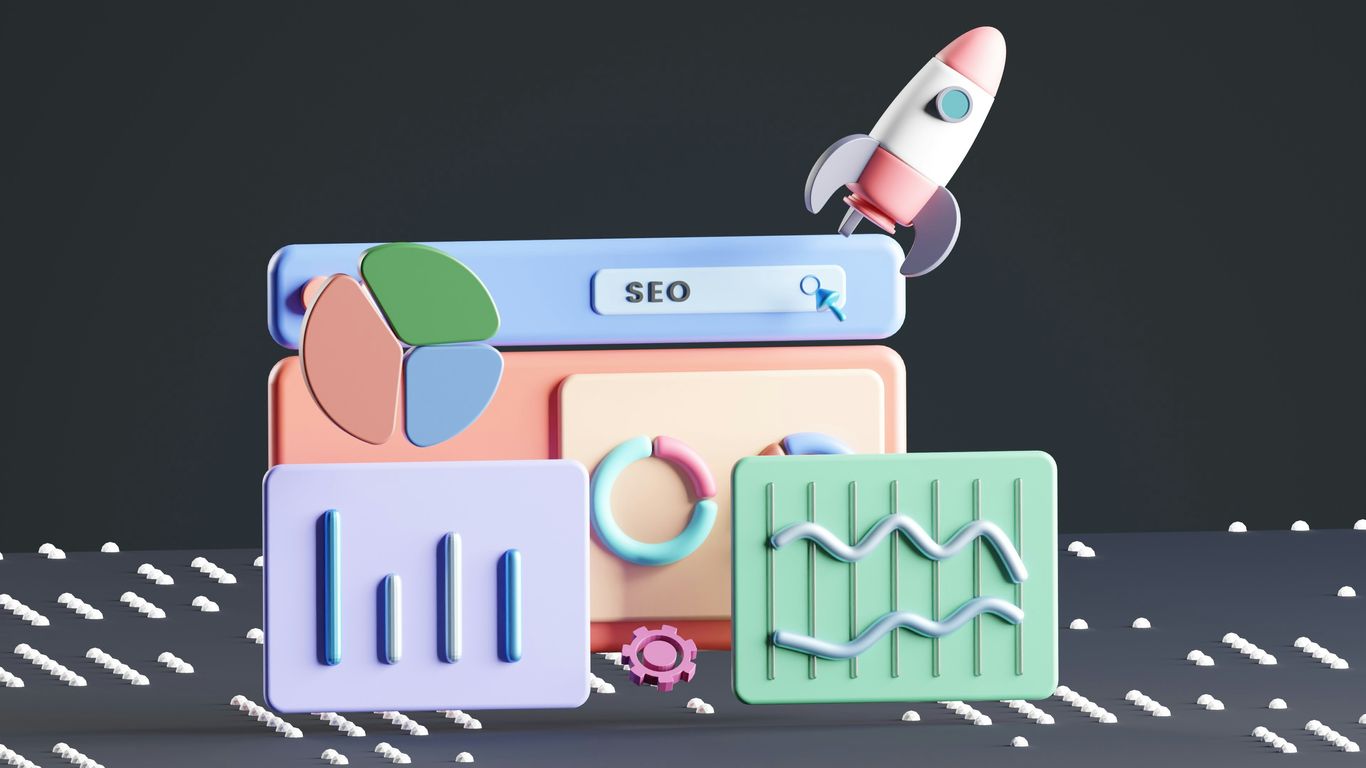
When we’re building an online store, it’s easy to get caught up in making things look pretty. But if people can’t find what they’re looking for, or if the site is a pain to use, all that pretty design goes to waste. We need to think about how search engines see our site, and more importantly, how real people interact with it. Making your site easy to use and understand is just as important as the products you sell.
Creating An Intuitive Navigation And Site Structure
Think about how you browse websites. You want to get from point A to point B without a maze. That’s where a good site structure and clear navigation come in. We want our customers to find what they need quickly, ideally within just a few clicks. This means organizing our categories logically and making sure our links actually go where they say they will. We also like using breadcrumbs – those little links at the top that show you where you are on the site, like "Home > Category > Product." They’re super helpful for people and search engines alike.
Here’s a quick breakdown of what makes navigation work:
- Clear Categories: Group similar products together so people don’t have to guess.
- Logical Flow: Make it easy to move from a general category to specific products.
- Search Bar: A prominent search bar is a must for larger stores.
- Breadcrumbs: Help users track their location on the site.
- Descriptive Links: Use text that tells people what they’ll find when they click.
Ensuring Mobile-Friendliness And Page Speed
Let’s face it, most people are shopping on their phones these days. If your site looks wonky or is slow to load on a mobile device, you’re losing customers. We need to make sure our site works well on all screen sizes. This isn’t just about looking good; it’s about speed. Slow pages make people leave, and that tells search engines your site isn’t great. We aim for pages that load in under 3 seconds. It makes a huge difference.
Here are some things we check for:
- Responsive Design: The site adapts to any screen size.
- Fast Loading Times: Images are optimized, and code is clean.
- Easy-to-Tap Buttons: Buttons and links are large enough for fingers.
- Readable Text: Font sizes are appropriate for mobile viewing.
Focusing On User Experience And Readability
Beyond just finding things, we want people to actually enjoy being on our site. This means the text needs to be easy to read, and the overall layout shouldn’t be overwhelming. We avoid using super technical jargon that only a few people will understand. Instead, we focus on clear, simple language that explains our products and services. Good readability means people spend more time on the site, which is a good sign for search engines. We also make sure to add descriptive text to all our images (alt text) so that search engines can understand them, and it helps people using screen readers too.
We believe that a website should be a pleasant place to be. If it’s hard to read, slow, or confusing, people will just go somewhere else. Making things simple and clear benefits everyone.
We also pay attention to how content is presented:
- Short Paragraphs: Break up text into digestible chunks.
- Headings and Subheadings: Guide the reader through the content.
- Bullet Points: List information clearly and concisely.
- White Space: Give the content room to breathe; it makes it less intimidating.
- Clear Calls to Action: Tell people what you want them to do next.
Integrating SEO Into Your Ecommerce Site's Content And Functionality

So, we’ve talked about making our site look good and work well, but what about what’s actually on the pages and how it all connects? This is where we really bring the SEO magic into the everyday stuff users interact with.
Developing Quality Content That Satisfies Users
Look, search engines are getting smarter, but at the end of the day, they want to show people stuff they’ll actually like. That means our content needs to be more than just keyword-stuffed filler. We need to write about our products, our brand, and our industry in a way that’s genuinely helpful and interesting to our customers. Think about what questions people ask, what problems they’re trying to solve, and then create content that answers them clearly. This focus on user satisfaction is the bedrock of good SEO. If people find what they need and enjoy reading it, they’ll stick around, and that’s a huge win for search rankings.
Leveraging Internal Linking For Better Engagement
Internal linking is like creating a helpful roadmap within our own website. When we link from one page to another relevant page, we’re doing two things. First, we’re helping visitors discover more of our stuff – maybe a blog post about a product leads them to the product page itself, or a category page links to a specific item. Second, we’re telling search engines, "Hey, this page is related to that page, and it’s important!" We should be smart about it, too. Link from popular pages to less-known but important ones, and use clear, descriptive text for the links so everyone knows what they’re clicking on.
Here’s a quick way to think about it:
- Blog Posts: Link to relevant product pages or category pages.
- Product Pages: Link to related products or accessories.
- Homepage: Link to your main service or category pages.
- About Us Page: Link to your contact page or key product lines.
Prioritizing Accessibility For All Users
Making our website accessible isn’t just the right thing to do; it’s also great for SEO. When we make sure our site works for people with disabilities, we’re often improving the experience for everyone. This means adding descriptive alt text to all our images so screen readers can describe them. It also means making sure our videos have transcripts and our site is easy to navigate using a keyboard. Search engines notice when a site is built with everyone in mind, and it can lead to better visibility and a more positive user experience overall. Plus, it opens up our products and content to a wider audience, which is always a good thing for business.
Making your online store great for search engines is super important! It’s not just about keywords; you also need to think about how your site works and what people can find on it. Want to learn how to make your online shop shine in search results? Visit our website today for expert tips and strategies!
So, What's the Takeaway?
Alright, so we’ve talked a lot about how web design and SEO really need to go hand-in-hand. It’s not just about making a pretty website anymore. If people can’t find it, or if it’s a pain to use, then all that design work is kind of wasted. We learned that thinking about search engines from the start, making things easy for users, and keeping your content clear are super important. It’s like building a house – you need a solid foundation (that’s the SEO) and a nice, functional interior (that’s the design). Get both right, and you’ve got a place people will want to visit and stick around. So, don’t just focus on one or the other; make them work together from day one.
Frequently Asked Questions
Why should we think about SEO when we're building our website?
We need to think about SEO from the start because it’s like building a store with a great sign and clear aisles. If people can’t find your store or easily find what they’re looking for inside, they’ll go somewhere else. SEO helps search engines like Google understand what your website is about so they can show it to people searching for those things. Good design keeps them happy once they arrive. It’s all about making sure folks can find us and like what they see!
What's the most important thing for making our website easy to find and use?
For us, the most crucial part is making sure our website is super easy to navigate. Think of it like a map for our visitors. If they can quickly find what they need without getting lost, they’ll stick around. This means having clear menus, logical pages, and making sure it works great on phones too. When it’s simple and fast, both people and search engines will be happier.
Does having good content really help our website get found?
Absolutely! Creating helpful and interesting stuff for our visitors is a huge part of SEO. Search engines want to show people the best answers to their questions, and if our website provides that, we’re more likely to show up. It’s not just about stuffing keywords; it’s about genuinely helping our audience. When we make great content, people stay longer, share it, and that tells search engines our site is valuable.