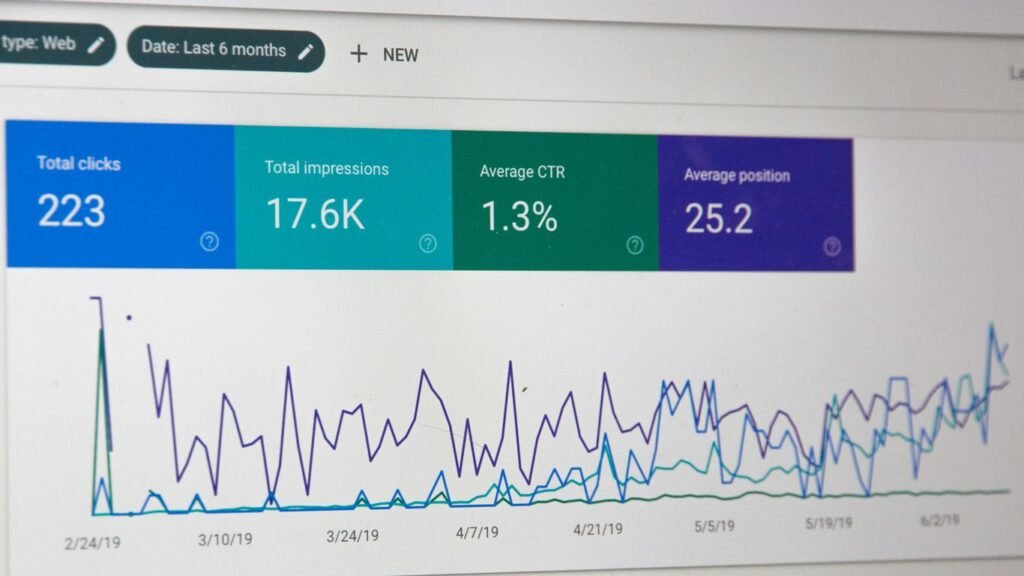
We all want our SEO agency to grow, right? But sometimes, just doing more stuff doesn’t cut it. We found that having clear workflows, like a good system for getting things done, makes a huge difference. It’s not about working harder, but smarter. We’re going to look at how we can set up our SEO agency to build solid processes that help us grow steadily, without all the usual chaos.
Key Takeaways
- We can make our SEO agency more predictable by linking our keyword research directly to what the business actually needs to achieve. This means we’re focusing our efforts on the things that matter most for growth.
- Streamlining how we create and update content, and making sure our SEO efforts work across different platforms like YouTube and TikTok, helps us get more done efficiently and keeps our content fresh.
- Building in checks for technical SEO and quality, and always looking at our performance data, means we can keep improving our workflows and scale our SEO agency work without dropping the ball.
Building A Foundation For Predictable SEO Growth
We all want our websites to show up when people search for what we offer. It’s not just about getting clicks; it’s about getting the right clicks that turn into customers. To make that happen consistently, we need a solid plan right from the start. Think of it like building a house – you wouldn’t start putting up walls without a strong foundation, right? SEO is the same. We need to connect what we do with what people are actually searching for.
Connecting Keyword Research To Business Objectives
This is where we figure out what terms people use when they’re looking for products or services like ours. But it’s not just about finding popular keywords. We need to make sure those keywords actually align with our business goals. Are we trying to sell more of a specific product? Are we looking to get more leads for a service? Knowing this helps us focus our keyword research on terms that will actually bring in business, not just traffic.
Here’s a simple way we look at it:
- Identify Core Business Goals: What are we trying to achieve? (e.g., increase sales of Product X, generate leads for Service Y, build brand awareness in a new market).
- Brainstorm Seed Keywords: What are the basic terms related to our goals?
- Expand with Keyword Tools: Use tools to find related terms, questions people ask, and long-tail variations.
- Analyze Search Intent: Does the searcher want to buy, learn, or compare? Match our content to their intent.
- Prioritize Based on Relevance and Volume: Focus on keywords that are relevant to our business and have a decent search volume.
We often see businesses get lost in keyword research, chasing terms that sound good but don’t actually lead to conversions. It’s about smart targeting, not just broad reach.
Creating Data-Driven Content Briefs For Clarity
Once we know what keywords we’re targeting and why, we need to tell our content creators exactly what to make. This is where content briefs come in. They’re like a roadmap for writers, designers, or anyone making content. A good brief takes all the research we’ve done and puts it into clear, actionable instructions. This means everyone is on the same page, and the content we produce is designed to rank and help our business goals.
A solid content brief should include:
- Target Keyword(s): The primary and secondary keywords to focus on.
- Search Intent: What is the user looking for when they search this term?
- Target Audience: Who are we writing this for?
- Key Topics to Cover: Specific points or questions that need to be addressed.
- Competitor Analysis (Brief): What are the top-ranking pages doing well?
- Call to Action (CTA): What do we want the reader to do next?
This structured approach helps us create content that’s not only optimized for search engines but also genuinely useful for our audience. It’s the bridge between understanding what people search for and actually creating content that satisfies them and drives business results.
Streamlining Content Production And Optimization

Okay, so we’ve got our keyword research locked in and our content briefs looking sharp. Now, how do we actually get this stuff made and out the door without losing our minds? This is where we really focus on making our content process smooth and efficient. It’s not just about churning out more content; it’s about building a system that makes creating good SEO content repeatable, measurable, and something we can actually scale.
Orchestrating Multi-Platform SEO Efforts
We know SEO isn’t just about blog posts anymore. Our work needs to stretch across different places people find information. Think about a core piece of content, like a big guide on our website. We can break that down into smaller bits for social media, maybe a script for a YouTube video, or even a few points for an email newsletter. The key here is keeping the main message and our target keywords consistent across all these different formats. We also need to keep track of what each platform needs – like character limits for a Twitter post or the right hashtags for Instagram. It’s about making sure our message is clear and searchable everywhere, without sounding like a robot repeating itself.
Refreshing And Optimizing Existing Content
We’ve got a bunch of content already out there, right? Instead of always starting from scratch, we can get a lot of mileage by going back and updating what we already have. This isn’t just a quick spell-check; it’s a whole process. We look at what’s already ranking, see what’s missing compared to the top results, and then add that in. Because the core message is already there, and we’ve likely got brand approval, this can be a much faster way to improve our search performance. It’s like giving our old content a tune-up so it can perform even better.
We’ve found that when we stop treating technical SEO as an afterthought and start building it into our content creation process from the beginning, we avoid a lot of headaches later on. It means our great content doesn’t get held back by simple technical glitches.
Here’s a quick look at how much faster things can get when we move away from messy, back-and-forth communication to a more structured approach:
| Production Stage | Our Old Way (Ad-hoc) | Our New Way (Structured) |
|---|---|---|
| Brief Creation | 2-3 hours (researching) | 30 minutes (using templates) |
| Review Cycles | 3-5 days (email tag) | 1-2 days (centralized comments) |
| Technical Setup | Post-publication (manual) | Pre-publish checklist |
| Total Time-to-Publish | 2+ weeks per asset | 3-5 days per asset |
This speed difference is a big deal. It means we can get more high-quality content out there faster, which really helps us grow.
Ensuring Quality And Scalability In SEO Workflows
So, we’ve talked about getting the foundation right and streamlining content. Now, let’s get real about making sure our SEO efforts don’t just work, but they work well and can actually grow with us. It’s easy to get caught up in the day-to-day, but if we don’t build quality and scalability into our processes, we’ll hit a wall.
Implementing Technical SEO Requirements
This is where a lot of the behind-the-scenes magic happens, and honestly, it’s often the stuff that gets overlooked when things get busy. We need to make sure that technical SEO isn’t an afterthought, but a built-in part of our workflow. Think of it like building a house – you wouldn’t just slap on a coat of paint and hope the foundation holds, right?
We’ve found that the best way to handle this is to create checklists. These aren’t just random to-dos; they’re specific requirements tied to each piece of content or site update. This could include things like:
- Ensuring proper schema markup is implemented.
- Checking that internal linking is strategic and supports related content.
- Verifying that meta descriptions and title tags meet character limits and include target keywords.
- Making sure images have descriptive alt text.
- Confirming the site structure supports crawlability.
The goal is to bake these technical checks into the content creation or development process itself, not to tack them on at the end. This means our content briefs should include technical specs, and our development handoffs should have clear technical requirements. It saves a ton of headaches down the line and stops issues from creeping into live content.
Executing Quality Assurance Checks
Quality assurance (QA) is our safety net. It’s the final look-over before something goes public, and it’s absolutely vital for maintaining our reputation and search performance. We can’t afford to have sloppy work out there. This isn’t just about proofreading for typos, though that’s part of it. It’s a more thorough review.
Here’s a quick look at what our QA process typically involves:
- Content Accuracy & Completeness: Does the content fully answer the search intent? Is all the information correct and up-to-date? Does it match the brief?
- SEO Elements: Are keywords naturally integrated? Is the on-page optimization solid (headings, formatting, etc.)?
- User Experience (UX): Is it easy to read and navigate? Are there any broken links or formatting errors?
- Technical Compliance: Does it meet the technical requirements we outlined earlier?
We’ve learned that having a dedicated QA step, ideally performed by someone who wasn’t directly involved in the creation, catches things we would have otherwise missed. It’s about having a fresh pair of eyes that are specifically looking for potential problems.
Tracking Performance For Continuous Improvement
Finally, none of this works if we’re not looking at the results and learning from them. Our SEO workflows aren’t static; they need to evolve. We track performance not just to see if we’re ranking, but to see how our process is performing.
We look at a few key areas:
- Time-to-Publish: How long does it take from brief to live content? Are there bottlenecks?
- Content Performance: Are the pieces we’re publishing actually ranking and driving traffic/conversions?
- Technical Health: Are there recurring technical issues that point to a flaw in our implementation process?
- Team Efficiency: Are there steps that consistently take longer than expected or require a lot of back-and-forth?
We use this data to tweak our workflows. Maybe a certain type of content brief needs more detail, or perhaps our QA process needs to be more rigorous for specific content formats. By consistently measuring and analyzing, we can identify areas for improvement and make our entire SEO operation more efficient and effective over time. It’s this cycle of doing, measuring, and refining that really drives sustainable growth.
Making sure your SEO tasks are top-notch and can handle growth is super important. It’s like building a strong foundation for your online presence so it can get bigger and better without falling apart. We help you set up systems that work smoothly, even as your business expands. Want to learn how to make your SEO efforts strong and ready for anything? Visit our website today to discover the best ways to keep your SEO work excellent and scalable!
Wrapping It Up
So, we’ve talked a lot about how putting solid workflows in place can really change things for your SEO efforts. It’s not just about doing more tasks, but doing them smarter. When we get our research, writing, technical stuff, and tracking all lined up, it just makes everything run smoother. We can actually see what’s working and what’s not, and then tweak things to get even better results over time. It’s about building a system that keeps giving, not just a one-off effort. By focusing on these processes, we can build that steady, reliable growth we’re all after.
Frequently Asked Questions
What exactly is an SEO workflow, and why do we need one?
Think of an SEO workflow as our game plan for getting our website seen more often on search engines like Google. It’s like a step-by-step guide that connects all the things we do for SEO, from figuring out what words people search for to writing content and making sure our website works perfectly. Having a workflow means we do things in a smart, organized way every time, which helps us grow steadily instead of just guessing.
How do we make sure our content actually helps our business goals?
We start by looking at what we want to achieve as a business, like selling more products or getting more people to sign up for something. Then, we find keywords – those search terms people use – that are directly related to those goals. This way, when we create content around those keywords, we know it’s aimed at bringing in customers who are likely to do what we want them to do.
How do we keep our SEO efforts working well over time?
We don’t just set it and forget it! We constantly check how our content is doing in search results and how much traffic it’s bringing in. If something isn’t working as well as we hoped, or if a competitor is doing better, we jump in to fix it. This continuous checking and tweaking helps us improve our process and make sure our SEO stays strong and keeps growing.
Ready to put this into practice for your Singapore business?
The brands that compound results year after year are the ones that integrate paid, organic, and creative work into a single plan. Each channel feeds the next: paid search validates which keywords convert, social media marketing builds the brand recognition that lifts conversion rates, the website becomes the conversion engine, and high-quality creative production keeps the inventory of assets fresh enough to feed all of it. When these channels report into the same dashboard, marketing investments stop competing against each other and start compounding.
A common pattern we see with Singapore SMEs is treating each marketing channel as a separate experiment with a separate timeline. The result is fragmented attribution, duplicated work, and a slower path to ROI. The fix is straightforward but requires discipline: define one customer journey across channels, build one source of truth for performance data, and resource each channel based on what the journey actually needs.
That’s the model we apply for our clients, and it’s the same model the brands ranking on page one of Google for competitive Singapore keywords use to maintain their position. If you’d like to talk through how this could work for your business, get in touch — we’ll start with a clear-eyed look at your current marketing performance and where the biggest compounding opportunities sit.

Natasha Tan is the founder of Digital Marketing Singapore, a full-service SEO and digital marketing agency based in Singapore. With hands-on experience across SEO, paid media, and content strategy, she works directly with Singapore businesses to build organic visibility and generate consistent leads. Natasha specialises in the Singapore market — including local search behaviour, PDPA compliance, and government grant navigation for SMEs.