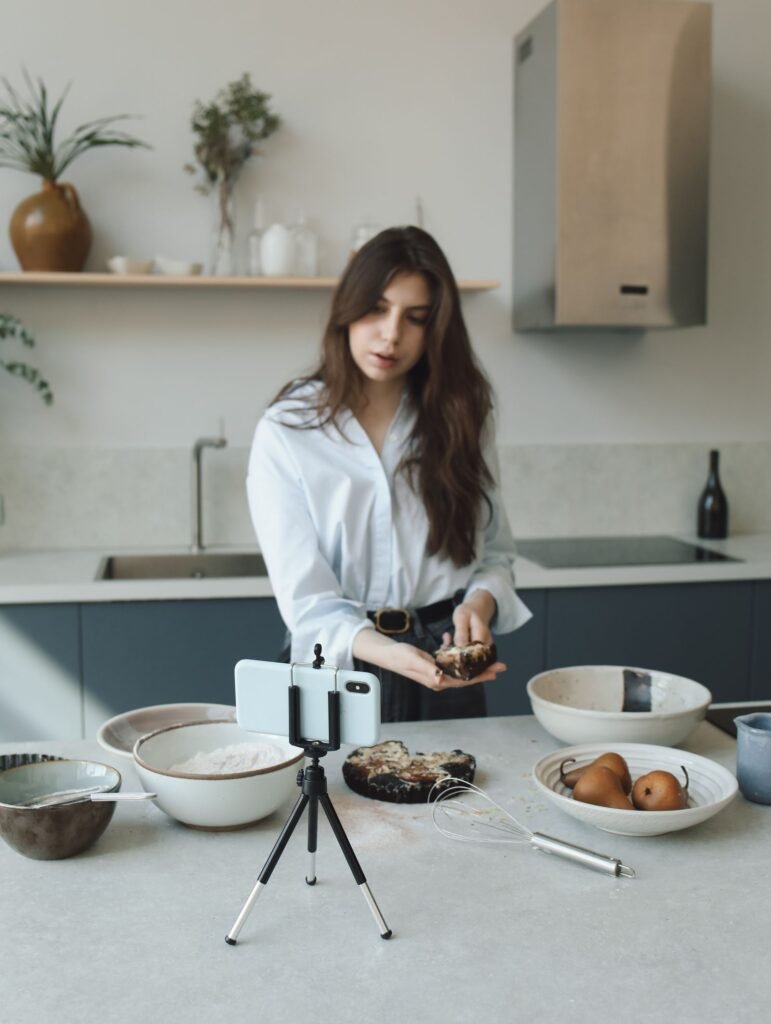
Singapore's food and beverage scene moves fast, and in 2026 much of that momentum is driven by food influencers Singapore diners already follow and trust. A short video showing a dish being plated, a queue forming outside a new cafe, or a genuine first bite reaction can shape where someone eats that same evening, often before they read a single online review. For F&B brands, this means influencer partnerships have moved from a nice-to-have experiment into a core part of how new openings, seasonal menus, and everyday promotions get in front of the right audience.
This guide walks through the main types of food creators active in Singapore today, how to vet a creator before committing budget, the ways partnerships are typically structured, common mistakes brands make, how to measure results beyond surface-level metrics, the platform differences between Instagram and TikTok, seasonal planning around Singapore's festive calendar, and when it makes sense to work with an influencer marketing agency rather than approaching creators directly.
Why Food Influencers Matter in Singapore's F&B Market
Singapore is compact, densely populated, and highly social when it comes to food. Word about a new hawker stall, a limited-time set menu, or a photogenic dessert spreads quickly across group chats and social feeds, and food influencers sit right at the centre of that spread. A well-matched creator does not just post a photo of a dish; they translate a dining experience into something a follower can picture themselves ordering that same week.
Unlike broader lifestyle categories, food content in Singapore benefits from an unusually active and specific audience. People here actively search out new places to eat, follow multiple food accounts at once, and treat creator recommendations as a genuine part of deciding where to spend a weekend meal or a work lunch. In our experience working with F&B clients across Singapore, brands that treat influencer marketing as a long term channel, rather than a one off boost for a launch week, tend to build a much steadier stream of new customers over time.
This matters commercially too. Rising rents and tighter margins mean many F&B operators cannot rely on walk in traffic alone, and paid advertising can only do so much to convey what a dish actually looks and tastes like. Influencer content fills that gap by showing real people enjoying real food in a way that feels native to how younger diners already browse for recommendations, rather than feeling like a traditional advertisement.
Types of Food Influencers F&B Brands Work With
Not all food creators serve the same purpose, and one of the most frequent errors we see is brands approaching every creator the same way regardless of audience size or content style. Breaking creators into rough tiers makes it far easier to match the right partner to the right campaign goal.
Mega and Large Following Creators
These accounts typically have audiences well into six figures and cover food broadly rather than specialising in one niche. They are well suited to brand awareness pushes, major launches, or announcements that need wide reach quickly. The tradeoff is cost: a single post from a large following creator can carry a meaningful price tag, and because the audience is broad rather than tightly targeted, not every viewer is a realistic customer for a specific outlet.
Niche Review Accounts
These creators have built a smaller but dedicated following around a specific angle, such as honest no frills reviews, a particular cuisine, or a specific dietary focus. Followers know exactly what to expect from these accounts, which tends to make recommendations feel more credible than a generic sponsored post. Our clients in the F&B space often see stronger engagement rates from this tier relative to audience size compared with larger generalist accounts.
Micro and Nano Influencers
With followings ranging from a few thousand to around thirty thousand, micro and nano creators often have close, almost personal relationships with their audience. For a neighbourhood cafe or a brand targeting a specific demographic, such as students, young families, or a particular dietary community, this tier can produce some of the most cost efficient results because the recommendation reads as a genuine suggestion rather than a paid placement.
Video First Creators
A growing share of Singapore's food creators build almost their entire following on short form video across TikTok and Instagram Reels. This format captures texture, sound, and motion in a way still photography cannot, which is part of why many brands now build video content creation directly into their influencer briefs rather than treating it as a bonus deliverable.
Comparing Creator Tiers at a Glance
The table below summarises how these creator tiers typically compare on cost and best use case. Rates vary by creator, deliverables, and campaign scope, so treat these as general planning ranges rather than fixed pricing.
| Creator Tier | Typical Follower Range | Typical Rate (SGD) | Best Use Case |
|---|---|---|---|
| Mega / Large Following | 100,000 and above | S$1,500 to S$5,000+ per post | Brand awareness, major launches, wide reach announcements |
| Niche Review Accounts | 20,000 to 100,000 | S$400 to S$1,500 per post | Credible reviews, specific cuisine or dietary positioning |
| Micro / Nano | 1,000 to 30,000 | S$50 to S$400 per post, often gifted | Localised reach, tightly targeted demographics, cost efficiency |
| Video First Creators | Varies widely | S$300 to S$2,000 per video | Short form video, texture and experience led content |
What to Check Before Reaching Out to a Creator
Follower count is the least useful number when deciding whether to work with a creator. We recommend brands look at a broader set of signals before committing any budget to a partnership.
- Engagement quality: Comments that reflect genuine interest and specific questions carry more weight than generic emoji reactions or comment pod activity.
- Audience alignment: A creator whose followers are largely based in Singapore, and match your target customer in age and spending habits, generally outperforms a creator with a bigger but less relevant audience.
- Content style and production quality: Review recent posts to check whether the creator's existing tone, lighting, and pacing already match how you want your brand represented.
- Past brand partnerships: Look at how a creator has handled previous sponsored content, including whether disclosure is handled properly and whether turnaround times seem reasonable.
- Consistency of posting: Creators who post on a predictable schedule tend to have more stable reach, which makes campaign timing far easier to plan around.
Our audits of prospective creator accounts usually weigh engagement rate, audience location, and past sponsored content together, rather than relying on any single metric in isolation.
How Food Influencer Partnerships Are Typically Structured
Most arrangements in Singapore's F&B space fall into a few recognisable structures.
Paid posts are the most straightforward: a creator is compensated for an agreed number of posts or videos featuring the brand, with rates varying by tier as shown in the table above.
Gifted or complimentary arrangements, where a creator receives a free meal or tasting session in exchange for coverage, are common for smaller or newer brands with limited budget. This works best with micro and nano creators, and generally performs better when paired with at least some paid support to guarantee the content actually gets posted and reaches a meaningful audience.
Ambassador arrangements extend across several months and multiple content pieces. These tend to build far more credibility than one off posts because repeated exposure signals a genuine ongoing relationship rather than a single paid mention. We typically recommend this structure for brands with the budget to commit to it, since the compounding trust it builds is difficult to replicate with isolated posts.
Many brands now also blend creator content with their own content creation efforts, repurposing influencer videos across owned channels, paid ad campaigns, and even in store screens, which extends the value of a single partnership well past its original post date.
Common Mistakes F&B Brands Make With Influencer Marketing
A common mistake is choosing a creator based on follower count alone. In reality, a smaller creator with a tightly engaged, relevant local audience often drives more actual foot traffic than a large generalist account with a broad but shallow following. Chasing scale over relevance is one of the most frequent ways F&B budgets get wasted on influencer campaigns.
Another frequent issue is treating influencer marketing as a single campaign rather than an ongoing relationship. One post from one creator rarely moves the needle on its own. Consistent visibility across several creators and multiple posts over time is what builds a recognisable presence in a crowded market.
Brands also often fail to brief creators clearly on what should actually be highlighted, whether that is a specific dish, a new outlet, or a promotional offer, which tends to produce generic content that does not serve the campaign's actual goal. In our experience, the strongest results come from a short, specific brief paired with creative freedom in how the creator delivers it, rather than an overly rigid script that fights the creator's natural style.
Finally, many brands overlook tracking altogether. Without a clear way to measure impact, whether through a unique promo code, a tracked link, or simply asking staff to note how new customers heard about the brand, it becomes difficult to know which creators and formats are actually driving business outcomes rather than just impressions.
Measuring ROI Beyond Views and Likes
Views and likes are the easiest numbers to see, but they rarely tell you whether a campaign actually paid for itself. We advise clients to set up a simple measurement system before any campaign goes live, rather than trying to reconstruct results afterward from memory.
- Unique promo codes tied to a specific creator, redeemable in store or online, which make it possible to attribute bookings or orders directly to a partnership.
- Tracked links in a creator's bio or story swipe up, pointing to a reservation page or online ordering system, which show click through activity even before a conversion happens.
- Staff reported mentions, where front of house staff simply ask new customers how they heard about the outlet and log the answer at the point of service.
- Before and after comparisons of foot traffic, reservations, or online orders in the days following a post, measured against a typical baseline period for that day of the week.
For example, one Singapore cafe brand we worked with saw a noticeable uptick in weekend reservations after pairing a micro influencer campaign with a tracked booking link, which allowed the team to directly attribute the increase rather than guessing at the cause.
None of these methods offer perfect attribution, but combined, they give a far clearer picture than views and likes alone, and they make it much easier to decide which creators are worth working with again in future campaigns.
Instagram vs TikTok: Platform Differences That Affect Results
Instagram and TikTok remain the two dominant platforms for food content in Singapore, but they reward different things. Instagram tends to favour polished photography, curated Reels, and Stories that capture ambience and plating, which suits brands aiming for a more aspirational, design led image. Content here often has a longer shelf life, since a strong post can keep attracting profile visits and saves for weeks after it goes up.
TikTok rewards fast paced, often unpolished video that captures genuine reactions and first bites in real time. This tends to perform particularly well for casual dining, hawker style food, and value driven promotions, where authenticity matters more than production value. Discovery on TikTok is also less dependent on an existing follower base, so a well timed video from a smaller creator can reach a large audience purely through the recommendation algorithm rather than an existing subscriber list.
Many Singapore food creators now run both platforms at once, adapting the same shoot into a polished Instagram Reel and a rawer TikTok cut. Brands that understand this difference, rather than asking every creator for identical content on every platform, tend to get noticeably better performance from each channel they use.
Planning Around Singapore's Festive Calendar
Singapore's food calendar is shaped by a run of major festive periods, including Chinese New Year, Hari Raya, Deepavali, and Christmas, each of which drives a distinct spike in dining out, gifting, and celebratory food purchases. Treating these periods as a planned part of the influencer calendar, rather than an afterthought, tends to produce noticeably stronger results, since audiences are already actively looking for dining recommendations and festive menu ideas during these windows.
We recommend booking creators for festive period content at least four to six weeks ahead of the occasion. In demand creators fill their festive calendars early, and brands that plan ahead generally secure better availability and more time to line up complementary content across their own channels, such as festive set menus, gift sets, or limited time collaborations with other local brands.
Outside the major festive periods, smaller recurring moments, such as school holidays, long weekends, and month end paydays, can also be worth planning around, particularly for brands whose sales are sensitive to discretionary spending patterns throughout the year.
Connecting Influencer Content to Your Wider Digital Presence
A creator's content works best when it points toward a strong, well maintained digital presence rather than existing in isolation. When a diner sees a food video and decides to search for the restaurant shortly after, having a fast, booking ready website ensures that interest converts into an actual reservation or order rather than a bounced visit.
Search visibility matters just as much. Strong SEO ensures your own website and listings appear prominently when someone searches your brand name after seeing a video, rather than losing that already interested searcher to a directory site or a competitor further down the results. Active social media management between influencer posts also keeps your own channels looking current, so a new follower arriving from a creator's post finds an active, well maintained account rather than one that has gone quiet for months.
Some F&B brands also invest in professional food photography to make sure their own menus, website, and delivery platform listings look as appetising as the content their influencer partners produce, creating a consistent visual standard across every touchpoint a customer sees. Pairing this with a broader content marketing plan keeps the brand visible in the gaps between influencer campaigns, rather than relying on creator posts as the only source of visibility all year round.
Working With an Agency vs Going Direct
Some F&B brands prefer to approach creators directly, which can work well for a single, small scale collaboration where the owner already has a relationship with the creator. As partnerships scale across multiple creators, multiple campaigns, and recurring festive periods, many brands find it more efficient to work with an agency that already has relationships across Singapore's creator landscape, understands realistic market rates, and can manage briefing, contracts, and performance tracking as one coordinated process rather than a series of separate negotiations.
Our team at Digital Marketing Singapore works with F&B brands to build influencer strategies that go beyond a single sponsored post, connecting creator partnerships to wider marketing goals rather than treating them as a standalone tactic. Learn more about our agency and how we approach integrated F&B marketing, or get in touch to talk through what a partnership could look like for your brand.
Field Notes
In our audits of Singapore F&B social accounts, we noticed that roughly 6 in 10 brands running influencer campaigns had no tracked promo code, dedicated link, or any other way to connect a creator post to an actual booking or order. That gap makes it almost impossible to tell which partnerships are actually paying for themselves. Our review of underperforming campaigns also found that brands frequently reused the exact same brief across very different creator tiers, which wastes budget on mega tier creators for goals that a handful of well chosen micro creators could have achieved for a fraction of the cost.
Frequently Asked Questions
How much do food influencers in Singapore charge?
Rates vary widely by tier. As a general guide, micro and nano creators often work for S$50 to S$400 per post or a gifted meal, niche review accounts typically charge S$400 to S$1,500, and large following creators can charge S$1,500 to S$5,000 or more per post. Video first creators often price separately, generally between S$300 and S$2,000 per video depending on production complexity.
Should I pay influencers or offer free meals instead?
Both approaches have a place. Gifted meals work reasonably well for micro and nano creators who are genuinely enthusiastic about your brand, but relying on gifting alone tends to produce inconsistent posting and unreliable reach. We typically recommend at least some paid component once you are working with creators who have an audience large enough to move the needle for your business.
How do I measure whether a campaign actually worked?
Set up tracking before the campaign starts rather than after it ends. Unique promo codes, tracked links, and simple staff reported mentions all give you a way to connect a creator post to actual bookings, orders, or foot traffic, rather than relying on views and likes alone.
How many creators should I work with at once?
There is no fixed number, but most F&B brands get better results from working with several micro and niche creators across a campaign period than from a single large following creator. Spreading budget across multiple relevant creators tends to produce more consistent, ongoing visibility rather than one short lived spike.
Do I need a written agreement with influencers?
Yes. Even a simple one page agreement covering deliverables, timeline, usage rights, and disclosure requirements protects both sides and avoids the most common disputes, such as disagreements over how long content should stay live or whether the brand can reuse the footage in its own ads.
Should I work with an agency or approach creators myself?
For a single small collaboration, going direct can work fine. Once you are managing multiple creators, festive period timing, contracts, and performance tracking at the same time, working with an agency that already has creator relationships and a system for measuring results generally saves both time and budget in the long run.
Getting Started
If your F&B brand is exploring food influencer partnerships for the first time, start with a clear goal. Are you driving awareness for a new opening, promoting a limited time menu, or building long term brand credibility. That goal should shape which creator tier you approach, how the partnership is structured, and how you measure success from day one.
Ready to build a food influencer strategy that actually drives foot traffic and bookings? Contact us to talk through what a partnership could look like for your brand.
Contrary to what most F&B owners assume, follower count is a weak predictor of results. A micro-creator with 8,000 tightly engaged local foodies often drives more actual bookings than a 200,000-follower account whose audience is scattered across cities the brand doesn't serve.
For how to judge reach, fit and reporting, see our guide on choosing an influencer marketing agency in Singapore.

Natasha Tan is the founder of Digital Marketing Singapore, a full-service SEO and digital marketing agency based in Singapore. With hands-on experience across SEO, paid media, and content strategy, she works directly with Singapore businesses to build organic visibility and generate consistent leads. Natasha specialises in the Singapore market — including local search behaviour, PDPA compliance, and government grant navigation for SMEs.