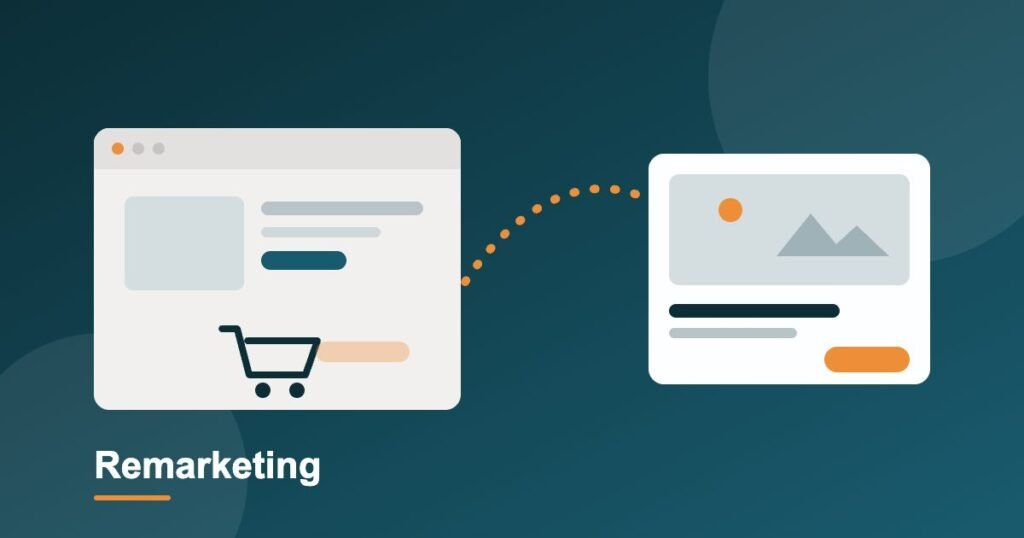
Most people who visit your website leave without enquiring or buying. That is normal, and it is also where a lot of ad budget quietly goes to waste. Remarketing is how you get a second chance with the people who already showed interest, instead of paying again to find strangers.
The trouble is that "remarketing" and "retargeting" get used as if they mean the same thing, and then agencies, platforms and blog posts each mean something slightly different. If you are a Singapore business owner trying to decide where to put a limited budget, that confusion makes it hard to brief anyone or judge a quote.
This guide gives you the plain answer. You will see what each term usually means, what changes for businesses in Singapore, how remarketing compares to cold prospecting, and how to set it up so it pays back instead of annoying people. If you want a team to run it, our remarketing service in Singapore covers the full setup.
What Is Remarketing, and How Is It Different From Retargeting?
In everyday use, the two terms overlap heavily. Both describe showing marketing to people who have already interacted with your business. The difference depends on who you ask.
Retargeting usually means ads that follow someone around after they visit your website or app. A small tag on your site marks the visitor, and an ad platform then shows them your ad on other sites, in apps, or on social feeds. If you looked at a pair of shoes and then saw those shoes on a news site, that is retargeting.
Remarketing is often used for re-engaging people through channels you own, mainly email, based on a customer list. Think of the "you left something in your basket" email or a follow-up to a past customer.
Google, however, calls its own product "remarketing" and uses the word for the ad version too. When you create an audience of past visitors in Google Ads and show them display, search or YouTube ads, Google calls that remarketing. So in a Google Ads context, remarketing and retargeting are effectively the same thing.
For your planning, the useful split is not the name. It is the source of the audience:
- Visitor-based audiences: people who visited a page, viewed a product or started a checkout.
- List-based audiences: people whose email or phone number you already hold, such as past customers or enquiries.
Pick the source first, then pick the channel. A shopper who abandoned a cart is a visitor audience. A client who bought last year is a list audience.
Remarketing vs Retargeting in Singapore: What Makes It Different
Several local factors change how you should run this in Singapore compared with a large overseas market.
Smaller audiences. Singapore is a small market, so a typical SME website does not generate huge visitor numbers. This used to be a real barrier because platforms demanded minimum audience sizes. Google has since lowered its audience minimum to 100 users across its networks, according to Search Engine Land, which makes remarketing workable for modest local sites. Smaller audiences still mean you should keep campaigns tightly focused instead of splitting traffic into many tiny lists.
PDPA and consent. Singapore's Personal Data Protection Act (PDPA) governs how you collect and use personal data. Remarketing relies on tracking tags and, for list-based audiences, on customer details. You should tell visitors you use cookies and similar tracking, make sure your privacy policy matches what you actually do, and only upload customer lists you have a lawful basis to use. If you handle sensitive customer data, talk to a data protection adviser before you build audiences.
Longer, comparison-heavy buying. Many Singapore buyers compare several providers before they enquire, particularly for B2B services, education, property, aesthetics and home services. A visitor who left your site is often still comparing, not gone. Remarketing keeps you in view while they decide.
Mobile and messaging habits. Plenty of local prospects move between a phone browser, social apps and WhatsApp. Make sure your remarketing ads and landing pages work well on a phone, and give people an easy way to reach you in the channel they prefer.
Search volume is modest. Searches for the topic itself are small in Singapore, which tells you most business owners learn about remarketing from an agency or a platform, not from searching for it. That is another reason to be clear on what you are buying before you sign anything.
How Remarketing Compares to Cold Prospecting
Cold prospecting means advertising to people who have never heard of you. Remarketing means advertising to people who already have. They do different jobs, and you usually need both.
| Cold prospecting | Remarketing | |
|---|---|---|
| Audience | Strangers who match your targeting | Past visitors or existing contacts |
| Main goal | Awareness and first visit | Enquiry, purchase or return visit |
| Typical click cost | Higher, because you compete for new attention | Often lower per conversion, because intent is warmer |
| Volume | Large reach | Limited by how many people already know you |
| Risk | Spending on people who never convert | Over-showing ads to the same small group |
| Best for | Filling the top of the funnel | Closing the gap between visit and action |
The key limit is volume. Remarketing can only reach people you have already reached. If you switch off cold campaigns and rely only on remarketing, your audience shrinks and results fade. Treat remarketing as the finishing step for traffic you already generate through Google Search ads, display advertising, YouTube ads or social campaigns.
Our work for a Singapore tour operator is a good illustration. Holiday travellers here take weeks to decide, so we paired Google Display with remarketing and YouTube remarketing to stay in front of people who had browsed tours but not booked. Over six months, bookings from display and remarketing went from 9 to 19 a month, and cost per booking fell from S$556 to S$342. You can read how it was set up in the tour operator display and remarketing case study.
How to Set Up Remarketing That Pays Back
A weak setup is why many businesses decide remarketing "does not work". These steps avoid the usual problems.
- Install tracking properly. Add your Google tag or GA4 setup so you capture the pages that matter, not just the homepage. Confirm it fires correctly before you spend anything.
- Build audiences by intent, not just by visit. Someone who viewed pricing or started a form is warmer than someone who read one blog post. Create separate audiences for product or service viewers, cart or form starters, and past customers.
- Exclude the people you do not want. Remove converters and recent buyers so you do not pay to advertise to people who already bought. Exclude your own team too.
- Set a frequency cap. Showing the same ad many times a day irritates people and wastes budget. A sensible cap protects your brand.
- Match the ad to the stage. A visitor who read an article needs a reason to come back. A cart abandoner needs a nudge, a reassurance or a clear offer. Do not send everyone the same message.
- Send people to a page built to convert. A strong ad pointing to a weak page wastes the second chance. A focused landing page usually beats the homepage.
- Add email for list-based audiences. For people who gave you their details, email marketing is a low-cost way to follow up alongside paid ads.
- Measure against real outcomes. Track enquiries, bookings and sales, not just clicks. Review results monthly and adjust the audiences.
If you want these pieces managed together, our Google Ads management in Singapore service builds remarketing into the wider campaign structure so it supports your other ad spend instead of running separately.
Frequently Asked Questions
Is remarketing the same as retargeting?
In Google Ads, yes. Google uses "remarketing" for showing ads to past visitors, which most other platforms call retargeting. Outside Google, some marketers use "remarketing" for email follow-ups and "retargeting" for ads. Ask any provider to define the term so you compare like with like.
Which should a small Singapore business start with?
Start with visitor-based remarketing on one platform, usually Google Ads, aimed at people who viewed your key service or product pages. Add list-based follow-up by email once you have a customer or enquiry list you are allowed to use.
How big does my audience need to be?
Google has lowered its audience minimum to 100 users across its networks, so small websites can run remarketing. Very small audiences still limit how much you can spend sensibly, so start with a modest budget and focus on your highest-intent visitors.
How much does remarketing cost in Singapore?
It depends on your budget, the platform and how many people are in your audience, because you pay per click or per impression. We do not quote a flat figure, since it would not reflect your situation. A common approach is to start with a modest daily budget on your warmest audience, then scale what produces enquiries. Ask for an audit of your current traffic to size it properly.
Does remarketing break the PDPA?
Not by itself, but you must handle data properly. Disclose your use of cookies and tracking, keep your privacy policy accurate, and only use customer lists you have a lawful basis to use. If you are unsure, take advice from a data protection professional.
Can remarketing work without Google Ads?
Yes. You can run it on social platforms, on YouTube, and by email. Most businesses get the best results by combining a main ad platform with email follow-up.
How long should I show ads to past visitors?
It depends on how long your buying decision takes. A quick retail purchase may only need a short window, while a B2B service with a long decision cycle may warrant a longer one. Review your own conversion timing and set the window to match.
Next Step
Remarketing is not a trick. It is a way to stop losing the visitors you already paid to attract. Decide whether your audience comes from site visits or customer lists, build separate audiences by intent, exclude buyers, cap frequency and send people to a page that converts.
If you want a clear plan for your own numbers, see our pay-per-click advertising services or talk to us about remarketing and we will look at your current traffic and tell you what is worth doing first.

Natasha Tan is the founder of Digital Marketing Singapore, a full-service SEO and digital marketing agency based in Singapore. With hands-on experience across SEO, paid media, and content strategy, she works directly with Singapore businesses to build organic visibility and generate consistent leads. Natasha specialises in the Singapore market — including local search behaviour, PDPA compliance, and government grant navigation for SMEs.