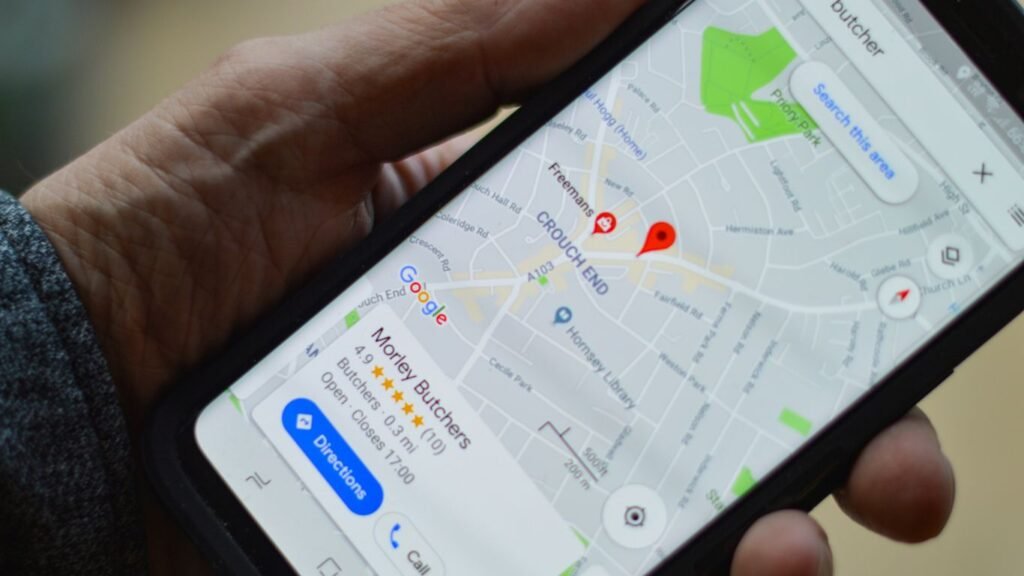
We’ve been digging into how businesses in Singapore can get noticed when people are looking for services nearby. It turns out, getting your business to show up when someone searches for ‘dentist Novena’ or ‘accounting services Singapore’ is a big deal. This whole process is called Local SEO, and it’s all about making sure you’re visible to potential customers right in your area. We’ll walk through how to make that happen, focusing on what actually works for SEO Singapore.
Key Takeaways
- Local SEO helps businesses in Singapore get found by people searching for services nearby, often appearing in the Google Local 3-Pack or map results.
- To rank well, we need to create content that’s both broad enough to be discovered and specific enough to answer customer questions directly, showing our Singapore-specific knowledge.
- Understanding local keywords, including Singlish and common phrases, and focusing on commercial intent is vital for SEO Singapore success.
- Key factors for local search include relevance, distance, prominence, and customer reviews; optimizing our Google Business Profile and building local links are important steps.
- We should also pay attention to website speed, mobile-friendliness, and using schema markup to help search engines understand our business details.
Understanding Local SEO's Role In Singapore
What Exactly Is Local SEO?
So, what’s this whole ‘Local SEO’ thing we keep hearing about? Basically, it’s all about making sure your business pops up when people nearby are looking for what you offer. Think about it: when you need a coffee shop or a plumber, you probably type something like "cafe near me" or "plumber in [your neighborhood]" into Google, right? Local SEO is our way of telling Google, "Hey, we’re right here, and we’ve got exactly what this person needs!"
It’s not just about showing up anywhere; it’s about showing up where it counts – in those search results and on Google Maps when someone is close enough to actually become a customer. We’re talking about optimizing our online presence so that when someone in Singapore searches for a service or product we provide, our business is one of the first ones they see. It’s a super practical way to connect with people who are ready to buy, right now.
The Coveted Local 3-Pack Placement
When you search for something local on Google, you’ve probably noticed that little section right at the top, often with a map and three business listings. That’s the ‘Local 3-Pack,’ and honestly, it’s like the VIP section of local search results. Getting your business listed here is a huge win because it’s the first thing most people see, and it’s above all the regular website links.
This prime real estate gives searchers immediate info like your business name, star rating, address, and opening hours. For folks on their phones, there are even handy buttons to call you directly or get directions. It’s designed to make it super easy for potential customers to connect with you. We aim to get our clients into this spot because it drives a ton of visibility and potential business.
Why Local SEO Matters For Singaporean Businesses
In a place like Singapore, where everyone’s on their phones and moving around a lot, local SEO isn’t just a nice-to-have; it’s pretty much a necessity. People are always looking for services or products right where they are, whether they’re heading to work, meeting friends, or just out and about.
Here’s why it’s so important for us:
- More Eyes on Your Business: Ranking well locally means more people in your area will see your business when they search.
- Catching People Ready to Buy: When someone searches locally, they usually have a specific need they want to fulfill soon. We want to be there when they’re ready.
- Better Results: Local searches often lead to more customers walking through the door or picking up the phone compared to broader searches.
- Getting Ahead: A lot of businesses still aren’t doing local SEO very well. By focusing on it, we can get a real advantage over the competition.
For businesses operating in Singapore, focusing on local search means tapping into a highly engaged audience that’s often just a few clicks or a short distance away from becoming a customer. It’s about being visible at the exact moment someone needs what you offer.
Crafting Content That Connects Locally
So, we’ve talked about why local SEO is a big deal here in Singapore. Now, let’s get into the nitty-gritty of creating content that actually speaks to people in our backyard. It’s not just about stuffing keywords; it’s about showing you get what Singaporean customers are looking for.
Balancing Breadth and Depth in Your Content
We see a lot of businesses trying to cover everything, but it ends up being super thin. Like, a general tip about marketing that could be for anywhere. Search engines, especially the AI ones, are getting smarter. They can tell when content is just generic fluff. The real winners are the ones who dig deep into a few core topics. Think about your main services – what are all the angles a local customer might be interested in? Instead of writing one broad post, create a whole series of posts that explore different facets of that topic. This builds what we call ‘topical authority,’ basically telling Google, ‘Hey, we’re the go-to source for this specific thing in Singapore.’
Answering Customer Questions Directly
People aren’t usually searching for vague concepts; they have problems they need solved. Your content should be the solution. Forget long, drawn-out introductions. Get straight to the point and answer the question your potential customer is typing into Google. What are their pain points? What are they struggling with? Use your website content, especially blog posts, to provide clear, actionable answers. Think step-by-step guides, direct advice, and practical tips that someone can use right away. This kind of directness is what people want, and it’s what search engines are starting to favor.
Showcasing Singapore-Specific Expertise
This is where we really shine. What makes your business unique in the Singaporean context? Are there local regulations that affect your service? Do you have a unique understanding of the local market that someone from overseas wouldn’t? Maybe it’s how you handle specific cultural nuances or adapt a global service for a Singaporean audience. Show, don’t just tell, that you have real-world experience here. Include case studies of local clients, talk about projects you’ve completed in specific Singaporean neighborhoods, or explain how local conditions impact your work. This kind of detail is gold. It proves you’re not just another business; you’re a Singaporean business that understands Singaporean needs.
Navigating Singapore's Unique Search Landscape
When we talk about local SEO in Singapore, it’s not quite the same as what you might find in, say, the US or Europe. We’ve got our own quirks and characteristics that really shape how people search and how Google shows results. It’s a bit like trying to find your way around the CBD during rush hour – you need to know the shortcuts and the busy spots.
Local SEO Versus International SEO For Singapore
Think of it this way: international SEO is like trying to be famous worldwide. You want everyone, everywhere, to know your name. Local SEO, on the other hand, is about being the go-to person in your specific neighborhood, or in our case, your specific city. For us in Singapore, this means focusing on searches that show someone is looking for a service here, right now. Someone searching for "aircon repair" in London isn’t looking for us, but someone searching "aircon repair Novena" definitely is. We don’t need to worry as much about ranking for people in Malaysia or Indonesia unless that’s a specific business goal. Our focus is on the person physically here, looking for something nearby.
Understanding Local Keyword Nuances
Keywords are where things get interesting. While English is common, Singaporeans also use a mix of Singlish, Mandarin, and other local dialects when they talk and search. Traditional keyword tools might miss these. We’ve found it’s way more effective to listen to how our actual customers talk about their problems and what they need. What terms do they use? How do they describe what they’re looking for? For example, instead of just "plumber," someone might search "fix leaky pipe," or even use a more colloquial term. We need to match their language, not the other way around.
Prioritizing Commercial Intent Keywords
This is a big one. When people search, their intent – what they want to do – is super important. There’s a difference between someone searching "what is accounting" and someone searching "accounting services Singapore price." The first person is just curious, and Google will likely give them an answer directly. The second person is looking to hire someone. These are commercial intent keywords. For local SEO in Singapore, we want to rank for these. Why? Because when someone searches with commercial intent, Google is more likely to show them a list of businesses that can help, like the Local 3-Pack or other prominent map results. We’re aiming to be on that list when someone is ready to buy.
We’ve noticed that content answering specific questions with clear solutions performs best. Generic advice just doesn’t cut it anymore. People want to know how you can solve their problem, right here in Singapore. Showing that local know-how is key.
Key Factors For Local Search Dominance
So, how do we actually get our business to show up when people in Singapore are looking for what we offer? It really boils down to a few main things that Google looks at. Think of it like this: Google wants to show the best, most relevant, and closest options to the person searching.
Relevance, Distance, and Prominence Explained
These three are the biggies. Relevance means how well your business listing and website match what the person typed into Google. If someone searches for "best durian stall," and your listing talks all about durians and your location, that’s relevant.
Then there’s Distance. This one’s pretty straightforward – how far away are you from the person searching? If they’re in Tampines and you’re in Jurong, Google will likely show businesses closer to Tampines first, assuming everything else is equal.
Finally, Prominence. This is about how well-known your business is. It’s not just about how many people know you exist, but how much information Google has about you across the web. This includes things like links from other reputable Singaporean websites, mentions in local news, and how often you appear in online directories. The more signals Google gets that you’re a legitimate and well-regarded business, the higher you’ll likely rank.
The Power Of Customer Reviews
Customer reviews are a massive deal. Seriously, they’re like digital word-of-mouth. Google pays close attention to both the number of reviews you have and your average rating. Businesses with lots of positive reviews tend to rank higher because, well, Google wants to recommend places that other people have had good experiences with. It’s not just about getting reviews, though; it’s also about how you respond to them. Engaging with both positive and negative feedback shows you care about your customers and are actively managing your online reputation.
Here’s a quick look at what makes reviews so important:
- Trust Factor: Positive reviews build confidence for potential customers.
- Ranking Signal: More and better reviews often mean a higher spot in local search results.
- Feedback Loop: Reviews give you direct insights into what you’re doing well and where you can improve.
Beyond The 3-Pack: Expanded Map Results
We all know the "Local 3-Pack" – those top three listings with the map. It’s the dream, right? But in a busy place like Singapore, getting into that top spot can be tough. Don’t get discouraged if you’re not there yet. Often, a more realistic goal to start with is ranking well in the expanded map results. This is the longer list of businesses that appears when people click "More places" or when the initial 3-Pack isn’t enough.
Many Singaporean customers are super thorough. They’ll often scroll through several options, comparing prices, services, and especially reviews, before they decide. So, even if you’re not in the top three, appearing prominently in the expanded list is a huge win. It means people are seeing your business, considering you, and are more likely to click to call or get directions.
Think of it as building your authority. Every step up in the expanded map results gets you more visibility and moves you closer to potentially breaking into the 3-Pack later on. Plus, these map rankings can change depending on where someone is searching from within Singapore, so consistent effort is key.
Actionable Steps To Boost Your Local Rankings

Alright, so we’ve talked about why local SEO is a big deal here in Singapore. Now, let’s get down to business. What can we actually do to climb those search results and get noticed by people looking for what we offer, right now?
Optimizing Your Google Business Profile
Think of your Google Business Profile (GBP) as your digital storefront. It’s the first thing people see when they search for businesses like yours nearby. Getting this right is non-negotiable.
Here’s what we need to focus on:
- NAP Consistency: Make sure your business name, address, and phone number are exactly the same everywhere online – your website, your GBP, and any other directory. Google really hates mixed signals here.
- Categories: Pick the most specific categories for your business. If you’re a "bakery," that’s good, but if you’re a "French bakery in Singapore," try to get as specific as possible.
- Photos & Videos: Upload high-quality pictures of your shop, your products, your team. Show people what you’re all about. Videos can be even more engaging.
- Posts & Updates: Regularly share updates, offers, or news through GBP posts. It shows Google you’re active and keeps your listing fresh.
- Reviews: This is huge. Encourage happy customers to leave reviews and, importantly, respond to all of them, good or bad. It shows you care and are engaged.
Strategic Local Linkbuilding Tactics
Links from other local websites act like votes of confidence for Google. They tell the search engine that you’re a legitimate part of the Singaporean community.
- Local Directories: Get listed in relevant Singaporean directories. Think beyond just the big international ones. Are there industry-specific ones? Local chamber of commerce sites? Even neighbourhood guides can be gold.
- Local Partnerships: If you partner with other local businesses, see if you can exchange links or get featured on their blogs or websites.
- Local Media & Bloggers: Reach out to local news outlets or bloggers who cover your industry or local events. Getting a mention or a link from them can be incredibly powerful.
Building local links isn’t just about getting a number up; it’s about showing Google you’re a trusted, active player in the local scene. Think quality over quantity here.
Leveraging Google Ads for Quick Wins
While SEO is a marathon, sometimes you need a sprint. Google Ads can give you that immediate visibility, especially when you’re just starting out or facing super tough competition.
- Targeted Campaigns: Use location targeting to make sure your ads only show up to people in Singapore, or even specific neighbourhoods you serve.
- Ad Extensions: Make sure to use location extensions. This pulls your address and map information directly into your ad, making it super easy for people to find you.
- Call Extensions: For businesses where a phone call is the primary goal, add call extensions so people can call you directly from the ad.
It’s a way to get your business in front of high-intent searchers today, while your organic SEO efforts build up over time.
Technical Foundations For Local Success

Okay, so we’ve talked about content and keywords, but what about the nuts and bolts of your website? If your site is slow or a pain to use on a phone, all that great content might go to waste. People in Singapore are busy, and they’re often searching on the go. If your site takes too long to load, they’ll just tap back and find someone else. Seriously, it happens that fast.
Prioritizing Website Speed And Mobile Friendliness
Think about it: how many times have you given up on a website because it was just too slow? We probably all have. Google notices this too. They want to show people the best, most user-friendly results, and that means fast, mobile-friendly sites. It’s not just about looking good on a desktop anymore; most local searches happen on smartphones. We need to make sure our sites work perfectly on those smaller screens.
- Check your site’s speed: Use tools like Google’s PageSpeed Insights. It’s free and tells you where you’re falling short.
- Test on different devices: See how your site looks and feels on various phones and tablets.
- Optimize images: Big image files can really slow things down. Compress them before uploading.
Implementing Local Business Schema Markup
This sounds a bit techy, but it’s pretty important. Schema markup is like a special code that helps search engines understand exactly what your business is about. It tells Google your name, address, phone number, and opening hours in a clear, organized way. This reduces the chances of Google getting confused and helps you show up in those fancy search result snippets.
We can add this code ourselves, or sometimes website builders have plugins that make it super easy. It’s worth looking into because it can really help Google connect the dots about your local business.
Addressing Common Technical SEO Pitfalls
Beyond speed and mobile, there are a few other technical things that can trip us up. Broken links, for example, are a big no-no. They frustrate users and tell Google your site isn’t well-maintained. Also, make sure your website structure makes sense. Can people easily find what they’re looking for? Is your contact information clear and easy to find on every page?
- Fix broken links: Regularly check for and repair any dead links on your site.
- Clear navigation: Ensure your website menu is logical and easy to use.
- Consistent NAP: Make sure your Name, Address, and Phone number are the same everywhere online.
Measuring Your Local SEO Impact
So, we’ve put in the work, right? We’ve tweaked our Google Business Profile, built some local links, and hopefully, our website is zipping along. But how do we actually know if any of it is working? It’s like baking a cake – you can follow the recipe, but you don’t really know if it’s good until you taste it. For our local SEO efforts, that ‘taste test’ comes from looking at the data.
Tracking Key Customer Interaction Metrics
This is where we see how people are actually finding and interacting with us. We’re not just guessing anymore. We’re looking at things like:
- Website Visits: Are more people landing on our site, especially from local searches? Tools like Google Analytics can show us traffic sources and geographic data.
- Google Business Profile Insights: This is gold. We can see how many people found us through search, how many clicked for directions, how many called us directly from our listing, and even how many visited our website from the profile.
- Phone Calls & Direction Requests: These are direct indicators of intent. If we’re seeing more calls or people asking for directions, our local SEO is doing its job.
- Local Keyword Rankings: Are we showing up higher when people search for terms like "plumber near me" or "best cafe in Orchard Road"? We can use tools like Semrush or Ahrefs to keep an eye on this.
It’s all about seeing if our online presence is translating into real-world interest.
Calculating Return On Investment For SEO
Okay, so we know what’s happening, but is it worth it? This is where we get down to the nitty-gritty of ROI. We need to figure out if the time and money we’re spending on local SEO is actually bringing in more business than it costs.
Here’s a simple way to think about it:
- Track Leads/Sales from Local Search: This can be tricky, but we can ask new customers how they found us, or use specific tracking numbers for local campaigns.
- Calculate the Value of Each Lead/Sale: What’s the average amount a new customer spends with us?
- Compare Costs to Revenue: Add up all our local SEO expenses (tools, agency fees, time spent) and compare that to the revenue generated from those local leads.
We’re essentially trying to answer: for every dollar we put into local SEO, how many dollars are we getting back in return? It might not be an exact science, especially with brand awareness, but getting a ballpark figure helps us justify the effort and see where we can improve.
It might seem like a lot of numbers, but honestly, it’s the best way to know if our local SEO strategy is actually paying off for our business here in Singapore.
Want to know if your local SEO efforts are actually working? It’s important to track how your business shows up in local searches. This helps you see what’s bringing customers to your door. Ready to boost your local visibility and get more customers? Visit our website today to learn how we can help!
So, What's the Takeaway?
Alright, we’ve gone over a lot of ground here about getting your Singapore business seen by local customers online. It really boils down to making sure Google knows who you are, where you are, and why you’re the best choice for people searching nearby. We talked about getting your Google Business Profile sorted, making sure your website talks about your services clearly, and getting those good reviews. It’s not just about keywords; it’s about showing up when it counts. If you put in the work consistently, you’ll start seeing more people find you when they’re actually looking to buy. It takes time, sure, but building that local presence online is totally worth it for growing your business right here in Singapore.
Frequently Asked Questions
What exactly is local SEO and why should we care about it in Singapore?
Local SEO is basically making our business show up when people search for stuff nearby, like ‘cafe near me’ or ‘mechanic in Jurong.’ In Singapore, where everyone’s always on their phones looking for things, it’s super important because it helps customers find us when they’re ready to buy or visit, not just when they’re browsing.
What's this 'Local 3-Pack' thing I keep hearing about?
The ‘Local 3-Pack’ is that special spot right at the top of Google search results, usually with a map. It shows the top three businesses Google thinks are the best match for a local search. Getting into this pack is like winning the lottery for local businesses because it gets us tons of attention.
How is local SEO different from regular SEO for businesses in Singapore?
Regular SEO tries to get us found by anyone, anywhere. Local SEO is all about getting found by people right here in Singapore, or even in our specific neighborhood. We focus on local keywords and making sure Google knows we’re a real business in a real place here.
What kind of content should we create to rank well locally?
We should make content that really answers people’s questions and shows we know our stuff about Singapore. Think about what our customers ask us every day and write blog posts or service pages that give them clear, helpful answers. It’s better to be super helpful on a few topics than just okay on a lot.
How important are customer reviews for our local search ranking?
Reviews are a big deal! They’re like votes of confidence from real customers. The more good reviews we have, and the higher our rating, the more Google trusts us and is likely to show us to other people searching locally.
How long does it usually take to see results from local SEO efforts?
It can take a little while, maybe a few months to see big changes, especially if our competition is tough. But if we consistently create great content and manage our online presence well, we can start seeing improvements in our visibility and customer inquiries much sooner.
Ready to put this into practice for your Singapore business?
The brands that compound results year after year are the ones that integrate paid, organic, and creative work into a single plan. Each channel feeds the next: paid search validates which keywords convert, social media marketing builds the brand recognition that lifts conversion rates, the website becomes the conversion engine, and high-quality creative production keeps the inventory of assets fresh enough to feed all of it. When these channels report into the same dashboard, marketing investments stop competing against each other and start compounding.
A common pattern we see with Singapore SMEs is treating each marketing channel as a separate experiment with a separate timeline. The result is fragmented attribution, duplicated work, and a slower path to ROI. The fix is straightforward but requires discipline: define one customer journey across channels, build one source of truth for performance data, and resource each channel based on what the journey actually needs.
That’s the model we apply for our clients, and it’s the same model the brands ranking on page one of Google for competitive Singapore keywords use to maintain their position. If you’d like to talk through how this could work for your business, get in touch — we’ll start with a clear-eyed look at your current marketing performance and where the biggest compounding opportunities sit.

Natasha Tan is the founder of Digital Marketing Singapore, a full-service SEO and digital marketing agency based in Singapore. With hands-on experience across SEO, paid media, and content strategy, she works directly with Singapore businesses to build organic visibility and generate consistent leads. Natasha specialises in the Singapore market — including local search behaviour, PDPA compliance, and government grant navigation for SMEs.