We all want our online shops to do well, right? It feels like there’s always something new to learn when it comes to making our Ecommerce Site Design work harder for us. We’ve been digging into what really makes a difference, and it turns out a few key things can seriously boost how many people actually buy something. It’s not just about looking pretty; it’s about making it easy and trustworthy for shoppers. Let’s break down some of the best ways we can make our sites convert better.
Key Takeaways
- Making sure your site works perfectly on phones first is a big deal. Most people shop on their devices, so if it’s clunky there, you’re losing out.
- People need to be able to find what they want and buy it without a hassle. Think simple menus and a checkout that doesn’t make them want to leave.
- Showing off your products with great pictures and letting customers know others trust you really helps seal the deal. Fast loading times and a bit of personalization go a long way too.
Crafting A User-Centric Ecommerce Site Design
When we build an online store, the first thing we think about is making it work for the people who will actually use it. It’s not just about looking pretty; it’s about making shopping easy and enjoyable. If people can’t find what they want or get frustrated trying to buy it, they’ll just leave. That’s why we focus on designing from the user’s perspective.
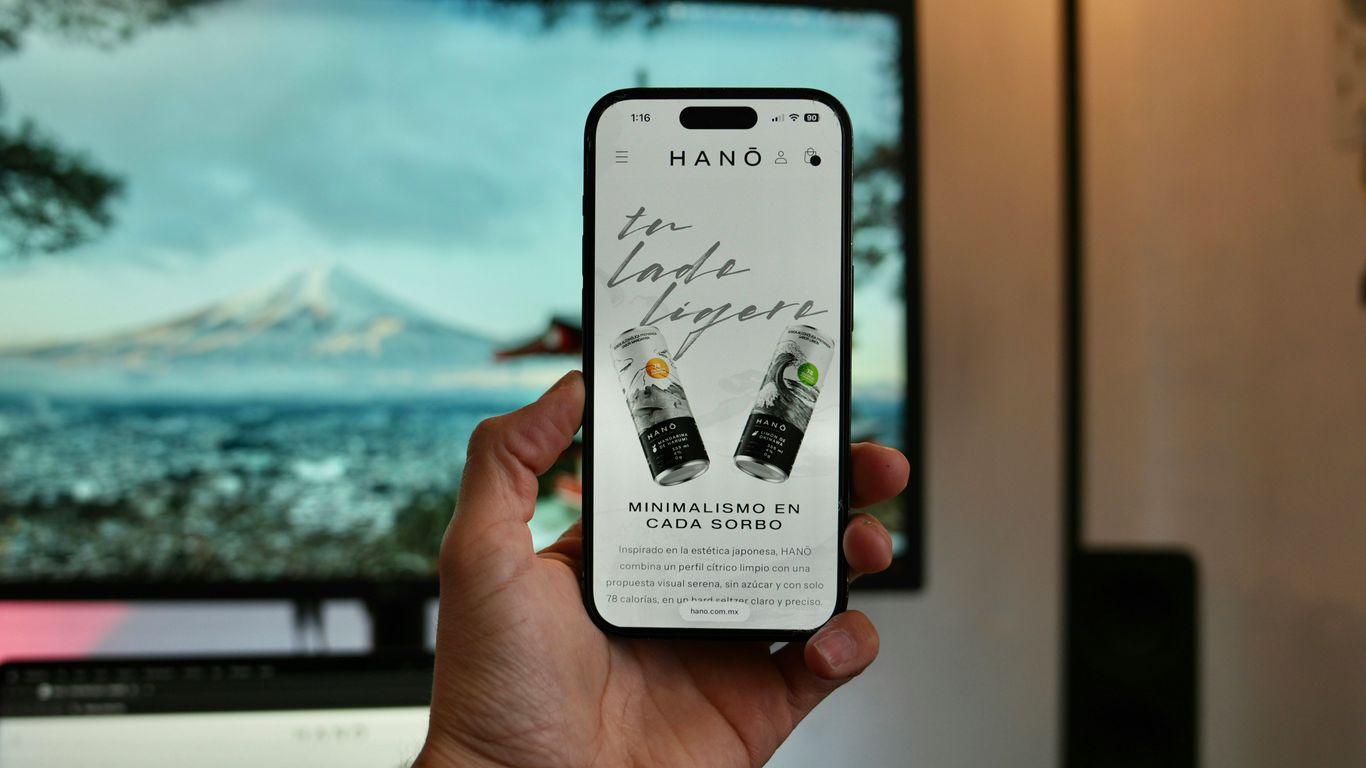
Let’s face it, most people shop on their phones these days. If your site isn’t great on a small screen, you’re missing out. We make sure everything looks good and works smoothly on phones and tablets first, then scale it up for desktops. This means buttons are easy to tap, text is readable, and pages load fast, no matter the device. It’s about meeting customers where they are.
Simplify Navigation and Checkout Processes
Nobody likes getting lost or stuck in a complicated checkout. We aim for clear menus and a search bar that’s easy to spot. Finding products should be straightforward. When it’s time to pay, we strip away all the unnecessary steps. A smooth checkout is key to turning browsers into buyers.
- Organized Categories: Grouping products logically makes them easier to find.
- Clear Menus: Simple, descriptive labels help users know where to go.
- Visible Search Bar: A prominent search function is a lifesaver when browsing gets tricky.
- Streamlined Checkout: Cut down on form fields and offer guest checkout options.
We want the shopping experience to feel natural, not like a chore. If it’s confusing, people will go elsewhere. Think about how you feel when you can’t find what you need quickly – it’s annoying, right? We try to avoid that feeling for our customers.
Making sure your site is easy to use on mobile is super important, and so is making sure people can find what they need. If you’re looking for ways to improve your local online presence, check out local SEO services in Singapore.
Enhancing Visual Appeal and Trust in Ecommerce
When people shop online, they can’t touch or feel the products. That’s where great visuals and trust signals come in. We need to make our site look good and feel safe so customers feel confident buying from us.
Leverage High-Quality Product Visuals
Think about it: you’re scrolling through products, and some pictures are blurry or taken from a weird angle. It’s a total turn-off, right? We’ve got to show off our products in the best light possible. This means using clear, sharp photos and videos. Let customers zoom in to see the details, and show the item from every angle. If it’s something like clothing, show it on a model. For electronics, show the ports and buttons. If you can, a short video showing the product in action can be a game-changer.
Here’s what makes product visuals work:
- Crystal-clear photos: No pixelation, good lighting.
- Multiple angles: Show the front, back, sides, and any important details.
- Zoom functionality: Let users get up close and personal.
- Product videos: A quick demo can answer a lot of questions.
Build Credibility with Social Proof and Trust Signals
People are naturally a bit wary when buying online. They want to know if they can trust us and if others have had good experiences. That’s where social proof and trust signals really help.
- Customer Reviews and Ratings: Let happy customers share their thoughts. Honest reviews, good and bad, build trust. Make sure they look real, not fake.
- Testimonials: Short quotes from satisfied customers can be very persuasive.
- Trust Badges: Displaying security seals (like SSL certificates) and logos of trusted payment providers shows we take security seriously.
- Clear Return Policy: Having an easy-to-find and understand return policy reduces risk for the buyer.
We want our customers to feel secure and confident throughout their shopping journey. It’s not just about looking good; it’s about building a relationship based on trust. When people see that others have had positive experiences and that we’re a legitimate, secure business, they’re much more likely to click that ‘buy’ button.
Optimizing for Performance and Engagement

Ensure Lightning-Fast Load Speeds
We all know that feeling, right? You click on a link, and then you just wait. And wait. If your site takes too long to load, people will just leave. It’s that simple. We’ve seen studies showing that even a one-second delay can make a big difference in how many people stick around. So, making sure your pages load super fast is a really big deal for keeping shoppers on your site and getting them to buy.
Think about it: if your product pages or checkout process are sluggish, customers get frustrated. They might think your whole business is slow or unreliable. We want them to feel like things are moving along smoothly, not like they’re stuck in traffic.
Here are a few things we can do to speed things up:
- Compress images: Big image files are often the biggest culprits for slow loading. We can use tools to make them smaller without making them look bad.
- Use browser caching: This lets a visitor’s browser save parts of your site so it loads faster the next time they visit.
- Minimize code: Cleaning up our website’s code (like HTML, CSS, and JavaScript) can shave off precious milliseconds.
- Choose good hosting: The server your website lives on matters. A better host means a faster site.
Speed isn’t just about making things look good; it’s about making them work well. When your site is fast, it feels professional and trustworthy. People are more likely to complete their purchase when they don’t have to wait around.
Personalize the Shopping Journey
People like it when things feel like they’re made just for them. That’s where personalization comes in. It’s about showing shoppers products or content that we think they’ll actually be interested in, based on what they’ve looked at before or what similar people like. This makes their shopping experience feel more relevant and less like a generic catalog.
When we show someone items that match their style or past purchases, they’re more likely to find something they want to buy. It cuts down on the time they spend searching and makes them feel understood. This can really boost how many people end up buying something.
We can personalize in a few ways:
- Product recommendations: Showing "Customers who bought this also bought…" or "You might also like…" sections is a classic. It works because it helps people discover more things they might love.
- Tailored content: If someone has looked at hiking gear, maybe we show them blog posts about hiking trails or new camping equipment on their next visit.
- Personalized emails: Sending emails with deals on products they’ve viewed or wishlisted can bring them back to the site.
Making the shopping experience feel unique to each visitor is a powerful way to keep them engaged and encourage them to complete a purchase. It’s like having a helpful store assistant who knows what you’re looking for, even before you do.
Making your website fast and keeping people interested is super important. When your site loads quickly and users enjoy their time there, they’re more likely to stick around and come back. This means more people see what you have to offer and are more likely to become customers. Want to see how we can speed up your site and make it more engaging for visitors? Visit our website today to learn more!
Wrapping It Up
So, we’ve gone over a bunch of ways to make your online store work better for getting people to buy stuff. It’s not just about making things look pretty, though that helps. It’s really about making it easy for folks to find what they want, trust you, and then actually click that buy button without any hassle. Think about how things look on phones, how fast your pages load, and if your buttons are clear. Little changes can make a big difference. We hope this helps you make your site convert more visitors into happy customers. Happy selling!
Frequently Asked Questions
Why should we focus on making our online store look good on phones first?
Lots of people shop on their phones these days, like more than half of everyone online! So, if our site doesn’t work great on a small screen, we’re missing out on a ton of shoppers. It’s easier to make it look good on a phone and then adjust it for computers, rather than the other way around.
How do good pictures help us sell more stuff online?
Since folks can’t touch or hold products when they shop online, awesome pictures and videos are super important. If we show clear, detailed photos that let people zoom in and see things from all sides, they’ll feel more confident about buying. It’s like giving them a better look at what they’re getting.
What's the deal with making our website load super fast?
Nobody likes waiting around for a website to load! If our site is slow, people will get annoyed and leave, meaning we lose a sale. Making our pages load really quickly keeps shoppers happy and makes them more likely to stick around and buy what they want.
Digital Marketing Singapore provides a full suite of services – including website design, SEO Singapore, social media marketing, PPC advertising – to help Singapore businesses drive measurable growth online.

Natasha Tan is the founder of Digital Marketing Singapore, a full-service SEO and digital marketing agency based in Singapore. With hands-on experience across SEO, paid media, and content strategy, she works directly with Singapore businesses to build organic visibility and generate consistent leads. Natasha specialises in the Singapore market — including local search behaviour, PDPA compliance, and government grant navigation for SMEs.