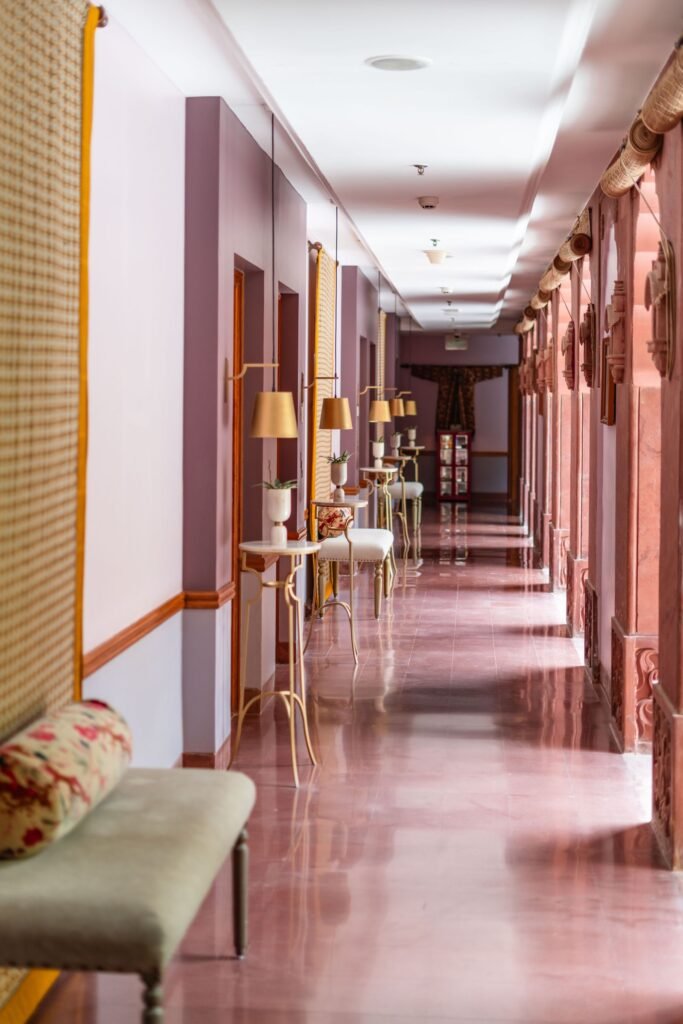
For interior design firms operating in Singapore, the strength of a completed project is often judged less by the space itself and more by how well that space is captured in photographs. Interior design photography Singapore studios commission today does far more than create a nice picture for a website. It is often the single asset that determines whether a prospective client, an editor, or an awards panel takes a project seriously. Because this industry runs almost entirely on portfolios and referrals rather than paid advertising, the quality of a firm's photography library tends to shape its reputation just as much as the design work itself does. This guide walks through what a professional shoot involves, what it tends to cost in Singapore, how to brief a photographer so the images are actually usable, and where the resulting photos should end up once the shoot wraps.
Why Professional Photography Matters for Interior Design Firms in Singapore
Interior design is a highly visual, trust based industry. Prospective clients rarely commission a full renovation or fit out based on a phone call alone, they want to see finished work, and they want that work to look as considered as the pitch the studio just gave them. A portfolio of dim, poorly composed photos taken quickly on a smartphone undercuts even excellent design work, while a modest project shot well can look far more impressive than it might in person. Professional photography is the bridge between the work a studio actually does and how that work is perceived by everyone who never sets foot in the finished space.
In our experience working with design studios and architecture firms across Singapore, the firms that win the most referral business are rarely the ones with the biggest budgets. They are the ones whose portfolio photography consistently looks like it belongs in a magazine, because in a market where design quality between competitors is often genuinely close, photography quality becomes one of the clearest differentiators a prospective client can see before ever meeting the team.
There is also a search visibility angle that many design firms overlook. A firm with strong photography has far more material to work with for its website, its blog, and its social channels, all of which support a stronger search engine optimisation strategy over time. Search engines and prospective clients alike respond to a site that looks current, well maintained, and full of genuine project imagery rather than stock photography or renders standing in for real, completed work.
The Main Types of Interior Design Photography Shoots
Not every project needs the same kind of shoot. Before booking a photographer, it helps to understand the main categories of interior design photography available in Singapore, since the right choice depends on budget, the purpose of the images, and how the project will ultimately be used.
Single Room or Portfolio Shoots
A single room or portfolio shoot is the most common starting point for smaller studios, or for firms that want to document one standout space rather than an entire project. This kind of shoot usually focuses on one or two rooms, often a living room, a kitchen, or a distinctive feature such as a custom staircase or a statement lighting installation. It is a practical option when budget is limited, or when only part of a larger project photographs well. Because the scope is narrow, turnaround is usually fast, and the cost per image tends to be higher than a full shoot simply because there is less to spread the photographer's setup time across. For studios building a portfolio from scratch, a series of single room shoots across several completed projects can be a more affordable way to build a strong image library over time than committing to full project shoots for every job.
Full Project Reveal Shoots
A full project reveal shoot covers an entire completed space, from the entrance through every major room, and is typically what a studio commissions for a flagship project intended for its website hero pages, awards submissions, or press outreach. These shoots take considerably longer on site, often a full day for a landed home or a mid sized commercial fit out, because the photographer needs to plan the sequence of rooms around the best available light at different times of day. Full project shoots also tend to produce far more usable images per project, which makes them efficient in terms of cost per photo even though the total invoice is higher than a single room shoot. Our clients who invest in a full reveal shoot for signature projects generally find the resulting image library gets reused for years, across pitch decks, the website portfolio, and later marketing campaigns.
Styled Lifestyle Shoots
A styled lifestyle shoot goes a step further than documenting the space as built. It introduces props, soft furnishings, tableware, plants, and sometimes models, to make a space feel lived in rather than staged for a real estate listing. This style of photography is particularly popular with furniture and homeware brands, boutique hospitality projects, and design studios that want their portfolio to feel aspirational rather than purely technical. Styling for this kind of shoot takes considerably more preparation than a standard reveal shoot, since someone needs to source props, arrange them convincingly, and often reset the styling between different angles of the same room. The additional preparation time is usually reflected in both the price and the timeline, but the resulting images tend to perform particularly well on social media and in editorial features, where a sense of atmosphere matters as much as documentation of the design itself.
Video Walkthroughs
A growing number of design firms are pairing still photography with a short video walkthrough of the finished space, either as a standalone add on or bundled into the same shoot day. A walkthrough video gives prospective clients a much better sense of scale, flow, and how spaces connect to one another than still photography alone can communicate, and it tends to perform well when shared on social media or embedded on a project page. For larger reveals, some studios also commission event videography to cover a launch event or an open house tied to the completed project, capturing both the space and the reception it receives from clients and guests on the day.
Comparing Shoot Types at a Glance
The table below gives a general sense of how these shoot types typically compare in Singapore, though actual pricing always depends on project size, location, and how much styling is involved.
| Shoot Type | Typical Price Range (SGD) | Typical Turnaround |
|---|---|---|
| Single room portfolio shoot | SGD 400 to SGD 900 | 3 to 5 working days |
| Full project reveal shoot | SGD 1,200 to SGD 3,500 | 5 to 10 working days |
| Styled lifestyle shoot | SGD 1,800 to SGD 4,500 | 7 to 12 working days |
| Video walkthrough add on | SGD 800 to SGD 2,500 | 7 to 14 working days |
What Actually Happens During a Shoot
Understanding what a shoot day, or shoot days for larger projects, actually involves helps a design firm plan realistically and avoid the most common causes of delay or disappointing results.
Styling and Preparation
Before any camera comes out, the space needs to be prepared. This usually means removing personal items, packaging, tools, and anything left over from the handover process, then making small adjustments such as straightening cushions, adjusting furniture angles, and adding finishing touches like fresh flowers or folded linens. Larger projects sometimes bring in a dedicated stylist for this stage, particularly for styled lifestyle shoots, while smaller portfolio shoots often rely on the design team itself to tidy the space in the hours before the photographer arrives. We typically advise clients to treat this preparation stage as seriously as the shoot itself, since even a technically excellent photographer cannot fully compensate for a cluttered or unfinished looking room.
Timing and Natural Light
Singapore's light changes quickly and dramatically over the course of a day, and interiors with large windows or glass facades are especially sensitive to the direction and intensity of sunlight at different hours. Photographers generally plan a shooting sequence around which rooms face which direction, often prioritising west facing rooms for late afternoon and east facing rooms for the morning, so that natural light complements rather than competes with the space's designed lighting scheme. Overcast days are sometimes preferred for certain interiors because diffused light produces more even results indoors, while a bright, clear sky can create harsh contrast between a sunlit window and a dim interior. In our experience, the single biggest factor separating an average interior shoot from an excellent one is not the camera or lens used, but how carefully the shoot schedule accounts for how light will behave in each room at the time it is actually photographed.
Equipment and Technical Approach
Interior photographers generally work with wide angle lenses to capture a sense of a room's full proportions, though a skilled photographer avoids the kind of extreme distortion that makes a small room look artificially large or a straight wall look curved. Tripods are standard, both for stability in lower light and to allow multiple exposures of the same frame to be blended later for balanced lighting between bright windows and darker interior areas. Many photographers also bring portable lighting to supplement natural light or the room's own fixtures, particularly for evening shots or windowless spaces such as bathrooms and internal corridors. None of this equipment matters much, however, if the photographer does not understand the design intent behind a space, which is why briefing and communication before the shoot matter as much as the gear used on the day.
Post Production and Editing
Once the shoot wraps, the real work of turning raw files into finished images begins. This typically includes correcting perspective distortion so vertical lines appear straight, blending multiple exposures for balanced light between windows and interiors, adjusting colour temperature so materials and finishes read accurately, and light retouching to remove small imperfections that were not practical to fix on site. Editing timelines vary depending on the number of final images required and how much retouching each one needs, and it is one of the areas where design firms should set clear expectations upfront rather than assuming a quick turnaround. We recommend agreeing on both the number of final edited images and a realistic delivery date before the shoot takes place, since editing bottlenecks are one of the most common sources of frustration once a marketing deadline is approaching.
How to Brief a Photographer So You Get Usable Images
The single biggest factor in whether a shoot delivers useful images is not the photographer's raw talent but how clearly the design firm communicates what it needs before the camera arrives. A strong brief typically covers several things, a prioritised shot list identifying the rooms or design elements that matter most, reference images showing the visual style the firm wants, confirmation of who is responsible for styling the space beforehand, and clear agreement on usage rights, particularly if the images may later be used for press, awards submissions, or paid advertising rather than just the firm's own website and social channels.
Our team also encourages clients to think beyond the shoot itself and consider how the final images will actually be used. If a project is being submitted for a design award, the photographer needs to know the required resolution and file format well in advance, since some submissions have technical requirements that are not compatible with typical web ready exports. If images are destined for print collateral such as a company brochure or a trade show display, the photographer needs to shoot with higher resolution and different framing considerations than would be needed for a website gallery or a social media post. Firms that also plan to pair photography with written project descriptions for their website or a design publication often benefit from looping in a copywriting resource early, so that captions, project narratives, and photography are developed together rather than as two disconnected afterthoughts.
Common Mistakes Design Firms Make When Commissioning Photography
A common mistake is scheduling a shoot the moment a project is physically complete, treating the handover date as the natural trigger for booking a photographer. In reality, styling, lighting conditions, and even the weather outside a window all affect how a space photographs, so timing needs to be planned deliberately rather than reactively. A space photographed the day after handover, with construction dust still settling and styling only half finished, rarely represents the project as well as the same space photographed two or three weeks later, once everything has settled into place.
Another frequent issue is under preparing the space itself. Leaving personal items, leftover packaging, or unfinished styling elements in frame either compromises the final images or forces a costly reshoot later. We noticed this pattern repeatedly when reviewing portfolios for design firms, projects with genuinely strong design work were let down by photography taken in a rush, before the space was actually ready to be documented properly. A third common issue is failing to agree on a shot list in advance, which often results in a photographer capturing generic wide shots of a room while missing the specific joinery detail, lighting fixture, or material junction the designer actually wanted highlighted for a portfolio or awards entry.
Where the Photos Actually Get Used
A shoot is only worth the investment if the resulting images actually get put to work across every channel where prospective clients, editors, and award panels might encounter the firm.
Website Portfolio
The firm's own website is usually the primary home for interior design photography, and it deserves the highest resolution, best sequenced images from any shoot. A portfolio page that loads slowly or compresses images into a generic template undermines even the strongest photography, which is why many design firms pair a fresh photography investment with an update to their website design, ensuring the site itself is built to showcase large, high resolution imagery properly rather than squeezing it into a layout designed for a different kind of content.
Social Media
Photography also feeds directly into a firm's ongoing social media marketing, where consistent, well composed imagery builds recognition over time far more effectively than sporadic, inconsistent posting. A single shoot can typically be repurposed into dozens of individual social posts across different angles, detail shots, and before and after comparisons, which makes the cost per usable social asset considerably lower than it first appears when looking only at the shoot invoice.
Awards and Publications
Beyond marketing, strong photography is often essential for submitting projects to design awards or getting featured in design publications, both of which can be valuable sources of credibility and referral business. These submissions typically have specific technical requirements around resolution and sometimes framing or aspect ratio, so it is worth confirming with a photographer upfront whether a shoot will produce files suitable for these purposes rather than discovering limitations after a submission deadline has already passed.
Print Collateral
Even in an increasingly digital industry, many design firms still rely on printed collateral such as company brochures, trade show displays, or leave behind materials for client meetings. Print reproduction generally demands considerably higher resolution files than anything used online, and colours that look accurate on a screen do not always reproduce the same way on a printed page, so it is worth flagging any planned print use to the photographer before the shoot rather than after files have already been delivered at web resolution.
Building an Ongoing Content Pipeline Instead of One Off Shoots
Many design firms treat photography as a one off expense tied to a single flagship project, then go quiet for a year or more until the next major job is complete. A more effective approach, and one we advise clients to move toward once budget allows, is treating photography as an ongoing pipeline rather than a series of isolated events. This usually means scheduling a shoot for every completed project above a certain size, rather than only the occasional standout, and building a habit of documenting work in progress moments alongside the final reveal.
An ongoing pipeline also supports a stronger content marketing strategy, since a steady supply of fresh, real project imagery gives a firm far more to work with for blog posts, case studies, and newsletters than relying on the same handful of hero shots for years at a time. Pairing this with dedicated content creation support helps design firms turn each shoot into a genuine content calendar rather than a single burst of activity that fades within a few weeks of the shoot date.
For example, one Singapore interior design studio we worked with waited until golden hour to shoot a living room with a west facing window, which completely changed how the space read in photos compared to an earlier attempt shot at midday. That single decision, made as part of a more deliberate ongoing photography schedule rather than a rushed one off booking, produced the studio's most shared portfolio image of the year.
Field Notes
In our reviews of interior design and architecture firm websites across Singapore, a good number, often somewhere around 50 percent, were still relying mainly on phone photos or unedited renders for their strongest completed projects, rather than professional photography. That gap tends to be the easiest, and often the cheapest, improvement a design firm can make to how it presents itself online, since a single well planned shoot can often replace years of inconsistent phone photography across an entire portfolio.
Frequently Asked Questions
How much does interior design photography cost in Singapore?
Pricing varies widely depending on the type of shoot, but as a general guide, a single room portfolio shoot typically falls between SGD 400 and SGD 900, while a full project reveal shoot for a larger residential or commercial space typically runs from SGD 1,200 to SGD 3,500. Styled lifestyle shoots and video walkthrough add ons generally sit at the higher end of that range, reflecting the additional preparation, styling, and editing time involved.
How long after project completion should we schedule the shoot?
There is no single correct answer, but many design firms find that waiting two to three weeks after handover gives enough time for construction dust to settle, styling elements to be finalised, and any small defects to be addressed before the photographer arrives. Rushing to shoot on the day of handover is one of the more common mistakes covered earlier in this guide, and it rarely produces the strongest possible images of a finished project.
Do we need a videographer as well as a photographer?
Not for every project, but a short video walkthrough is increasingly common for flagship projects, launch events, or spaces where the flow between rooms is a key part of the design story that still photography alone struggles to communicate fully. Many photography providers can arrange a video walkthrough as an add on to the same shoot day, which is usually more efficient than booking a completely separate video shoot at a later date.
Who owns the rights to the final photos?
This depends entirely on what is agreed before the shoot, which is exactly why usage rights should be discussed and confirmed upfront rather than assumed. Some photographers retain copyright and license usage rights to the client for specific purposes, such as marketing and social media, while reserving separate rights for their own portfolio use. Others transfer full usage rights as part of the project fee. Either arrangement can work, but it needs to be clear in writing before the shoot takes place, particularly if the images may later be used for advertising, press, or awards submissions beyond the client's own website and social channels.
Can we reuse the same photos for multiple purposes?
In most cases, yes, provided usage rights were agreed broadly enough at the outset. A single well executed shoot can typically supply images for a website portfolio, social media content spread out over several months, printed collateral, and an awards or publication submission, all from one day of shooting. This is one of the strongest arguments for investing properly in a full project reveal shoot rather than treating photography as an afterthought, since the resulting image library tends to get reused far beyond its original purpose.
Digital Marketing Singapore's production team works with interior designers, architects, and property developers across Singapore to plan and deliver photography that actually gets used, not just filed away after a single social post. If your portfolio still leans heavily on phone photos or renders, get in touch to talk through a shoot for your next completed project, or reach out to discuss building photography into a longer term marketing plan alongside your website, content, and social channels.
Contrary to what most design firms assume, a phone camera under good natural light can look convincing on Instagram but rarely survives the scrutiny of an awards submission or a print publication, where sensor quality, lens distortion, and colour accuracy are judged far more critically than they are by a scrolling social feed.

Natasha Tan is the founder of Digital Marketing Singapore, a full-service SEO and digital marketing agency based in Singapore. With hands-on experience across SEO, paid media, and content strategy, she works directly with Singapore businesses to build organic visibility and generate consistent leads. Natasha specialises in the Singapore market — including local search behaviour, PDPA compliance, and government grant navigation for SMEs.