
Planning a social media campaign in Singapore can feel like a puzzle, right? We’ve been there, trying to figure out the best way to connect with people online. It’s not just about posting pretty pictures; it’s about a real strategy. We’re diving into how we, as a Social Media Agency Singapore, actually put campaigns together, from the first idea to seeing what works.
Key Takeaways
- We start by really getting to know who we’re talking to and what our competitors are up to, then pick the social platforms where our audience hangs out the most. It’s all about being in the right place with the right message.
- Making a content calendar is super important. It helps us map out what we’re going to post and when, making sure we’re always putting out fresh stuff. We also use different tools to make creating content and managing everything easier.
- We constantly check how our campaigns are doing. We look at the numbers to see what’s working and what’s not, then tweak our approach. This way, we make sure our efforts are actually hitting the mark and not just wasting time or money.
Crafting Your Social Media Strategy in Singapore
Alright, let’s talk about getting your social media game right here in Singapore. It’s not just about posting pretty pictures; we need a solid plan. Think of it like building a house – you wouldn’t just start hammering nails, right? You need blueprints, and for us, that means understanding who we’re talking to and where they hang out online.
Understanding Your Audience and Competitors
First things first, who are we trying to reach? Singapore is super diverse, with different cultures, ages, and interests. We need to figure out what makes our ideal customer tick. Are they scrolling TikTok for quick laughs, or are they on LinkedIn looking for industry insights? What kind of content do they share? What problems are they trying to solve that we can help with?
And while we’re at it, let’s peek at what everyone else is doing. Who are our competitors in the Singapore market? What are they posting? What seems to be working for them, and more importantly, where are they falling short? We can learn a lot by watching, but we don’t want to just copy. We want to find our own unique angle.
Here’s a quick way to think about it:
- Demographics: Age, location (even within Singapore!), language, income.
- Psychographics: Interests, values, lifestyle, pain points.
- Online Behavior: Which platforms do they use most? When are they online? What kind of content do they engage with?
- Competitor Analysis: What are their strengths and weaknesses on social media?
We need to get real about who we’re talking to. Generic messages just get lost in the noise. The more we know about our audience, the better we can tailor our message to actually connect.
Choosing the Right Platforms for Your Brand
Once we know our audience, we can pick the best places to find them. It’s tempting to be everywhere, but that’s a recipe for burnout and weak results. We need to be smart about where we invest our time and energy.
- TikTok: Great for short, engaging videos, trends, and reaching a younger crowd. Think behind-the-scenes, quick tips, or fun challenges.
- Instagram: Still a powerhouse for visual content. Reels are huge, but don’t forget Stories for daily updates and carousels for more detailed info. Good for lifestyle, fashion, food, and visually appealing products.
- Facebook: Still has a massive user base, especially for community building and reaching a broader demographic. Good for events, longer posts, and targeted ads.
- LinkedIn: The place for B2B, professional services, and thought leadership. If you’re selling to businesses or looking to establish your company as an expert, this is it.
- Others: Depending on your niche, platforms like YouTube (for longer videos), X (for quick updates and customer service), or even Pinterest might be relevant.
The key is to match the platform’s vibe with your brand’s message and your audience’s habits. For example, a local F&B brand might kill it on Instagram and TikTok with mouth-watering food shots and quick recipe demos, while a financial advisor would likely do better on LinkedIn, sharing market insights and professional advice. Don’t just jump on a platform because it’s popular; make sure it makes sense for us.
Executing Your Social Media Campaigns
Alright, so we’ve got our strategy down. Now comes the fun part: actually making things happen! This is where we bring our plans to life and start connecting with people. It’s not just about posting randomly; it’s about having a clear plan for what we share, when we share it, and how we make sure it actually gets seen.
Developing a Content Calendar That Connects
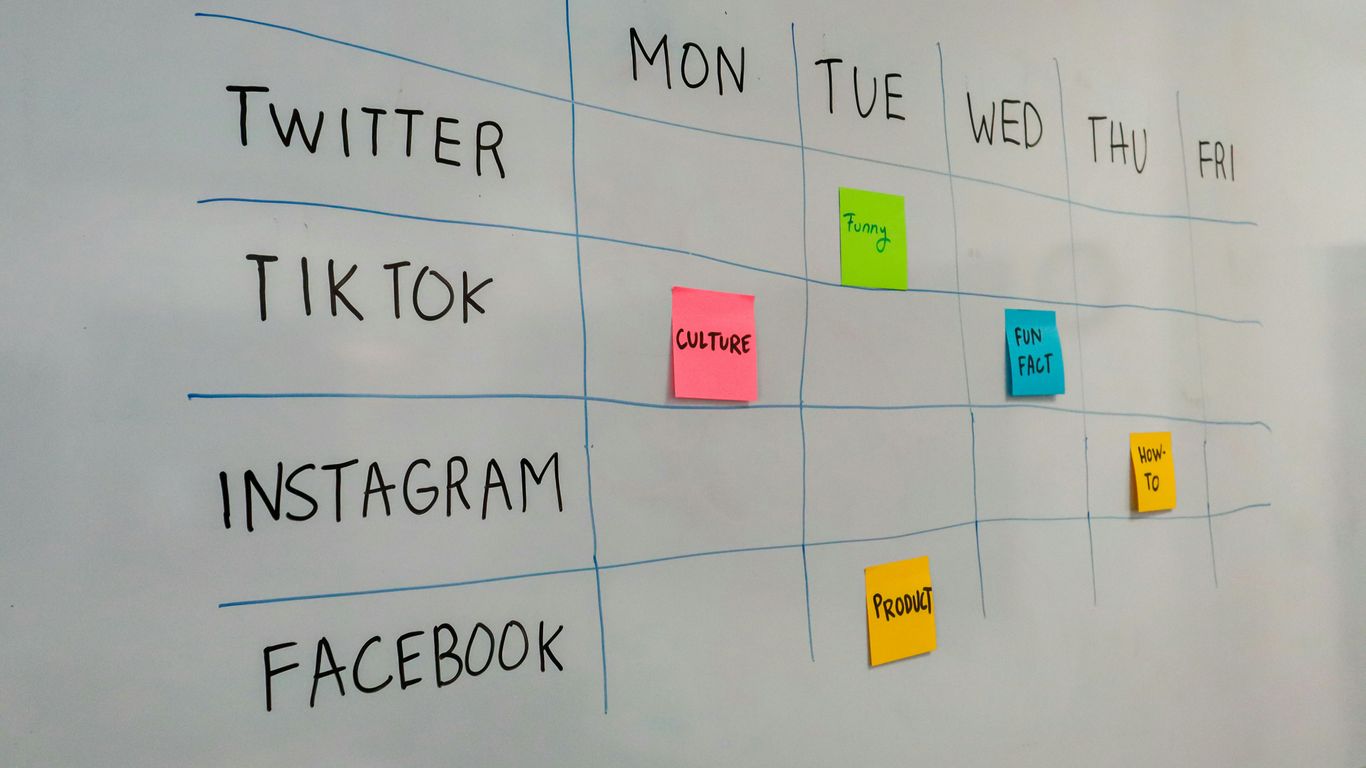
Think of a content calendar as our roadmap. It stops us from scrambling at the last minute and helps us make sure our posts are consistent and make sense together. We need to map out what we’re going to say, on which platform, and when. This isn’t just a list of dates; it’s about planning content that fits the vibe of each platform and what our audience expects there. For example, what works on TikTok – usually quick, fun stuff – might not fly on LinkedIn, where people are looking for more professional insights.
Here’s a peek at how we might structure a week:
- Monday: Share a blog post summary on LinkedIn, maybe with a question to get people talking.
- Tuesday: Post a behind-the-scenes Reel on Instagram showing our team working on a project.
- Wednesday: Run a quick poll on Twitter about a trending topic related to our industry.
- Thursday: Share a customer success story as a carousel post on Instagram.
- Friday: Post a fun, lighthearted TikTok video that ties into a weekend theme.
The key is to be intentional with every single post.
Leveraging Tools for Campaign Success
We’re not doing this all by hand, thankfully! There are tons of tools out there that make running social media campaigns way easier and more effective. We use these to create eye-catching visuals, schedule posts so they go out at the perfect time, and keep an eye on how everything’s performing.
Some of the types of tools we find super helpful include:
- Design Tools: For making graphics and videos that pop. Think Canva or Adobe Express.
- Scheduling Platforms: Like Buffer or Hootsuite, so we can plan posts in advance across different networks.
- Analytics Dashboards: To see what’s working and what’s not, often built into the platforms themselves or through third-party tools.
- Project Management Software: To keep our team organized and on track with deadlines.
Using the right tools means we spend less time on repetitive tasks and more time thinking about creative ideas and how to connect with our audience. It’s about working smarter, not harder.
We also need to think about how we track things. Setting up proper tracking with things like UTM parameters for links and making sure our pixels are firing correctly helps us see exactly where our traffic and conversions are coming from. This data is gold for figuring out what’s actually driving results for us.
Measuring and Refining Your Social Media Efforts

So, we’ve put in the work, planned our campaigns, and hit ‘publish’. Now what? This is where the real magic happens, or at least, where we figure out if it was magic. We need to look at what’s actually going on with our posts and ads. It’s not enough to just post and hope for the best; we’ve got to be smart about it.
Evaluating Strategies for Maximum Impact
Think of this as our post-campaign check-up. We’ve got to see what worked and, just as importantly, what didn’t. Did that funny TikTok video get way more views than our polished Instagram carousel? Did that Facebook ad actually lead to people buying something, or did it just get a bunch of likes?
Here’s how we break it down:
- Look at the numbers: We’re talking reach, engagement, clicks, conversions – all that good stuff. We need to see which posts are getting noticed and which ones are just… there.
- Compare apples to apples: If we ran a few different ad sets, which one gave us the best bang for our buck? We need to figure out the cost per result for each.
- What did people say? Comments and messages are gold. Are people asking questions? Are they loving it? Are they confused? This feedback is super useful.
- Did we hit our goals? Remember those objectives we set way back when? We need to see if we actually met them. If we wanted more website visits, did we get them? If we wanted more sign-ups, how many did we get?
We can’t just assume things are working. We have to actively look at the data and be honest with ourselves about the results. It’s the only way we get better.
The Role of Data in Campaign Optimization
This is where we get really granular. Data isn’t just a bunch of numbers; it’s the story of what our audience is doing. And understanding that story helps us make our next campaign even better.
We use data to:
- Spot trends: Are certain types of content always performing better? Maybe we should make more of that.
- Understand our audience better: What time of day do they engage most? What topics seem to grab their attention?
- Tweak our targeting: Are we reaching the right people? If not, we adjust who we’re showing our ads to.
- Improve our creative: Maybe the image was okay, but the caption was weak. Data can point us to these little fixes.
Here’s a quick look at how we might track things:
| Metric | Campaign A | Campaign B | What it means for us |
|---|---|---|---|
| Reach | 15,000 | 12,000 | Campaign A reached more people. |
| Engagement Rate | 2.5% | 3.1% | Campaign B got more interaction per person reached. |
| Conversions | 50 | 65 | Campaign B drove more desired actions. |
| CPA | $15 | $12 | Campaign B was more cost-effective. |
See? Campaign B might have reached fewer people, but it was more efficient and got more results. That’s the kind of insight data gives us. It helps us stop wasting money on things that aren’t working and put more effort into what actually moves the needle. It’s all about learning and getting smarter with every single campaign we run.
It’s super important to check how well your social media is doing and make it better. Are people liking your posts? Are they clicking on your links? Figuring this out helps you know what’s working and what’s not. Want to learn how to really boost your online presence? Visit our website today for tips and tricks!
So, What's the Takeaway?
Alright, so we’ve gone through a bunch of stuff about how campaign planning actually goes down here in Singapore. It’s not just about posting pretty pictures, right? It’s about having a solid plan, knowing who you’re talking to, and actually checking if it’s working. We’ve seen that using the right tools and not being afraid to tweak things as you go is super important. And yeah, sometimes you need a bit of help from the pros. But at the end of the day, it’s about being smart with your efforts and making sure you’re not just shouting into the void. Keep at it, learn from what you see, and you’ll be good.
Frequently Asked Questions
How do we figure out which social media sites are best for us?
We start by really getting to know who we’re trying to reach. We look at what they like, where they hang out online, and what kind of stuff they enjoy seeing. Then, we check out what other businesses like ours are doing. By putting all this info together, we can pick the social media spots where our message will get the most attention and connect with the right people.
What's the secret to making our posts interesting and useful?
It’s all about planning ahead! We create a content calendar, which is like a schedule for all our posts. This helps us make sure we’re sharing cool stuff regularly and at the right times. We think about what’s happening in Singapore, what’s trending, and what our audience wants to see. This way, we can create posts that grab attention and keep people engaged.
How do we know if our social media efforts are actually working?
We don’t just guess; we look at the numbers! We keep a close eye on how people are reacting to our posts – what they like, share, and comment on. We also track if our social media efforts are leading to more visitors on our website or more customers. If something isn’t working as well as we hoped, we tweak our plan based on what the data tells us. It’s all about learning and getting better over time!
Ready to put this into practice for your Singapore business?
The brands that compound results year after year are the ones that integrate paid, organic, and creative work into a single plan. Each channel feeds the next: paid search validates which keywords convert, social media marketing builds the brand recognition that lifts conversion rates, the website becomes the conversion engine, and high-quality creative production keeps the inventory of assets fresh enough to feed all of it. When these channels report into the same dashboard, marketing investments stop competing against each other and start compounding.
A common pattern we see with Singapore SMEs is treating each marketing channel as a separate experiment with a separate timeline. The result is fragmented attribution, duplicated work, and a slower path to ROI. The fix is straightforward but requires discipline: define one customer journey across channels, build one source of truth for performance data, and resource each channel based on what the journey actually needs.
That’s the model we apply for our clients, and it’s the same model the brands ranking on page one of Google for competitive Singapore keywords use to maintain their position. If you’d like to talk through how this could work for your business, get in touch – we’ll start with a clear-eyed look at your current marketing performance and where the biggest compounding opportunities sit.
Explore our related services: SEO Services | Digital Marketing | Google Ads Singapore | Social Media Marketing

Natasha Tan is the founder of Digital Marketing Singapore, a full-service SEO and digital marketing agency based in Singapore. With hands-on experience across SEO, paid media, and content strategy, she works directly with Singapore businesses to build organic visibility and generate consistent leads. Natasha specialises in the Singapore market — including local search behaviour, PDPA compliance, and government grant navigation for SMEs.