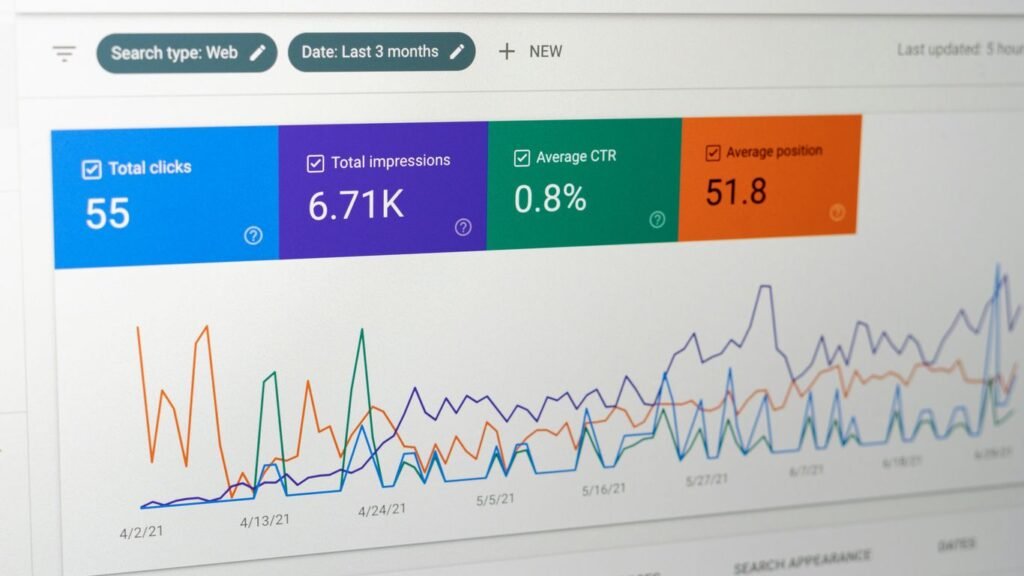
We all know that social media marketing is a big deal for businesses these days. But how do we actually know if it’s working? It’s easy to just post stuff and hope for the best, but that’s not really a plan. We need to look at the numbers, the data, to see what’s hitting the mark and what’s just falling flat. This is where social media analytics comes in – it’s our way of making sense of all the activity online and turning it into real results for our businesses.
Key Takeaways
- We can figure out who our customers are and what they like by looking at social media data, which helps us make better content for them.
- We need to track how well our social media marketing is doing across different sites to see what’s working and where our money is best spent.
- Watching what our competitors do on social media can give us ideas on how to improve our own strategy and stand out.
- Understanding how social media platforms show our content to people helps us adjust our posts to reach more of our audience.
- Using the information we get from social media analytics helps us make smarter choices about our marketing and improve our business results.
Understanding Your Audience Through Social Media Analytics
Okay, so we’ve all heard that social media is important for business, right? But just being on social media isn’t enough. We need to know who we’re actually talking to. That’s where social media analytics comes in. Think of it like having a superpower that lets us peek behind the curtain and see what our audience is really up to.
Unlocking Growth Opportunities with Customer Behavior Insights
This is where we get to the good stuff. By looking at the data, we can figure out what makes our audience tick. What kind of posts do they like? When are they most active? What are they talking about? Answering these questions helps us create content that actually connects with them. It’s not just about guessing anymore; it’s about seeing what works based on real actions.
We can look at things like:
- Demographics: Who are they? Age, location, interests – the basics that help us paint a picture.
- Engagement Patterns: What content gets the most likes, shares, and comments? This tells us what they find interesting.
- Time of Activity: When are they online? Posting when they’re most likely to see it makes a big difference.
We’re not just throwing spaghetti at the wall to see what sticks. We’re using the data to understand our community better, so we can give them more of what they want.
Segmenting Audiences for Targeted Content Strategies
Not everyone in our audience is the same, and that’s a good thing! Analytics lets us break down our followers into smaller groups, or segments. Maybe one group loves our behind-the-scenes content, while another is all about our product updates. When we know this, we can create different messages for different groups. It’s like sending a personalized letter instead of a generic flyer. This means our content is more likely to be seen and appreciated by the right people.
Here’s a quick look at how we might segment:
- Interest-Based: Grouping people by the topics they engage with most.
- Behavior-Based: Separating those who frequently comment from those who just like posts.
- Demographic-Based: Targeting specific age groups or locations with tailored messages.
Mapping the Customer Journey from Engagement to Conversion
So, someone sees our post, they like it, maybe they click a link… what happens next? Analytics helps us trace that path, from the very first time they interact with us on social media all the way to becoming a customer. This journey mapping shows us where people might be dropping off and where we’re doing a great job. Understanding this path helps us smooth out the process and make it easier for people to take that next step, whether it’s signing up for a newsletter or making a purchase. It’s all about making the experience better for them and more effective for us.
Measuring Social Media Marketing Success and ROI
Okay, so we’ve talked about understanding who we’re trying to reach and what they’re doing. Now, let’s get down to brass tacks: how do we know if any of this social media stuff is actually working for our business? It’s not enough to just post and hope for the best. We need to see if our efforts are paying off.
Tracking Campaign Effectiveness Across Platforms
This is where we look at the numbers to see what’s hitting the mark. We need to keep an eye on how our campaigns are doing on each platform we’re using. Are we getting more eyes on our posts? Are people clicking through to our website? It’s about seeing the big picture across Facebook, Instagram, LinkedIn, or wherever we’re active.
Here’s a quick look at what we might track:
- Reach: How many unique people saw our content?
- Impressions: How many times was our content displayed?
- Engagement Rate: What percentage of people who saw our content interacted with it (likes, comments, shares)?
- Click-Through Rate (CTR): How many people clicked on a link in our post?
Optimizing Budget Allocation for Maximum Impact
Once we know what’s working, we can be smarter with our money. If one platform or a specific type of ad is bringing in way more customers for less cash, we should probably put more budget there. It’s like figuring out which part of the garden gets the most sun so you can plant the best veggies there.
We don’t want to waste money on things that aren’t helping us grow. By looking at the data, we can shift our spending to where it makes the most sense, getting us the best bang for our buck.
Connecting Social Media Efforts to Business Revenue
This is the big one, right? We need to see if our social media activity is actually leading to sales. It can be tricky, but there are ways to connect the dots. We can look at things like conversion rates – how many people who came from social media actually bought something? Or we can track how much a customer who found us on social media is worth to us over time. Ultimately, we want to see that our social media marketing is contributing directly to our bottom line.
Leveraging Competitive Analysis in Social Media
Ever feel like you’re shouting into the void on social media? Sometimes, looking at what everyone else is doing can give us a much-needed reality check and a whole lot of ideas. It’s like peeking over the fence to see what’s growing in your neighbor’s garden – you might just find inspiration for your own. By checking out what our competitors are up to, we can get a clearer picture of our own spot in the market and figure out how to stand out.
Understanding Your Market Position Against Competitors
So, how do we actually know where we stand? We can use tools that compare our social media performance to industry benchmarks. This isn’t about copying, but about seeing what’s generally working well in our space. Are our engagement rates lower than average? Is our follower growth slower? These kinds of questions help us see our strengths and weaknesses.
Monitoring Rival Strategies and Audience Engagement
We need to keep an eye on what our rivals are posting, how often, and what kind of reactions they’re getting. Are they running a lot of video content? Are they getting tons of comments on their Q&A sessions? We can track things like:
- Content types: What formats are they using most (images, videos, stories, reels)?
- Posting frequency: How often do they publish new content?
- Engagement metrics: How many likes, shares, and comments do their posts typically get?
- Audience interaction: How do they respond to comments and messages?
This kind of observation helps us spot trends and understand what their audiences are responding to. It’s not about spying, it’s about learning.
Identifying Opportunities to Gain a Competitive Edge
Once we see what others are doing, we can start finding gaps. Maybe a competitor is great at posting, but they never reply to comments. That’s an opportunity for us to shine by being super responsive and building a stronger community connection. Or perhaps everyone is posting similar types of content, and there’s an opening for us to try something totally new and different that grabs attention. The goal is to find what makes us unique and lean into it.
We can use social listening tools to see what people are saying about our competitors, and even about our own brand, across the web. This gives us real-time feedback on public perception and helps us identify areas where we can improve or innovate. It’s like having a constant pulse on the conversation happening around our industry.
The Role of Algorithms in Social Media Reach
Monitoring Content Visibility and Algorithm Changes
Ever feel like your posts just disappear into the void? Yeah, we’ve been there. Social media platforms use complex algorithms to decide what content people see. These algorithms are constantly changing, and it can feel like a guessing game trying to keep up. Understanding how these algorithms work is key to getting your content in front of the right eyes. We need to pay attention to how visible our posts are and what seems to be working. It’s not just about posting; it’s about posting when and how the algorithm favors us.
Adjusting Strategies Based on Platform Updates
When a platform like Instagram or Facebook updates its algorithm, it can really shake things up. What used to get tons of engagement might suddenly fall flat. We have to be ready to pivot. This means looking at our data regularly to see if our reach is dropping or changing. If it is, we need to figure out why and tweak our approach. Maybe we need to post different types of content, change our posting times, or focus more on video if that’s what the algorithm is pushing.
Maximizing Audience Reach Through Data-Driven Tactics
Instead of just hoping for the best, we can use data to guide our strategy. We can track which posts perform well and try to replicate that success. We can also look at what our competitors are doing and how their content is performing.
Here’s a simple way to think about it:
- Check your analytics: See which posts got the most views, likes, and shares.
- Look at the content type: Was it a video, a carousel, a single image, or a text post?
- Consider the timing: When did you post it? Was it during peak hours for your audience?
- Analyze engagement: Did people comment? Did they save the post?
By paying attention to these details, we can start to see patterns. Then, we can make more informed decisions about what to post next, when to post it, and how to format it to get the most reach possible. It’s about working with the algorithm, not against it.
Transforming Data into Actionable Social Media Strategies
So, we’ve looked at the numbers, tracked our campaigns, and even peeked at what the competition is up to. Now what? It’s time to actually do something with all that information. Think of all the data we’ve gathered as raw ingredients; we need to cook them up into a delicious meal that actually feeds our business goals.
Using Performance Indicators to Shape Your Strategy
We can’t just keep posting blindly. We need to look at what’s working and what’s not. Those key performance indicators (KPIs) we’ve been tracking? They’re our guide. If a certain type of post gets a ton of shares but no clicks to our website, maybe we need to rethink the call to action. Or if our video content is getting lots of views but low engagement, perhaps the content itself isn’t quite hitting the mark.
Here’s a simple way to think about it:
- Engagement Rate: Are people actually interacting with our posts (likes, comments, shares)? High engagement means our content is interesting.
- Click-Through Rate (CTR): Are people clicking the links we share? This tells us if our content is driving traffic where we want it to go.
- Conversion Rate: Are those clicks turning into actual customers or leads? This is where the money is made.
- Reach/Impressions: How many people are seeing our content? This is about visibility.
We need to constantly check these numbers. If our engagement rate is dropping, we need to figure out why and adjust. Maybe it’s time to try a new content format or a different posting schedule.
Analyzing Brand Sentiment for Growth Opportunities
Beyond just numbers, we also need to listen to what people are saying about us. Brand sentiment analysis is like having a pulse on public opinion. Are people happy with our products or services? Are they complaining about something specific? This isn’t just about spotting problems; it’s also about finding chances to shine.
For example, if we notice a lot of positive comments about a specific feature of our product, we can create more content highlighting that feature. On the flip side, if there’s a recurring complaint, we can address it directly, maybe even turn it into a helpful FAQ post, showing we’re listening and improving.
We need to remember that social media isn’t just a broadcast channel; it’s a two-way street. Paying attention to the conversation around our brand helps us build stronger relationships and make our offerings better.
Making Data-Driven Decisions for Smarter Marketing
Ultimately, all this data should lead to smarter choices. Instead of guessing what might work, we can use what we’ve learned to make educated decisions. This means allocating our time and budget to the platforms and content types that give us the best results.
Let’s say our analytics show that Instagram Reels are bringing in way more new followers than our Facebook posts, and those followers are actually engaging. It might be time to shift more of our creative energy and ad spend towards Reels. It’s about being flexible and letting the data guide our path forward, not just sticking to what we’ve always done.
| Platform | Content Type | Engagement Rate | CTR |
|---|---|---|---|
| Reels | 8.5% | 3.2% | |
| Posts | 2.1% | 1.1% | |
| TikTok | Videos | 7.9% | 2.8% |
Looking at a table like this makes it clear where we should focus our efforts. It’s not about being a social media guru; it’s about being a smart business owner who uses the tools and information available to grow.
The Power of AI in Social Media Performance Measurement
We’ve talked a lot about looking at the numbers, but what if we could make that process smarter, faster, and more accurate? That’s where Artificial Intelligence (AI) comes in. Think of AI as your super-smart assistant for social media analytics. It can sift through mountains of data way quicker than we ever could, spotting patterns and trends we might miss.
Automating Audience Engagement Tracking with Machine Learning
Remember how we discussed understanding audience behavior? Machine learning, a type of AI, is a game-changer here. It can automatically track how people interact with our content – what they like, share, comment on, and even when they’re most active. This isn’t just about counting likes; it’s about understanding the why behind the engagement. It helps us see which posts really hit home and which ones just sort of float by.
- Real-time Interaction Monitoring: AI tools can watch engagement as it happens, giving us instant feedback.
- Pattern Recognition: They identify recurring behaviors and preferences within our audience.
- Content Performance Scoring: AI can assign scores to content based on predicted engagement, helping us prioritize.
Predicting Future Trends with Advanced Analytics
Looking ahead is tough, right? AI-powered predictive analytics uses past performance data to forecast what might happen next. This means we can get a heads-up on emerging trends or shifts in audience interest. Instead of just reacting, we can start planning proactively. This is super helpful for deciding what kind of content to create next or when to push a specific campaign.
Enhancing Measurement Accuracy Through AI
Let’s be honest, manual tracking can lead to errors. AI significantly boosts the accuracy of our social media measurements. It can process complex data sets without getting tired or making simple mistakes. This means the insights we get are more reliable, leading to better decisions. The more accurate our data, the more confident we can be in our strategy.
AI takes the guesswork out of understanding what’s working and what’s not. It’s like having a crystal ball, but it’s based on actual data, not magic. This allows us to be more strategic and less reactive with our social media efforts.
AI is changing how we look at social media success. It helps us understand what’s working and what’s not, making it easier to boost your online presence. Want to see how AI can make your social media shine? Visit our website to learn more!
So, What's the Big Takeaway?
Alright, we’ve covered a lot of ground here, and maybe it feels a bit overwhelming. But honestly, looking at your social media numbers isn’t some dark art. It’s just about paying attention to what’s working and what’s not. Think of it like checking the weather before you head out – you want to know if you need an umbrella, right? Using these tools helps us figure out what our audience actually likes, where they’re coming from, and if our efforts are actually helping the business. It’s not about getting a perfect score; it’s about making smarter choices so we can connect better and grow. So, let’s stop guessing and start looking at the data. Our businesses will thank us for it.
Frequently Asked Questions
Why should we bother with social media analytics?
Think of social media analytics as our secret decoder ring for understanding what’s working (and what’s not!) on social media. It helps us see who’s checking out our stuff, what they like, and how they find us. Without it, we’re just guessing, and that’s not a great way to grow our business.
How do we know if our social media efforts are actually making us money?
We track how many people click through from our social posts to our website and then actually buy something. It’s not just about likes; it’s about seeing if those likes turn into sales. We look at things like conversion rates to figure out which posts are bringing in the dough.
What's the deal with algorithms and why do they matter?
Algorithms are like the gatekeepers of social media. They decide who sees our posts. We need to keep an eye on how they work and what changes they make so we can adjust our strategy to get our content in front of more people.
How can we figure out what our competitors are doing?
We can use analytics tools to peek at what our rivals are up to. We check out what kind of content they post, how people react to it, and where they seem to be winning. This helps us find ways to stand out and do even better.
Is it hard to understand all the numbers and data?
It might seem a bit much at first, but we can start with the basics. We focus on the key numbers that help us reach our business goals, like how many people are engaging with our posts and if they’re taking the actions we want them to. We learn as we go!
Can AI really help us with social media stuff?
Totally! AI can help us sort through tons of data super fast, figure out what people are saying about our brand, and even predict what might be popular next. It makes our analysis more accurate and helps us make smarter, quicker decisions.
Explore our related services: Social Media Marketing | Content Creation | Social Media Advertising
Social media analytics inform better decisions across SEO, digital marketing, and SEM — creating a unified data-driven growth strategy.

Natasha Tan is the founder of Digital Marketing Singapore, a full-service SEO and digital marketing agency based in Singapore. With hands-on experience across SEO, paid media, and content strategy, she works directly with Singapore businesses to build organic visibility and generate consistent leads. Natasha specialises in the Singapore market — including local search behaviour, PDPA compliance, and government grant navigation for SMEs.