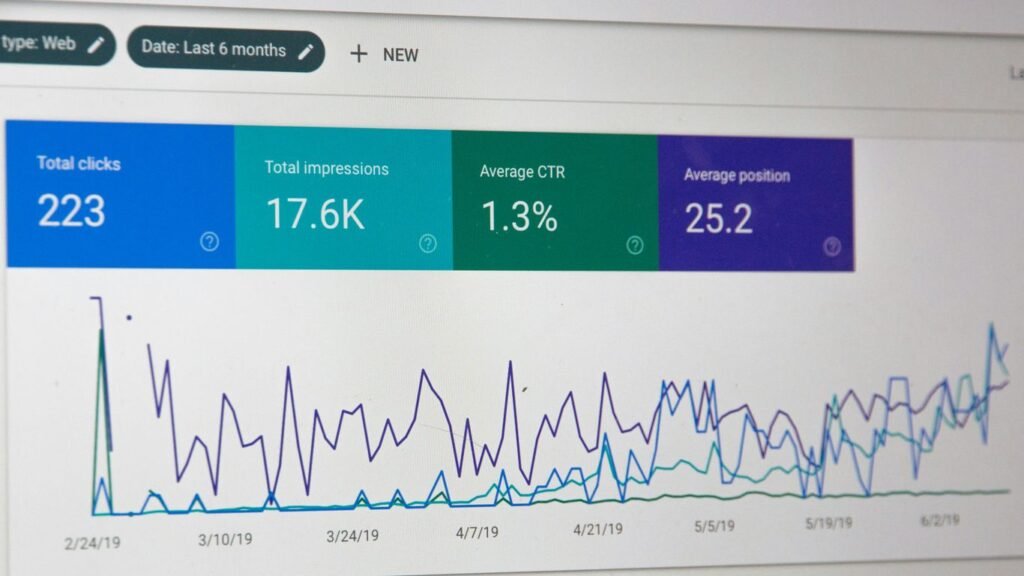
We all know that getting our SEO right is a big deal for any business. But honestly, sometimes the actual ‘doing’ of SEO feels like a tangled mess. We’ve been there – tasks piling up, deadlines looming, and wondering if we’re even heading in the right direction. That’s why we started thinking about how we, as an SEO agency, can actually make this whole process smoother. It’s not just about knowing what to do, but having a solid plan for how we do it, from the very start to seeing the results. This is our take on building a better SEO agency workflow.
Key Takeaways
- A good SEO agency workflow means we’re not just doing random tasks; we’re following a clear path from start to finish. This makes our work more predictable and effective.
- We need to really dig in during the discovery phase. Understanding the technical stuff, what competitors are doing, and what our client actually wants helps us build a strategy that works.
- Planning is where we connect the dots. Mapping keywords to what the business needs, setting clear timelines, and knowing who’s doing what makes execution much easier.
- Getting things done right means coordinating well. Whether it’s content, technical fixes, or getting approvals, having a smooth execution process stops things from getting stuck.
- We have to keep an eye on how things are going. Tracking results and using that data to make adjustments is how we keep improving and help our clients grow over time.
Understanding The SEO Agency Workflow Foundation

What Defines An SEO Workflow?
So, what exactly is an SEO workflow? Think of it as the engine that keeps our SEO efforts running smoothly. It’s not just a list of tasks we need to do; it’s the whole system that connects everything from figuring out what people are searching for to actually seeing those search results improve. When all the pieces – like keyword research, content writing, technical fixes, and tracking – are linked together, our work becomes predictable and way more effective. If we just have keyword ideas in one spreadsheet, content briefs in another, and technical stuff gets done whenever we have a spare moment, our results are going to be all over the place. A good workflow makes sure each step leads into the next, so nothing important gets missed.
Why A Structured Workflow Matters For Agencies
As we grow, relying on memory and informal chats just doesn’t cut it anymore. Things start to slip through the cracks. Deadlines get missed, important details like meta descriptions get forgotten, and tracking might not get set up until weeks later. Having a clear workflow replaces all that guesswork. We know who’s supposed to do what, when it needs to be done, and how it fits into the bigger picture. It’s not about doing more SEO; it’s about building a system that lets us do great SEO consistently, measure it properly, and keep it working even when things get busy. It’s about making our work repeatable and reliable.
Moving Beyond Tasks To Workflow-Driven SEO
Doing individual SEO tasks is like just showing up to play a game without a game plan. We might get lucky sometimes, but it’s not a reliable way to win. In a task-based approach, we rely on people remembering to do things – maybe a writer remembers to add internal links, or a developer adds some code if we remind them. It works okay when we’re small, but it falls apart when we have more projects. Workflow-driven SEO builds those requirements right into the process. The system itself dictates what needs to happen, when it happens, and who’s responsible. It’s the difference between just reacting and having a strategy that guides everything we do.
Here’s a quick look at how things change:
- Task-Based: A content manager emails a topic with very little detail.
- Workflow-Based: An automated system creates a content brief with all the necessary SEO requirements based on keyword opportunities.
When we move from just completing tasks to managing a workflow, we shift from hoping for good results to actively building them. It’s about creating a predictable system that delivers consistent growth, not just a collection of individual efforts.
The Discovery And Audit Phase: Laying The Groundwork
Alright, so before we even think about tweaking meta descriptions or writing new blog posts, we need to get a real handle on where things stand. This is our discovery and audit phase, and honestly, it’s the bedrock of everything we do. Without this, we’re just guessing, and that’s not how we get results for our clients.
Comprehensive Technical Audits
First up, we roll up our sleeves and dive deep into the site’s technical health. This means looking at everything from how fast the pages load to whether search engines can even find and read the content. We’re checking for broken links, messed-up redirects, crawl errors – you name it. It’s like giving the website a full physical to make sure all its internal organs are working right. A slow site or one that search engines can’t crawl properly is like trying to run a race with a broken leg; it’s just not going to perform well.
Content Inventory And Backlink Review
Next, we take stock of what’s already there. We do a full inventory of the existing content – what pages do they have, how are they performing, and is it actually relevant to what people are searching for? At the same time, we’re looking at their backlink profile. Who’s linking to them, and are those links actually helping or hurting their reputation? It’s about understanding the site’s current digital footprint and identifying any weak spots or missed opportunities. We want to know if they’ve got a solid foundation of good links or if there are some shady characters in the neighborhood.
Competitive Landscape Analysis
We can’t operate in a vacuum, right? So, we spend time looking at what the competition is up to. Who’s ranking for the keywords we care about? What kind of content are they creating? How are they approaching their technical SEO? This isn’t about copying them, but it gives us a really good idea of what’s working in their specific market and where we can find an edge. It helps us set realistic goals and figure out how to stand out from the crowd. For example, if everyone in their niche is focusing on long-form guides, maybe we find a way to do short, punchy videos that get noticed.
Aligning Goals With Business Objectives
This is probably the most important part, and honestly, it’s where a lot of agencies miss the mark. We need to connect what we do with what actually matters to the business. Are they trying to sell more products? Get more leads? Increase brand awareness? We make sure our SEO goals directly support these bigger business objectives. It’s not just about getting more traffic; it’s about getting the right traffic that converts into customers or clients. We want to see our SEO efforts translate into real business growth, not just vanity metrics.
We always start by asking: ‘What does success look like for this business?’ It’s easy to get lost in the technical weeds of SEO, but if it’s not moving the needle on their bottom line, then we’re not doing our job right. Our audits are designed to uncover not just technical issues, but also strategic opportunities that align directly with their commercial aims. We’re looking for the biggest impact, not just the easiest fixes.
Here’s a quick look at what we typically assess:
- Technical Health: Site speed, mobile-friendliness, crawlability, indexability, site architecture.
- Content Performance: Existing content audit, keyword gaps, content quality, user engagement signals.
- Backlink Profile: Domain authority, referring domains, anchor text distribution, toxic link identification.
- Competitor Benchmarking: Keyword rankings, content strategies, backlink profiles of top competitors.
- Business Goal Alignment: Understanding KPIs, target audience, and revenue objectives. ecommerce SEO services can be a key part of this for online stores.
Crafting Your SEO Strategy And Action Plan
So, we’ve dug through the data and figured out what’s what with the audits. Now comes the fun part: actually making a plan. This is where we take all those findings and turn them into a clear roadmap for getting things done.
Data-Driven Content Briefs
Think of a content brief as the blueprint for any piece of content we create. It’s not just about telling someone to write a blog post. We need to be super specific. We look at the keywords we’ve identified, what people are actually searching for, and what our competitors are doing. Then, we put all that into a brief that guides the writer. This means including target keywords, the ideal length, what the content should cover, and even what kind of tone we’re going for. It helps make sure the content we produce is actually going to hit the mark and help us rank.
Keyword Mapping And Prioritization
We can’t just go after every keyword out there. That would be a mess. Instead, we map out the keywords we found during the audit phase. We figure out which ones are most important for the business goals, which ones are easier to rank for, and which ones will bring in the right kind of traffic. We usually put these into a table so everyone can see what we’re focusing on and why. It helps us stay organized and make sure we’re putting our energy where it counts the most.
| Keyword Group | Primary Keyword | Search Intent | Priority | Target Page | Estimated Effort |
|---|---|---|---|---|---|
| Product A | "best widget" | Informational | High | Blog Post | Medium |
| Service B | "widget repair" | Transactional | High | Service Page | Low |
| Industry News | "widget trends" | Informational | Medium | Blog Post | Medium |
Defining Project Timelines And Ownership
This is a big one. If nobody knows who’s supposed to do what, or when it needs to be done, things fall apart fast. We break down the strategy into smaller, manageable tasks. Then, we assign each task to a specific person or team. We also set realistic deadlines for each step. This way, we can track progress, spot any bottlenecks early on, and make sure we’re moving forward consistently. It’s all about clear communication and accountability.
Without a clear plan and assigned responsibilities, even the best SEO strategy can get lost in the shuffle. We make sure every step is accounted for, from who’s writing the content to who’s implementing the technical fixes.
Establishing Client Communication Protocols
We know that keeping clients in the loop is super important. We set up how and when we’ll communicate. This might mean weekly check-in calls, monthly reports, or a shared project management tool where they can see updates. We want to make sure they understand what we’re doing, why we’re doing it, and what results they can expect. Being open and honest builds trust, and that’s key to a good working relationship.
Executing Your SEO Strategy Effectively
So, we’ve done the digging, figured out what needs fixing, and mapped out a killer strategy. Now comes the part where we actually make things happen. This is where the rubber meets the road, and honestly, it’s often where things can get a bit messy if we’re not careful. We’re talking about coordinating a bunch of different moving parts – writers, designers, developers, and sometimes even the client themselves – to get our SEO plan into action.
Coordinating Content Creation and Design
This is a big one. Our strategy probably hinges on creating some awesome new content or tweaking existing stuff. We need to make sure our content writers have clear briefs (remember those from the last phase?) and understand the why behind each piece. It’s not just about hitting a word count; it’s about hitting the right keywords and answering user questions. We also need to think about how it looks. Good design makes content more engaging and easier to digest, which search engines notice. We usually set up a shared document or use a project management tool where writers can upload drafts, and designers can see where images or graphics need to go. The goal is to make this handoff as smooth as possible.
Implementing Technical SEO Fixes
This is where we get our hands dirty with the website’s guts. It could be anything from fixing broken links and improving site speed to sorting out schema markup or making sure our mobile experience is top-notch. We usually create a prioritized list of these fixes based on the audit. Developers or our technical SEO folks will tackle these. We often use a ticketing system for this, so each fix is tracked, assigned, and has a clear status. It’s important to test these changes after they’re implemented to make sure they actually fixed the problem and didn’t break anything else.
Streamlining Approval Processes
Nobody likes getting stuck waiting for a sign-off. We try to set clear expectations upfront about who needs to approve what and when. For content, this might mean a quick review from the client or our internal editor. For technical changes, it might involve a QA check from our team before it goes live. We aim to build these approval steps into our timelines so they don’t become bottlenecks. Sometimes, we’ll have a quick call with the client to walk through changes before they’re finalized, especially if it’s a big update.
Ensuring Proper Tracking Setup
If we can’t measure it, we can’t improve it, right? Before we launch any major content or technical changes, we double-check that all our tracking is set up correctly. This means making sure Google Analytics, Google Search Console, and any other tools we use are capturing the right data. We’ll set up specific event tracking for new features or content types and verify that conversion goals are firing properly. It’s a bit like checking the fuel gauge before a long trip – you want to know it’s working before you really get going.
Monitoring Performance And Reporting Results
Okay, so we’ve done the work, put the strategy into action, and now it’s time to see what’s actually happening. This is where we connect all our efforts back to the goals we set at the beginning. It’s not just about looking at numbers; it’s about understanding what those numbers mean for the client’s business.
Tracking Key Performance Indicators
First off, we need to keep an eye on the important stuff. We set these KPIs way back when we were planning, so now we just check if we’re hitting them. This usually means looking at things like organic traffic, keyword rankings, and conversion rates. It’s pretty straightforward, but you’d be surprised how many people skip this.
- Organic Traffic Growth
- Keyword Ranking Improvements
- Conversion Rate Changes
- Bounce Rate and Time on Site
Analyzing Ranking And Traffic Data
This is where we get a bit more granular. We’re not just looking at the overall traffic number; we want to see which pages are performing well, which keywords are bringing people in, and how our rankings are changing over time. Sometimes, a small dip in traffic can tell us a lot if we know where to look. We use tools to pull this data together so we can see trends easily. It helps us spot what’s working and what’s not, so we can adjust our plan if needed. For example, if we see a specific set of keywords suddenly performing much better, we might want to create more content around that topic. It’s all about seeing the bigger picture through the details.
Reporting On Core Web Vitals And Crawl Health
Beyond just traffic and rankings, we also need to make sure the website itself is healthy. This means checking things like page speed and how easily search engines can crawl the site. We look at Core Web Vitals – things like how quickly the main content loads, how interactive the page is, and if the layout shifts around unexpectedly. A slow or janky website isn’t good for users, and search engines know that. We also check the crawl health to make sure there aren’t any broken links or errors that stop search engines from finding our content. Keeping the site technically sound is just as important as the content itself.
Linking Performance To Business Outcomes
This is the most important part, really. All the traffic and rankings in the world don’t mean much if they aren’t helping the client make more money or achieve their actual business goals. So, we always try to connect our SEO results back to those bottom-line outcomes. Did the increased traffic lead to more leads? Did the improved rankings for product pages result in more sales? We put together reports that clearly show this connection, using data to tell a story about how our SEO work is making a real difference. It’s about showing the ROI, plain and simple.
We need to make sure our reports aren’t just a dump of numbers. They should tell a clear story about what’s happening, why it’s happening, and what we’re going to do about it next. This keeps everyone on the same page and shows the real value of our work.
We also keep an eye on how our competitors are doing. If they suddenly jump up in rankings for a term we care about, we need to know why. This competitive analysis helps us stay ahead of the curve and adjust our strategy accordingly. It’s a constant back-and-forth, and staying informed is key. If you’re looking for help with this kind of detailed analysis, especially in a specific market, you might find expert SEO consultant services in Singapore useful.
Iterating And Optimizing For Continuous Growth
Leveraging Performance Data For Refinement
So, we’ve launched our campaigns, and things are moving. But here’s the thing about SEO: it’s not a ‘set it and forget it’ kind of deal. We need to keep an eye on how everything’s performing. This means digging into the data we’re collecting – things like where our pages are ranking, how much traffic they’re actually getting, and if people are sticking around or bouncing off. We look at this data not just to see if we hit our targets, but to figure out why. Did that new content piece really move the needle? Why did that other one stall out? This constant check-in is how we make sure we’re not just spinning our wheels.
Testing New Hypotheses And Strategies
Based on what we’re seeing in the data, we start forming ideas. Maybe we think a different title tag could grab more clicks, or perhaps a different internal linking structure would help users find more relevant pages. We don’t just guess, though. We try to come up with specific tests. For example, we might A/B test two different meta descriptions for a key page to see which one performs better. Or we might try adding a new type of content, like an infographic, to a page that’s doing okay but could do better. It’s all about trying to find those little wins that add up.
Responding To Algorithm Changes And Competition
Google and other search engines are always tweaking their algorithms. It’s like a moving target. We have to stay aware of these changes and how they might affect our rankings. Sometimes it’s a big shake-up, other times it’s subtle. We also keep an eye on what our competitors are doing. Are they suddenly ranking for keywords we used to own? Did they publish a killer piece of content that’s drawing traffic away? Our workflow needs to be flexible enough to react to these shifts. We can’t just stick to the original plan if the landscape changes.
Conducting Workflow Retrospectives
This is a big one for us. We regularly get together, usually after a campaign or a major project phase, and talk about how the process went. Not just the SEO results, but how we worked together. What went smoothly? What felt clunky or slow? Were there any bottlenecks where things got stuck? We might use a simple list like this:
- What worked well?
- What could have been better?
- What did we learn?
- What should we change for next time?
This isn’t about pointing fingers; it’s about collective learning. By talking openly about our workflow, we identify areas where we can be more efficient, communicate better, or simply avoid repeating mistakes. It’s how we get better at doing what we do, not just for one client, but for all of them.
Best Practices For Scalable SEO Agency Management
So, we’ve talked about the whole workflow, from digging into audits to actually getting things done and seeing how they perform. But how do we make sure this whole operation doesn’t fall apart when we start taking on more clients or bigger projects? That’s where these best practices come in. They’re like the secret sauce that keeps everything running smoothly, even when things get hectic.
Defined Ownership and Accountability
This is a big one. When everyone knows exactly what they’re supposed to do and who’s in charge of what, things just get done faster and better. No more
Managing a growing SEO agency can be tricky. To keep things running smoothly and help your business expand, it’s smart to have clear plans in place. Think about how you organize your team and your projects. Having good systems makes it easier to handle more clients and get better results for them. Want to learn more about making your agency super successful? Visit our website today for tips and tricks!
Wrapping It Up
So, there you have it. Building a solid workflow for SEO isn’t just about ticking boxes; it’s about creating a system that actually works, day in and day out. We’ve seen how moving from messy tasks to a structured process makes a huge difference, especially when you’re juggling multiple clients or projects. It’s about making sure everyone knows their part, from the initial audit all the way through to checking the results and making tweaks. When we get this right, things just run smoother, and honestly, that’s what helps us get better results for everyone involved. It’s a continuous cycle, and getting it right means we can keep improving and delivering what clients need.
Frequently Asked Questions
What exactly is an SEO workflow?
Think of an SEO workflow as our game plan for making websites show up higher in search results. It’s not just a list of things to do, but a step-by-step process that helps us organize everything from checking the website’s health to creating new content and tracking how well it’s doing. It’s how we make sure we’re doing SEO the right way, every time, for every client.
Why do we need a structured workflow instead of just doing tasks?
Doing tasks one by one can get messy, especially when we’re working on multiple projects. A structured workflow is like a roadmap. It tells us exactly what needs to happen, who’s responsible, and when it should be done. This helps us avoid mistakes, meet deadlines, and deliver awesome results consistently, without things falling through the cracks.
What's the first big step in our SEO workflow?
The very first thing we do is dive deep into understanding the website. This means doing a thorough check of its technical health, looking at what content is already there and what links point to it, and seeing what our competitors are up to. We also make sure we totally get what the business owner wants to achieve so our SEO efforts line up perfectly with their goals.
How do we decide what SEO actions to take?
After we’ve done our homework, we create a smart plan. We figure out the best words people are searching for that relate to the business, and then we map those words to specific pages. We also prioritize what fixes are most important and set clear deadlines and assign tasks to team members. Good communication with the client is key here too!
What happens after we've planned our SEO strategy?
This is where the magic happens! We start putting the plan into action. This involves creating awesome content, fixing any technical issues on the website, getting approvals smoothly, and making sure we’ve set up all the tracking tools correctly so we can see how everything is performing.
How do we know if our SEO efforts are actually working?
We keep a close eye on important numbers, like where the website ranks in search results and how many people are visiting. We analyze this data to see what’s improving and what could be better. Then, we report back to the client, showing them how our SEO work is helping their business grow and achieve its goals.
Related services from Digital Marketing Singapore: SEO, SEM, Social Media Marketing, Content Marketing, Website Design.

Natasha Tan is the founder of Digital Marketing Singapore, a full-service SEO and digital marketing agency based in Singapore. With hands-on experience across SEO, paid media, and content strategy, she works directly with Singapore businesses to build organic visibility and generate consistent leads. Natasha specialises in the Singapore market — including local search behaviour, PDPA compliance, and government grant navigation for SMEs.