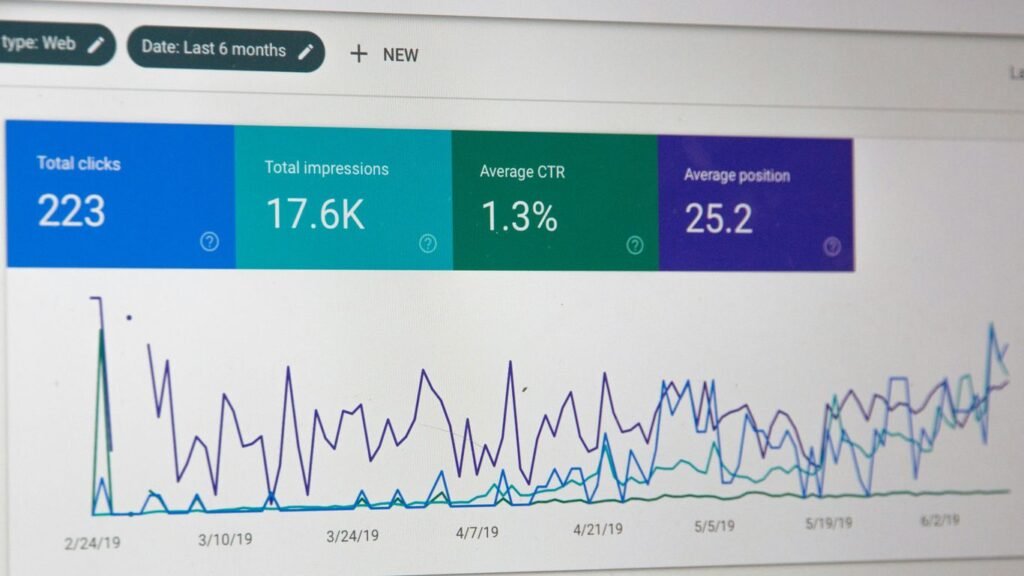
So, we’ve been looking at how SEO Company Singapore reports can be way better. It’s not just about showing numbers; it’s about making sense of them for the people who need to make decisions. We want our reports to be clear, useful, and something people actually look forward to reading, not just file away. Let’s break down how we can do that.
Key Takeaways
- Always start by figuring out who you’re talking to. A CEO needs different info than a marketing manager or a tech person. Tailor your report to them.
- Structure your report like a story. An executive summary up front is a must, giving the main points quickly. Then, build a clear path through the data to your conclusions.
- Focus on metrics that show real business impact, like revenue or cost savings, not just traffic numbers. Connect what SEO does to actual money.
- Make sure your data is correct and consistent. Use the same methods and periods each time, and double-check your sources before you start building the report.
- Don’t just show numbers; explain what they mean. Give clear, actionable steps based on the data, and always follow up on what you recommended before.
Understanding Your Audience: The Foundation of Effective Reporting

Okay, so we’ve got this SEO report to put together. Before we even think about pulling numbers or making fancy charts, we really need to stop and think about who’s going to be reading this thing. It sounds obvious, right? But honestly, it’s the biggest mistake we see people make. Sending the same report to everyone is like trying to explain quantum physics to a toddler – it just doesn’t work.
Tailoring Reports for C-Suite and Business Leaders
When we’re talking to the folks at the top – the CEOs, the VPs, the people signing the checks – they don’t have time to get bogged down in the nitty-gritty of keyword density or crawl errors. They want the big picture. What’s the bottom line? How is our SEO effort impacting the business’s growth and revenue? We need to focus on high-level metrics that show commercial outcomes. Think about things like overall organic traffic growth, lead generation from organic search, and maybe even the estimated value of that traffic compared to paid ads. A one-page dashboard with a few key trends and a clear, concise summary is usually all they need. They want to know if their investment is paying off, plain and simple.
Meeting the Needs of Marketing Managers
Marketing managers are a bit different. They’re in the trenches, planning campaigns and managing content. They need more detail than the C-suite but less than a technical specialist. For them, we’ll want to show things like:
- How specific campaigns are performing in search results.
- Trends in organic traffic to key product or service pages.
- Content performance – what’s working, what’s not.
- Keyword ranking movements for important terms.
This helps them understand how SEO fits into their broader marketing strategy and where to focus their content efforts. We’re giving them enough info to make smart decisions about their marketing plans.
Communicating with Technical Stakeholders
Now, if we’re talking to the developers or the internal SEO team, they’re going to want the deep dive. They’re the ones who can actually fix the technical issues. So, for this audience, we’ll include details on:
- Site speed and performance metrics.
- Crawlability and indexation issues.
- Structured data implementation.
- Backlink profile analysis.
- Specific technical recommendations with clear steps.
This is where we can get pretty granular. They need the specifics to do their jobs effectively. It’s about providing them with the exact problems and how to solve them.
Providing Depth for SEO Specialists
Finally, for fellow SEO specialists, whether they’re on our team or the client’s, they appreciate a thorough analysis. They understand the nuances and want to see the full picture. This means including all the details from the technical report, but also adding more strategic insights. We’ll discuss:
- Competitive analysis in more detail.
- Opportunities for advanced keyword targeting.
- Content gap analysis.
- Long-term strategic recommendations.
This group can handle the most complex data and are looking for ways to push the strategy forward. They’re interested in the ‘why’ behind the numbers and how we can innovate.
The key takeaway here is that a one-size-fits-all report just doesn’t cut it. We need to think about who is reading the report and what questions they need answered. Tailoring the content, the metrics, and the depth of detail is what makes a report truly useful and drives action, rather than just being another document that gets filed away. It’s about making sure the right people get the right information at the right time, so they can actually do something with it. This is how we show the real value of our SEO consultant services in Singapore.
Structuring Your SEO Report for Clarity and Impact
So, we’ve talked about who we’re reporting to and what they care about. Now, let’s get into how we actually put the report together so it makes sense and actually gets read. Nobody wants to sift through a wall of text or a confusing spreadsheet, right? We need to make it easy for people to get the information they need, fast.
The Power of an Executive Summary
Think of this as the "too long; didn’t read" version for your busiest stakeholders. It needs to be short, sweet, and hit the main points. We’re talking one paragraph, maybe a few sentences, that sums up the most important stuff. What’s the big trend? What’s the one thing they absolutely need to know or do? This summary is your report’s handshake – make it a good one. It should give a clear picture of performance and the single most important next step, all in plain language. We usually write this last, after we’ve figured out everything else.
Building a Logical Narrative Flow
We don’t just want to dump a bunch of numbers on people. We want to tell a story. Start with the big picture, then zoom in on the details, and finally, explain what it all means and what we should do about it. It’s like building a case: here’s the situation, here’s the evidence, and here’s our conclusion and plan.
- Start broad: What’s the overall performance look like?
- Get specific: What are the key metrics and trends driving that performance?
- Connect the dots: How do these metrics relate to business goals?
- End with action: What should we do next based on this information?
This flow helps everyone follow along, even if they aren’t SEO experts. It moves from context to findings to recommendations.
Structuring for Different Stakeholder Needs
We know different people need different things. A CEO might just want the headline numbers and the bottom line, while a marketing manager needs more detail to plan their campaigns. And the technical SEO folks? They need all the nitty-gritty details.
Here’s a rough idea of how we might break it down:
| Audience Type | Focus | Key Information |
|---|---|---|
| C-Suite/Business | High-level performance, ROI, business impact | 3-5 key metrics, overall trend, main recommendation |
| Marketing Managers | Traffic, content, campaign performance | Traffic sources, keyword visibility, content gaps |
| Technical SEO Team | Site health, crawlability, indexability | Technical issues, site speed, schema markup |
| Agency Clients (SME) | Commercial outcomes, strategy justification | Business objectives, progress, actionable insights |
The goal is to make the report relevant to the reader’s role. If they can’t see how the information helps them do their job better or makes the business more successful, they’re likely to tune out. We need to tailor the depth and focus for each group.
Key Metrics That Drive Business Decisions
Okay, so we’ve talked about how to structure things and who we’re talking to. Now, let’s get down to the nitty-gritty: what numbers actually matter? It’s easy to get lost in a sea of data, but we need to focus on what moves the needle for the business. We’re not just trying to get more clicks; we’re trying to get more customers, more sales, and ultimately, more revenue.
Moving Beyond Vanity Metrics to Value
We’ve all seen them – metrics that look good on paper but don’t really tell us much. Things like total website visits or the number of times a specific page was viewed. While they can be interesting, they don’t directly tell us if our SEO efforts are paying off. We need to shift our focus to metrics that show real business impact. Think about it: a huge spike in traffic from people who aren’t interested in what we offer isn’t really a win, is it?
- Focus on metrics tied to business goals.
- Look at how many leads we’re generating from organic search.
- Track actual sales or bookings that came through organic channels.
- Consider the value of that organic traffic – what would it cost us to get those same visitors through paid ads?
Connecting Organic Traffic to Commercial Outcomes
This is where the magic happens. We need to show a clear line from the work we do in SEO to the money the business makes. It’s not enough to say, "Our organic traffic went up by 20%." We need to say, "Because our organic traffic went up by 20%, and we focused on high-intent keywords, we saw a 15% increase in qualified leads, which translated to an estimated SGD X in new business."
Here’s a quick look at how we can frame this:
| Metric Category | What We Track | Why It Matters |
|---|---|---|
| Lead Generation | Organic-sourced leads, form submissions | Directly shows how SEO brings in potential customers. |
| E-commerce | Organic-attributed revenue, conversion rate | Measures the direct sales impact from search engines. |
| Brand Awareness | Branded search volume, share of voice | Indicates how well our brand is recognized and sought after organically. |
| Customer Acquisition | Cost per acquisition (organic vs. paid) | Helps us understand the efficiency of our SEO spend compared to other channels. |
We need to be able to explain not just what happened, but why it happened and what that means for the company’s bottom line. If we can’t connect our SEO work to revenue, it’s hard to justify the investment.
Benchmarking Against Meaningful Comparisons
Just knowing our numbers isn’t enough. We need context. How are we doing compared to our competitors? Are we growing faster or slower than the market? This is where benchmarking comes in. For Singapore, we also need to be smart about seasonality. A big drop in traffic in December might not be a disaster if everyone else is seeing the same thing because of the holidays. That’s why looking at year-over-year performance is often more helpful than just month-over-month.
- Competitor Analysis: Keep an eye on what similar businesses in Singapore are doing and how their organic performance stacks up against ours.
- Industry Trends: Understand the broader market movements. Is the overall search volume for our industry growing or shrinking?
- Year-over-Year (YoY) Performance: This helps smooth out seasonal fluctuations and gives a clearer picture of genuine growth or decline over time. For example, comparing June 2026 to June 2025 is more telling than comparing June 2026 to May 2026 if your business has seasonal peaks.
Ensuring Data Accuracy and Consistency
Look, we all want our SEO reports to be spot on, right? But sometimes, things can get a little fuzzy if we’re not careful. It’s super important that the numbers we’re showing are actually real and that we’re looking at them the same way each time. Otherwise, we’re just spinning our wheels.
The Importance of Data Source Verification
Before we even start pulling numbers for a report, we’ve got to do a quick check. Think of it like double-checking your ingredients before you start baking. We need to make sure our main data sources are giving us the right info. For example, is our Google Analytics 4 set up to actually track those important things like form fills or purchases? If not, our whole report could be off. Same goes for Google Search Console – is it looking at the right website version? And for rank tracking tools, are we sure they’re set to track for Singapore searches specifically? It’s a small step, but it saves a lot of headaches later.
Maintaining Consistent Reporting Periods
This one trips us up more than we’d like to admit. If we report on a calendar month one time, and then switch to a four-week rolling period the next, the trends can look weird. It’s not because our SEO efforts suddenly changed; it’s just how we’re measuring it. We need to stick to the same way of measuring things, month after month. If we have to change something, we need to make a note of it so everyone knows why things might look a bit different.
Avoiding Misleading Month-over-Month Comparisons
Building on the last point, we need to be smart about how we compare things. Just looking at one month versus the next can be misleading if there are holidays, seasonal changes, or even just a different number of days in the month. We should always try to provide context. Maybe comparing to the same month last year is better sometimes, or looking at longer trends. The goal is to show real progress, not just numbers that look good because of how we sliced them.
We’ve found that having a simple checklist we run through before pulling any data really helps. It takes maybe ten minutes, but it stops us from building a whole report on shaky ground. It’s way better to catch a data issue early than to have a client question a number and realize we messed up.
Translating Data into Actionable Insights
So, we’ve gathered all this data, crunched the numbers, and put together some pretty charts. But what does it all mean? That’s where the real magic happens – turning raw data into things we can actually do. It’s not enough to just show what happened; we need to explain why it happened and, more importantly, what we should do next.
The Narrative Behind the Numbers
Think of your report like a story. The numbers are the facts, but the narrative is what makes them understandable and engaging. We need to connect the dots for everyone, whether they’re deep in the SEO weeds or just want to know if the website is making money. For example, if we see a dip in organic traffic, we don’t just say, "Traffic went down." We explain why – maybe a competitor launched a new campaign, or a recent algorithm update affected our rankings. This context is what transforms a data dump into a useful report.
Action-Oriented Conclusions and Recommendations
This is where we move from
Formatting for Readability and Comprehension
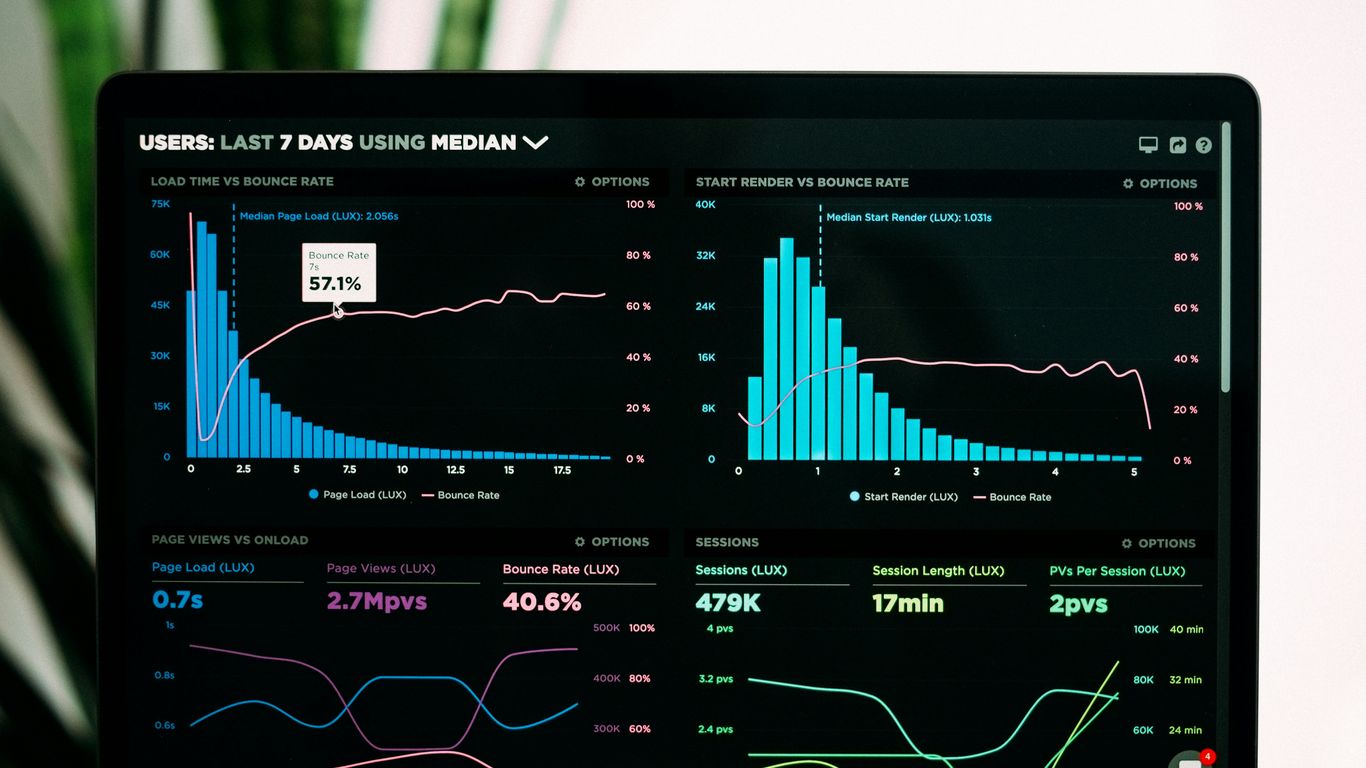
Okay, so we’ve got all this data, right? Now, how do we actually make it easy for people to look at and understand without their eyes glazing over? That’s where formatting comes in. We want our reports to be super clear and quick to grasp, not just a giant wall of numbers.
Using Trend Indicators and Color Coding
First off, let’s talk about making numbers pop. We use little arrows – you know, the up (↑), down (↓), and sideways (→) ones – right next to every number. This way, you instantly see if something’s going up, down, or staying put. No need to mentally compare two figures. And color coding? It’s our best friend. Green means good, like a nice jump in traffic. Amber is for ‘meh,’ things are flat or slightly down. Red? That’s a warning sign, something needs attention, fast. It makes spotting issues way easier.
Crafting Insightful Chart Titles
Forget boring chart titles like ‘Organic Traffic Data.’ Seriously, who gets excited about that? We prefer titles that tell a story, like ‘Organic Traffic Grew 18% YoY Driven by Service Page Optimisation.’ See the difference? It tells you what happened and why, right there. It’s way more helpful than just a label.
Limiting Data Points Per Page
Nobody wants to feel overwhelmed. We keep each page pretty clean, usually just three or four key pieces of data. This gives everything breathing room, especially if someone’s checking the report on their phone. We also skip dumping raw data tables into the main report. If you want the nitty-gritty, it’s in an appendix. For everyone else, we’ve got clear charts with the main number highlighted. It’s all about making the important stuff stand out.
A report that just shows numbers without explaining them is like a book with no words. It might look like a book, but it doesn’t tell you anything useful. We aim to tell the story behind the data, so everyone gets what’s going on and why it matters for the business. This helps us make better decisions about our ecommerce SEO services.
Here’s a quick rundown of how we keep things clear:
- Trend Arrows: Instant direction for every metric.
- Color Coding: Green for good, red for bad, amber for ‘meh’.
- Insightful Titles: Tell the story, not just label the chart.
- Clean Pages: Max 3-4 data points to avoid overwhelm.
- Appendices for Raw Data: Keep the main report focused.
Making your content easy to read and understand is super important. When people can quickly grasp what you’re saying, they’re more likely to stick around and learn more. Think about using clear headings, short sentences, and bullet points to break up big blocks of text. This helps everyone, from casual readers to busy professionals, get the main ideas without getting lost. Want to see how we make complex topics simple? Visit our website for more tips!
Wrapping It Up
So, there you have it. We’ve talked a lot about how to make SEO reports actually useful, not just another document to get buried in someone’s inbox. It really comes down to knowing who you’re talking to and what they care about. Forget just dumping data; we need to tell a story with it, connect it to actual business results, and always, always suggest what to do next. If we do this right, our reports won’t just be read, they’ll actually help us make smarter decisions and get better results. Let’s make our reporting count.
Frequently Asked Questions
Why is it so important to know who we're talking to when we make SEO reports?
Think about it like this: you wouldn’t explain a video game to your grandma the same way you’d explain it to your best friend, right? It’s the same with SEO reports. Different people care about different things. Your boss might only want to know if the SEO work is making money, while your tech team needs to know the nitty-gritty details of how to fix things. If we don’t tailor our reports, the important stuff might get lost, or people might just tune out because it’s too complicated or not relevant to them.
What's the deal with 'vanity metrics' and why should we avoid them?
Vanity metrics are those numbers that sound cool, like having tons of keywords or getting a lot of new links, but they don’t actually help the business make more money or grow. It’s like saying ‘we got a million likes on a post!’ – it feels good, but did it actually lead to anyone buying something? We want to focus on metrics that show how SEO is helping us reach our real goals, like getting more customers or making more sales, not just numbers that look good on paper.
Why do you keep talking about 'year-over-year' comparisons instead of 'month-over-month'?
Singapore has seasons, just like anywhere else! Think about shopping holidays or school breaks. If we just compare this month to last month, we might see a big drop, but it could just be because last month was a super busy holiday season. Comparing this month to the same month last year gives us a much clearer picture of whether our SEO efforts are truly improving things over time, without getting tricked by normal seasonal ups and downs.
What happens if we recommend changes but don't follow up on them?
That’s a big no-no! If we suggest fixing something or trying something new in one report, and then never mention it again, how do we know if it actually got done? Or if it worked? It’s like telling someone to clean their room but never checking if they did it. In our reports, we need to show what we recommended, if it was done, and what happened because of it. This keeps us accountable and helps us learn what works best.
How can we make sure the numbers in our reports are actually correct?
Accuracy is super important! Before we even start building a report, we need to double-check where our information is coming from, like Google Analytics or other tools. We should have a little checklist we go through every time to make sure everything is connected right and the data is clean. It saves us a lot of embarrassment and wasted time if we catch mistakes early, before we present a whole report based on wrong numbers.
Why is an 'Executive Summary' so important at the start of a report?
Most important people, like CEOs or busy managers, don’t have time to read a super long, detailed report. The executive summary is like the movie trailer for our report. It gives them the main points – what’s the big picture, what’s the most important thing happening, and what’s the one big thing we need to do next. If they only read that part, they still get the most crucial information to make decisions.
Related services from Digital Marketing Singapore: SEO, SEM, Social Media Marketing, Content Marketing, Website Design.

Natasha Tan is the founder of Digital Marketing Singapore, a full-service SEO and digital marketing agency based in Singapore. With hands-on experience across SEO, paid media, and content strategy, she works directly with Singapore businesses to build organic visibility and generate consistent leads. Natasha specialises in the Singapore market — including local search behaviour, PDPA compliance, and government grant navigation for SMEs.