
Key Takeaways
Performance marketing shifts the focus from broad visibility to measurable, action-oriented outcomes that directly influence revenue. It hinges on the idea that you only pay for results, making it a critical component for modern business growth.
- Pay only for specific actions like clicks or leads.
- Use real-time data to optimize ongoing campaigns.
- Focus on clear attribution to track every dollar spent.
- Leverage multiple channels to reach target audiences directly.
- Build sustainable growth through iterative, data-backed testing.
Understanding the basics of performance marketing
When we talk about the landscape of digital growth, the conversation inevitably turns toward how businesses spend their budgets and verify their impact. Performance marketing represents a fundamental change in how teams view ad spend by prioritizing measurable ROI over passive impressions. At Digital Marketing Singapore, we recognize that this approach is essential for companies looking to maximize their marketing capital while maintaining transparency throughout the process.
The shift from brand awareness to ROI
Moving away from pure visibility means businesses no longer spend money without a concrete expectation of return. Instead of paying a flat fee to appear on a website, we prioritize activities that lead to clear conversions. This mindset allows organizations to verify that their budget is contributing directly to the bottom line rather than just vanity metrics.
Defining the modern digital marketing ecosystem
Today, the digital environment is incredibly complex, requiring a sophisticated mix of platforms and tactics to stay competitive. It includes everything from search engine results to social media engagement, all working together to form a cohesive funnel. When everything is tracked properly, practitioners can observe how various touchpoints influence a buying decision.
How performance marketing differs from traditional advertising
Traditional advertising often relies on broad reach, where you pay for space regardless of who sees the ad or how they interact with it. In contrast, performance techniques involve specific targets and measurable user engagements. Consider these primary differences between the two methodologies:
This is essentially the promise behind a well-run PPC account: every dollar is tied to a specific action rather than spread thin across an audience that may never engage.
- Direct correlation between spending and actionable outcomes.
- Greater access to granular data for faster campaign iteration.
- Improved accountability through objective attribution models.
- Enhanced ability to pivot strategies based on immediate results.
These factors ensure that every dollar has a purpose and a trackable end goal, which is why Digital Marketing Singapore emphasizes this approach for our clients.
How performance marketing actually works
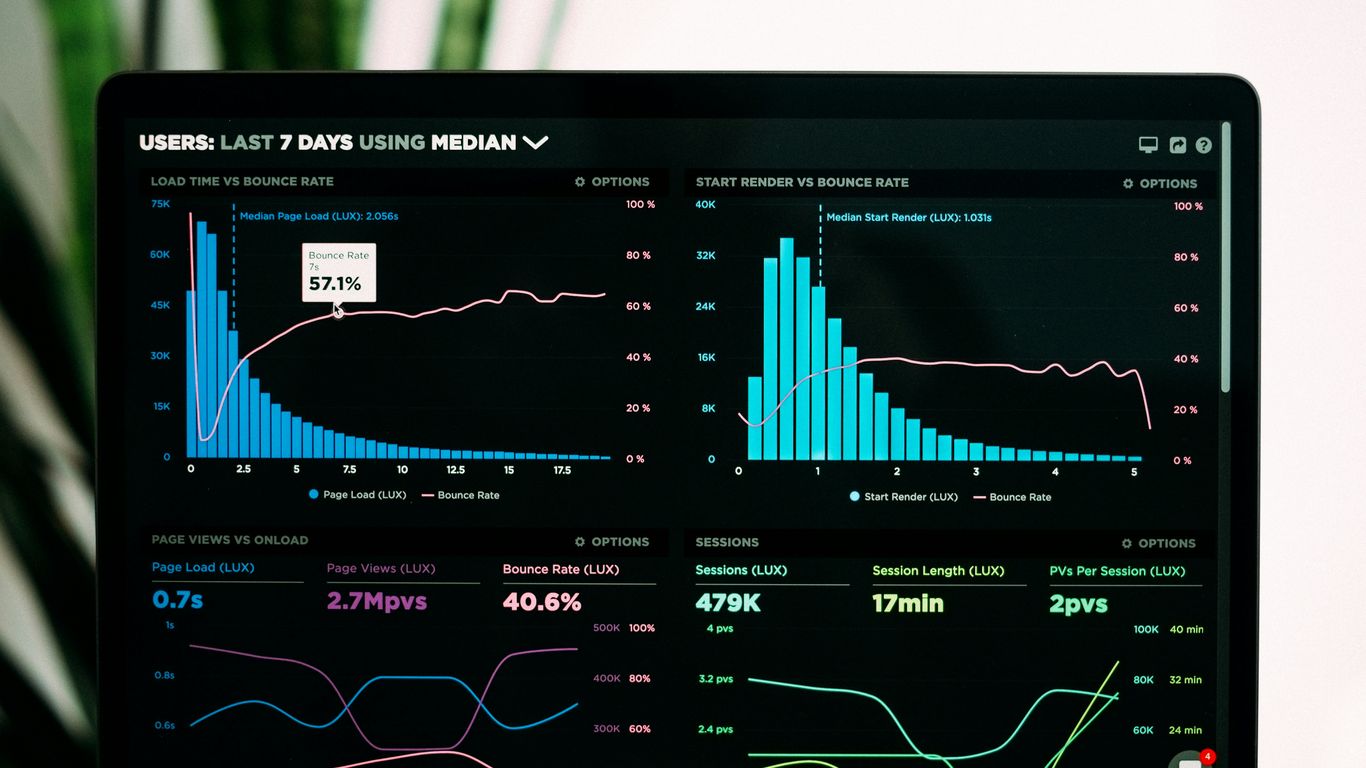
Working within this model requires a technical setup that tracks every user move from the first click to the final purchase. Attribution software connects these dots, showing exactly which creative assets or keywords prompted the action. Without this layer of technology, it would be impossible to justify the costs or optimize the performance of a campaign in real time.
The role of data tracking and attribution
Data tracking forms the backbone of any campaign, providing the transparency needed to understand what works and what does not. Proper attribution ensures that publishers are credited correctly for their contribution, which avoids double-counting and ensures financial accuracy. This layer of oversight provides the clear evidence of impact needed for scaling.
Understanding common payment models like CPA and CPC
Payment models dictate the financial risk for the advertiser, allowing them to align ad spend with revenue cycles. By selecting a model that matches business goals, teams can better manage their resources and ensure that each budget allocation is used effectively.
| Model | Primary Focus | Best For |
|---|---|---|
| CPC | Traffic quality | Increasing web visits |
| CPA | Business conversion | Lead generation focus |
| CPM | Brand visibility | Large audience reach |
These models allow marketers to adjust their commitment level based on the specific phase of their current campaign.
The relationship between advertisers and publishers
These partnerships thrive when there is mutual interest in achieving high conversion rates. Advertisers provide the creative content, while publishers provide the platform where audiences are ready to engage. This collaborative effort ensures that both parties stay aligned on the metrics that define success.
Key channels used in performance campaigns
Reaching the right people requires choosing channels where your audience is already active and receptive to your messaging. It is rarely about showing up on every platform but rather showing up on the ones that consistently deliver the best results. We build campaigns with this specificity in mind, ensuring no bandwidth is wasted on ineffective outlets.
Leveraging social media advertising
Social networks allow for precise demographic targeting, letting us reach people based on their specific behaviors and interests. By testing different creative formats, we can determine which visuals drive the most engagement in specific segments. This is a core capability Digital Marketing Singapore uses to connect products with relevant users.
Running this kind of testing consistently is core to a mature social media marketing operation, since the winning creative format rarely stays the same for more than a few months.
Exploring search engine marketing for quick wins
Search marketing provides an immediate path to visibility when users are actively looking for solutions. Because the audience is self-selecting by typing in specific queries, the conversion potential is typically much higher than in other formats. It acts as an essential component for capturing immediate market interest.
Utilizing affiliate and influencer partnerships
Working with external partners can expand your reach into trusted communities that you might not be able to access alone. These partners act as intermediaries, introducing your brand to their established audience in a way that feels organic and authentic. When the incentives are performance-based, it ensures that partners are motivated to produce actual results.
Display and programmatic advertising options
Programmatic buying uses automation to purchase ad space in real time, streamlining the process of reaching users across a vast network of sites. This approach handles the heavy lifting of inventory management, allowing marketers to focus on refining their audience segments. It offers a scalable way to maintain visibility without needing to negotiate individual deals.
Benefits of adopting a performance-based approach
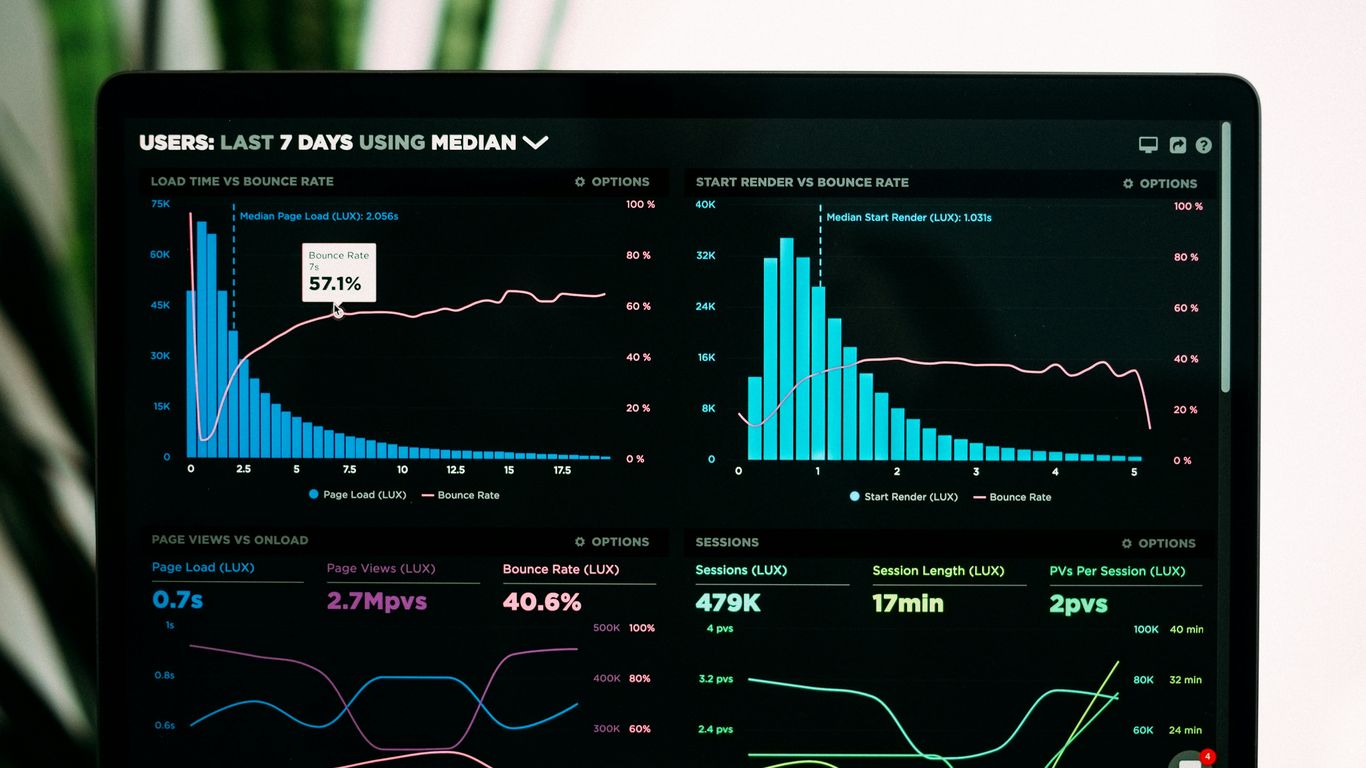
Seeing results in real time allows for much faster decision-making than traditional models ever allowed. When we can see how people interact with our ads within minutes of launch, we can adjust our messaging or audience parameters to save money and increase conversion volume. This responsiveness is the true value of performance-focused workflows.
Measuring real-time return on investment
Instant feedback loops allow us to calculate the exact ROI of a specific spend. By watching the numbers climb, we can identify which campaigns are winners and double down on them immediately. This precision takes the guesswork out of planning and makes it easier to justify expenses to stakeholders.
Reducing financial risk with pay-for-action models
Paying for actions rather than just potential, or empty impressions, inherently protects the budget. If a test does not generate the expected response, the exposure costs remain controlled, preventing a drain on your marketing budget. It is a safer way for businesses to test new channels or products.
Using granular data to scale successful tactics
Once a campaign proves its value, the collected data informs precisely how to grow it further. We look for patterns in the audience demographics and behaviors, then use those insights to refine our targeting for future rounds. This scientific cycle of testing and scaling is how performance strategies evolve over time.
Common challenges and pitfalls to avoid
Success in this space requires more than just launching an ad and hoping for the best. There are technical and creative hurdles that can quickly erode the performance of a campaign if they are not monitored correctly. Vigilance is the only way to avoid wasted spend and maintain long-term momentum.
Search campaigns carry their own version of these hurdles too, which is why a dedicated SEM specialist is usually worth the investment once budgets grow past a certain size.
Managing ad fatigue and creative burnout
When audiences see the same advertisement too many times, their interest drops and results collapse. Regularly refreshing visuals and messaging keeps the content fresh and relevant for your target group. Without active management, even high-performing campaigns will naturally lose their impact.
Maintaining brand safety across networks
Ensuring that your brand content does not appear next to irrelevant or harmful material is essential for reputational integrity. You must be careful about which publishers and programmatic exchanges you choose to work with to stay in control of the experience. Guarding your brand identity is just as important as generating clicks.
Navigating privacy regulations and tracking limitations
Increasing concern for user privacy has placed new restrictions on how external systems collect behavioral data. Adapting to these changes requires finding new, compliant ways to measure impact without relying on outdated tracking techniques. Relying on first-party data is becoming increasingly important for reliable analysis.
Building an effective performance marketing strategy
An effective strategy is rarely built in isolation; it requires a deep understanding of the customer journey from search to checkout. We start by mapping out the potential path for a customer and identifying where we can influence them most effectively. From there, it is about aligning our internal goals with the external reality of the market.
Setting clear goals and KPIs for success
Before spending a dollar, define what success looks like in concrete terms. Are you looking for top-of-funnel awareness, or is this campaign strictly about bottom-line sales? Once these targets are set, they become the guiding light for every adjustment we make to the campaign.
Choosing the right platforms for your target audience
Choosing where to bid depends heavily on where your customers interact most often. If your business is highly visual, image-heavy social platforms might be prioritized, whereas service-based businesses usually benefit more from search visibility. Match your channel selection to the natural environment of your ideal customer.
Balancing user acquisition with long-term retention
Acquiring a new customer is only part of the goal; ensuring they come back is just as vital for healthy business growth. By using your performance data to build loyalty programs or email sequences, you extend the value of each customer you acquire. It is this long-range perspective that ultimately determines the sustainability of your business.
Conclusion
Performance marketing is a precise tool for growth that prioritizes actual results over mere exposure. By setting clear KPIs, tracking data accurately, and allowing for constant refinement, businesses can manage their spend with confidence. Whether starting or scaling, a commitment to this data-driven mindset is what ultimately builds a lasting competitive advantage.
Tying these KPIs back to a single digital marketing reporting framework keeps every channel accountable to the same revenue goals instead of optimising in silos.
Frequently Asked Questions
Is performance marketing meant for small businesses?
Yes, it is highly accessible for businesses of all sizes because it allows you to start with smaller budgets while minimizing financial risk by paying only for successful actions.
What are the most common metrics to watch?
Key metrics typically include cost per click, cost per acquisition, return on ad spend, and conversion rate, reflecting the specific goals chosen for the campaign.
How long does a campaign take to show results?
Campaigns can often show initial performance data within the first few days, though it usually takes a few weeks of active optimization for the algorithms to find the most efficient audience segments.
Does this approach replace traditional marketing?
Not necessarily, as many companies find success using performance techniques alongside other brand-building activities that create broader awareness and trust in the marketplace.
How does privacy legislation affect tracking?
New privacy regulations limit the amount of cross-site tracking data available, often shifting the priority toward first-party data collection and transparent user consent to maintain accurate measurements.
Can I automate my entire performance strategy?
While automation helps with bidding and ad placement, the strategy, creative oversight, and goal-setting still require human analysis to ensure the campaign remains aligned with brand values.
What happens if an ad strategy is not performing?
If tests show poor results, the model allows you to pivot immediately by cutting funding to the underperforming creative or targeting segments and reallocating resources to areas that yield higher returns.
For the wider picture on scope, reporting and cost, see our guide to what a performance marketing agency in Singapore actually does.

Natasha Tan is the founder of Digital Marketing Singapore, a full-service SEO and digital marketing agency based in Singapore. With hands-on experience across SEO, paid media, and content strategy, she works directly with Singapore businesses to build organic visibility and generate consistent leads. Natasha specialises in the Singapore market — including local search behaviour, PDPA compliance, and government grant navigation for SMEs.