
Getting the most bang for our buck in digital marketing is super important. Here are the main things we learned to help us do just that:
Key Takeaways
- Know what digital marketing ROI really means and why tracking it is a big deal for our business.
- Figure out which marketing channels are giving us the best results and put more effort there.
- Keep an eye on important numbers like how much it costs to get a customer and how much they’re worth over time.
- Use new tools like AI to make our marketing smarter and connect with people better.
- Always look for ways to improve our marketing, like tweaking our sales process or using automation.
Understanding Your Digital Marketing ROI
Okay, let’s talk about what "Digital Marketing ROI" really means today. We’re all spending time and money on our online efforts, right? From social media ads to email campaigns, we’re putting resources out there. The big question is: what are we actually getting back? That’s where ROI, or Return on Investment, comes in. Simply put, it’s about comparing the money we spend on marketing to the money we make because of it.
What Digital Marketing ROI Means Today
Think of it like this: you buy ingredients for a cake (your marketing spend), and then you sell slices of cake (the revenue generated). ROI tells you if you made a profit on that cake. Today, it’s not just about a quick sale, though. It’s about understanding the whole picture. Did that ad campaign bring in customers who will buy from us again and again? Did our blog posts lead to actual sales down the line? We need to see the real financial return for every dollar we invest. It’s about making sure our marketing isn’t just making noise, but actually contributing to our bottom line.
Why Measuring Your Digital Marketing ROI Is Crucial
Honestly, if we’re not measuring, we’re just guessing. And guessing with our marketing budget? That’s a recipe for disaster. Measuring ROI helps us see what’s working and, more importantly, what’s not. It lets us:
- See which campaigns are actually making us money. We can stop pouring cash into things that aren’t paying off.
- Justify our marketing spend. When we can show solid numbers, it’s easier to get the budget we need for future projects.
- Make smarter decisions. Knowing our ROI helps us figure out where to put our money next, so we’re always improving.
Without tracking our ROI, we’re essentially flying blind. We might be spending a lot of time and money, but if we don’t know if it’s bringing in actual revenue, we’re missing out on opportunities to grow. It’s the difference between hoping for success and knowing we’re on the right track.
Calculating Your Marketing Return Accurately
So, how do we actually figure this out? The basic idea is pretty straightforward. You take the money you earned from your marketing efforts and subtract the money you spent on those efforts. Then, you divide that number by the cost of the marketing. Here’s a simple way to look at it:
ROI = (Revenue from Marketing – Marketing Cost) / Marketing Cost
Let’s say we spent $1,000 on a social media ad campaign and it brought in $5,000 in sales directly related to that campaign. The calculation would look like this:
- Revenue: $5,000
- Marketing Cost: $1,000
- ROI = ($5,000 – $1,000) / $1,000 = $4,000 / $1,000 = 4
This means for every dollar we spent, we got $4 back. We can also express this as a percentage: 400%. It’s important to be clear about what counts as "revenue" and "marketing cost" to get the most accurate picture. We need to track things like customer acquisition cost and customer lifetime value too, as they give us a deeper look beyond just the initial sale.
Strategies for Boosting Digital Marketing ROI
So, we’ve talked about what ROI means and why it’s a big deal. Now, let’s get down to the nitty-gritty: how do we actually make our marketing efforts pay off more? It’s not just about spending money; it’s about spending it wisely and making sure every dollar is working hard for us. We need to be smart about where we put our energy and our budget.
Focusing On Your Top-Performing Channels
Look, not all marketing channels are created equal. Some might be bringing in a ton of business, while others are just kind of… there. We need to figure out which ones are actually driving results for us. This is where looking at our data really comes into play. We can use our analytics tools to see which channels are bringing in the most customers, the most sales, or the most leads that actually turn into customers. Once we know that, we can put more of our time and money into those winning channels. It’s like finding the golden ticket – why waste resources on something that isn’t working when you’ve got a surefire winner?
For example, if our email marketing campaigns are consistently bringing in high-quality leads and sales, maybe it’s time to invest a bit more in building our email list or creating even better email content. Or, if our paid search ads for specific keywords are converting like crazy, we should probably double down on those keywords and maybe even increase our ad spend there. It’s about being strategic and not just spreading ourselves thin across every single platform out there.
Refining Your Conversion Funnel for Better Results
Okay, so we’re getting people to our website or landing page – that’s great! But what happens next? This is where the conversion funnel comes in. Think of it as the journey a potential customer takes from first hearing about us to actually buying something. We need to make sure this journey is as smooth and easy as possible. If people are dropping off at a certain point, we need to figure out why and fix it.
This might mean:
- Making sure our website loads super fast.
- Simplifying our checkout process so it’s not a headache.
- Having clear calls to action that tell people exactly what to do next.
- Making sure our landing pages are super relevant to the ads people clicked on.
- Offering different payment options that work for most people.
We can use tools like heatmaps or session recordings to see where people are getting stuck or confused on our site. Fixing these little hiccups can make a big difference in how many people actually complete the desired action, whether that’s making a purchase, signing up for a newsletter, or filling out a contact form.
Leveraging Data-Driven Marketing Insights
This is the big one, really. We can’t just guess what’s working anymore. We have to let the data guide us. Every click, every view, every conversion – it all tells a story. By paying close attention to our analytics, we can spot trends, identify what’s performing well, and, just as importantly, see what’s not.
We need to be constantly looking at the numbers and making adjustments based on what they tell us. It’s not a set-it-and-forget-it kind of thing. The digital marketing world changes fast, and our strategies need to keep up. Being data-driven means we’re always optimizing, always improving, and always making sure our marketing budget is being used in the smartest way possible.
For instance, if we see that a particular ad creative is getting a lot of clicks but very few conversions, we know that the ad itself might be misleading or not attracting the right audience. We can then test out new ad copy or visuals to see if we can improve that conversion rate. Or, if we notice that customers who come from a specific source tend to have a higher lifetime value, we might want to focus more acquisition efforts on that source. It’s all about using the information we have to make better decisions and get more bang for our buck.
Key Metrics for Measuring Digital Marketing ROI
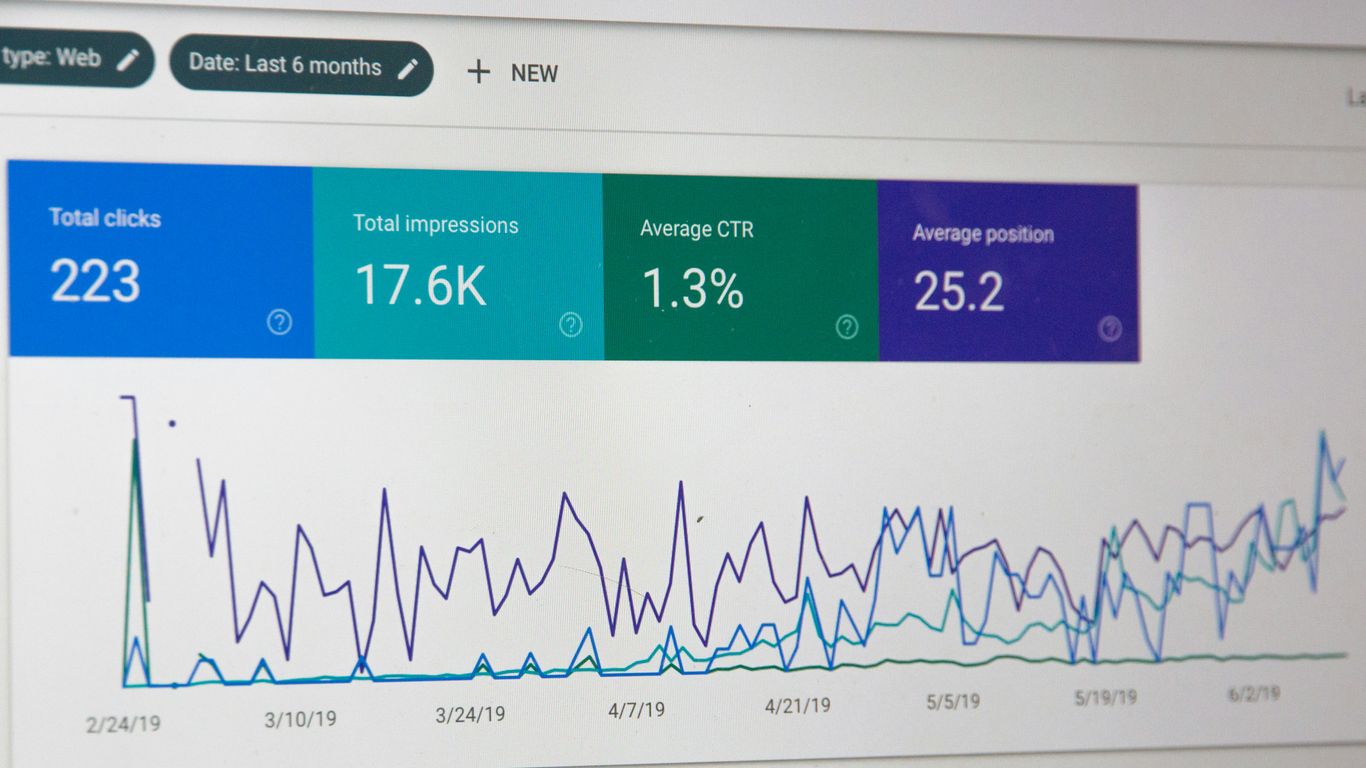
Alright, so we’ve talked about why measuring your digital marketing return is a big deal. Now, let’s get down to the nitty-gritty: what numbers do we actually look at? It’s not just about the total money made versus spent, though that’s a big part of it. We need to dig a bit deeper to really see what’s working and what’s not.
Setting Clear, Actionable KPIs
First off, we need to know what we’re aiming for. Just saying "increase sales" isn’t really enough. We need specific goals, or Key Performance Indicators (KPIs). Think of them as your roadmap. Without clear KPIs, you’re just driving blind. We want goals that are specific, measurable, achievable, relevant, and time-bound (SMART, remember?). For example, instead of "get more leads," a good KPI would be "increase qualified leads from our blog by 15% in the next quarter."
Here are a few types of KPIs we often look at:
- Conversion Rate: This tells us how many people who saw our ad or visited our page actually did what we wanted them to do – like sign up for a newsletter, download something, or make a purchase. It’s a solid indicator of how well our message and offer are landing.
- Cost Per Acquisition (CPA): How much does it cost us, on average, to get one new customer? Knowing this helps us figure out if our marketing spend is actually making us money.
- Customer Lifetime Value (CLV): This is a big one. It’s the total amount of money we expect a customer to spend with us over their entire relationship with our brand. If our CLV is high, it means we’re doing a good job keeping customers happy and getting repeat business.
Understanding Customer Lifetime Value
Speaking of CLV, let’s spend a moment on this. It’s easy to get caught up in the immediate sale, but CLV gives us a much bigger picture. It helps us understand the long-term worth of acquiring a customer. If it costs us $50 to get a new customer, but we know they’ll likely spend $500 over the next few years, that’s a pretty good deal, right? Focusing on increasing CLV can be more profitable than just chasing new, one-time sales. It means we need to think about customer retention, loyalty programs, and providing ongoing value.
Tracking Cost Per Acquisition and Lead
We touched on CPA, but let’s break down Cost Per Lead (CPL) too. CPL is similar to CPA, but it measures how much it costs to get just a lead – someone who has shown interest but hasn’t bought yet. We can calculate this by taking the total cost of a campaign and dividing it by the number of leads it generated.
| Metric | Formula |
|---|---|
| Cost Per Lead | Total Campaign Cost / Number of Leads |
| Cost Per Acq. | Total Campaign Cost / Number of Customers |
Knowing both CPL and CPA helps us see where we might have bottlenecks. Maybe we’re getting tons of leads (low CPL), but they’re not turning into customers (high CPA). That tells us we need to look at our sales process or lead qualification. Or maybe our CPA is great, but our CPL is through the roof, meaning it’s costing us a lot to even get people interested in the first place. It’s all about connecting these dots to make smarter decisions about where our money is going.
It’s easy to get lost in the numbers, but remember that each metric is a clue. They tell a story about how people are interacting with our brand and what we can do better. Don’t just track them; use them to make real changes.
The Role of AI and Technology in ROI
AI's Impact on Consumer Interaction
We’re seeing a big shift in how people interact with brands, and AI is a huge part of that. It’s not just about chatbots anymore; AI is changing the whole game. Think about how much more personalized things are becoming. AI can analyze a ton of data to figure out what each person likes and needs, making our marketing messages way more on-point. This means we can connect with potential customers on a much deeper level, making them feel understood. It’s like having a really good personal shopper for everyone, all the time.
Embracing AI Search Over Traditional Search
Remember when we all just typed keywords into Google? Well, that’s changing fast. AI-powered search is becoming the new normal. Instead of just matching keywords, AI search understands what we’re really looking for, even if we don’t say it perfectly. This means our content needs to be more helpful and answer questions directly, not just stuff them with keywords. We need to think about how people ask questions naturally and make sure our answers are right there. It’s a big change, but it means we can reach people who are actively looking for solutions we offer.
Integrating AI into Your Marketing Technologies
If we’re not already, we really need to start bringing AI into our marketing tools. Lots of leaders are already doing this. It’s not just about having the latest tech; it’s about making our marketing smarter and more efficient. AI can help us automate tasks, get better insights from our data, and even predict what might happen next. This frees up our teams to focus on the creative stuff and strategy, rather than getting bogged down in repetitive work. Making AI a core part of our tech stack is key to staying competitive and getting the best results.
Here are a few ways AI is changing things:
- Smarter Targeting: AI helps us find the right people to talk to, not just a lot of people.
- Better Content: AI can help us create more relevant and engaging content for different audiences.
- Predictive Analytics: We can start to guess what customers might do next, so we can be ready.
- Automated Workflows: Repetitive tasks can be handled by AI, saving us time and money.
The way consumers find information and make decisions is evolving rapidly. By integrating AI into our marketing technology, we can adapt to these changes, personalize our outreach, and ultimately improve our return on investment. It’s about working smarter, not just harder.
Optimizing Your Marketing Budget for ROI
So, we’ve talked about what ROI means and why it’s a big deal. Now, let’s get down to the nitty-gritty: how do we actually make our marketing budget work harder for us? It’s not just about spending money; it’s about spending it smart. We want every dollar to count, right? This means we need to be really clear about where our money is going and what we’re getting back.
Smart Spending for Sustainable Growth
Think of your marketing budget like a garden. You wouldn’t just throw seeds everywhere and hope for the best. You’d figure out which spots get the most sun, which soil is best, and plant accordingly. It’s the same with our marketing. We need to identify what’s actually growing and producing results, and then give those areas more attention. This isn’t about cutting corners; it’s about being strategic so we can keep growing without constantly asking for more cash.
Allocating Resources to High-Impact Channels
We all have a bunch of marketing channels we’re using – maybe email, social media, paid ads, content. The trick is figuring out which ones are actually bringing in the most bang for our buck. We can use our data to see which channels are leading to actual sales or valuable leads, not just likes or clicks. If our email campaigns are consistently bringing in customers at a low cost, maybe it’s time to put a bit more into that. Conversely, if a channel isn’t performing, we might need to rethink our approach there or even shift resources elsewhere.
Here’s a quick look at how we might think about it:
| Channel | Cost per Acquisition (CPA) | Customer Lifetime Value (CLV) | ROI Score | Notes |
|---|---|---|---|---|
| Email Marketing | $15 | $250 | High | Consistent, high CLV, low CPA |
| Social Ads | $50 | $180 | Medium | High reach, but CPA needs watching |
| SEO | $25 | $300 | High | Long-term investment, great CLV |
| Paid Search | $40 | $200 | Medium | Good for immediate results, CPA varies |
We need to constantly ask ourselves: ‘Is this channel contributing to our bottom line in a meaningful way?’ If the answer is shaky, it’s time for a closer look.
The Power of Marketing Automation Tools
Honestly, trying to manage everything manually is a recipe for burnout and missed opportunities. Marketing automation tools are game-changers. They can handle repetitive tasks like sending follow-up emails to leads who downloaded a guide, or segmenting our audience for more targeted campaigns. This frees up our time to focus on the bigger picture stuff, like strategy and creative work. Plus, automation often leads to more consistent and personalized communication with our audience, which usually means better results and a happier customer.
Think about it:
- Lead Nurturing: Setting up automated email sequences that guide potential customers through the buying process based on their actions.
- Personalization: Automatically tailoring messages or offers based on a user’s past behavior or preferences.
- Reporting: Generating performance reports automatically, saving us hours of manual data compilation.
By using these tools effectively, we can make our marketing efforts more efficient and, you guessed it, boost our ROI.
Achieving Long-Term Digital Marketing ROI Success
The Importance of Continuous Optimization
Look, getting your digital marketing to pay off isn’t a one-and-done deal. It’s more like tending a garden. You plant the seeds, water them, and then you have to keep an eye on things, right? You pull out the weeds, maybe add some fertilizer, and adjust where the sun hits. That’s what continuous optimization is for our marketing efforts. We can’t just set up a campaign and forget about it. We need to constantly check how it’s doing, see what’s working and what’s not, and then tweak it. This ongoing attention is what really separates campaigns that just survive from those that truly thrive and bring in steady results year after year. It means looking at the data, not just once in a while, but regularly. Are people clicking? Are they buying? Are they coming back? If not, why? We need to be ready to change things up based on what the numbers tell us. It’s about being flexible and always looking for ways to do things a little bit better.
Aligning Sales and Marketing for Revenue Growth
Sometimes, marketing and sales teams can feel like they’re on different planets. Marketing might be bringing in a ton of leads, but if sales isn’t following up effectively or if they’re not on the same page about what a good lead looks like, then all that marketing effort can go to waste. We need to make sure these two departments are working together like a well-oiled machine. When sales and marketing are aligned, they can share information, understand each other’s goals, and create a smoother journey for the customer. This means marketing can provide sales with better-qualified leads, and sales can give marketing feedback on which leads are turning into actual customers. This kind of teamwork directly impacts our bottom line, making sure that the leads we work so hard to get actually turn into revenue.
Seeking Professional Assistance for Better Returns
Let’s be honest, sometimes we don’t have all the answers, and that’s perfectly okay. The digital marketing world changes so fast, and trying to keep up with every new trend, tool, and algorithm can be exhausting. If we’re finding that our marketing efforts aren’t hitting the mark, or if we’re struggling to get a clear picture of our ROI, it might be time to bring in some outside help. Think of it like needing a specialist doctor when you have a complex health issue. A good marketing agency or consultant can bring fresh eyes, specialized knowledge, and proven strategies that we might not have in-house. They can help us identify blind spots, implement advanced tracking, and develop a more effective plan. Investing in professional help isn’t a sign of failure; it’s a smart move to ensure we’re getting the best possible return on our marketing investment. They can help us get unstuck and move forward with more confidence.
Want to see your digital marketing efforts pay off for a long time? It’s all about smart planning and consistent work. We help businesses grow by making sure their online ads and content keep bringing in customers, not just for a little while, but for the long haul. Ready to see real results that last? Visit our website today to learn how we can boost your business!
Conclusion
So, we’ve talked a lot about making sure our digital marketing efforts actually pay off. It’s not just about throwing money at ads and hoping for the best. We need to be smart about it. By really understanding what digital marketing ROI means today, using the right tools to measure it, and always looking for ways to do things better, we can make sure our marketing dollars are working hard for us. It’s about being clever, using the data we have, and not being afraid to change things up when they aren’t working. Doing this means our marketing doesn’t just look good on paper; it actually helps our business grow.
Frequently Asked Questions
What exactly is digital marketing ROI?
Think of it like this: you spend some money on advertising, right? Digital marketing ROI is just a way to see how much money you got back from that spending. If you spent $100 and made $500, your ROI is pretty good! It shows if your marketing is making you money.
Why should we care about ROI in 2026?
Because money doesn’t grow on trees! In 2026, things are moving fast. We need to know what’s working so we don’t waste money on stuff that doesn’t bring in sales. It helps us spend our budget wisely and grow our business.
How do we figure out our ROI?
It’s a simple math problem, really. You take the money you made from your marketing, subtract the money you spent on it, and then divide that by how much you spent. Then, multiply by 100 to get a percentage. So, if you made $500 and spent $100, it’s ((500 – 100) / 100) * 100, which is 400%.
What's a 'good' ROI number?
That’s a bit tricky. A 5-to-1 return is usually seen as strong, meaning for every dollar you spend, you get five dollars back. A 10-to-1 is even better! But it really depends on your business and what you sell. Some businesses do great with a 3-to-1.
How can AI help with our marketing ROI?
AI is like having a super-smart assistant. It can help figure out what people like, write ads, and even make sure you’re showing the right ad to the right person. It can make things faster and more effective, which usually means a better return on your money.
What if our marketing isn't giving us a good ROI?
Don’t panic! It just means it’s time to look closer. Maybe you’re using the wrong channels, or your ads aren’t quite right. We can look at the numbers, see what’s not working, and try different things. Sometimes, small changes make a big difference.
Maximising ROI usually comes down to which channels you combine, not just one — pairing it with our SEO services helps the content actually get found, while our Google Ads management team can run the paid side for you. On top of that, our social media marketing team can keep the organic side consistent, and a stronger website design makes sure that traffic actually converts once it lands, and a broader search engine marketing push tends to bring the cost per lead down.
Explore Our Services

Natasha Tan is the founder of Digital Marketing Singapore, a full-service SEO and digital marketing agency based in Singapore. With hands-on experience across SEO, paid media, and content strategy, she works directly with Singapore businesses to build organic visibility and generate consistent leads. Natasha specialises in the Singapore market — including local search behaviour, PDPA compliance, and government grant navigation for SMEs.