Key Takeaways
Navigating the world of influencer partnerships requires a clear strategy and the right tech stack. Here are five essential points to consider when selecting an influencer marketing platform for your business:
- Define specific marketing goals before evaluating software features.
- Analyze pricing tiers to match your budget and scalability needs.
- Prioritize platforms that offer deep filtering for niche-specific influencer discovery.
- Ensure your chosen tool integrates seamlessly with your existing e-commerce and CRM systems.
- Focus on data security and AI-powered vetting to maintain high brand safety standards.
Define your influencer marketing goals
Starting your quest for the perfect tool begins with an honest look at what you want to achieve, as not all software solutions serve the same purpose. We find that brands often jump into subscriptions without first outlining their primary hurdles or desired outcomes, which usually leads to wasted resources and poor campaign alignment.
Identifying your target audience demographics
Knowing exactly who your ideal customers are allows you to select a tool that provides the specific data views you actually need. You shouldn’t settle for platforms that provide only generic top-level figures when your growth depends on understanding the specific age, location, and interest groups of an influencer’s audience.
Differentiating between brand awareness and conversion goals
If you are aiming for broad reach, you need tools that prioritize reach metrics and virality potential, whereas conversion-focused campaigns require granular tracking, affiliate link management, and robust attribution reporting. Understanding this distinction early saves you from picking a platform that excels in one area while completely ignoring your specific, measurable sales requirements.
Matching platform tools with your specific growth stage
Your needs as a startup usually differ from those of an established enterprise, so look for a platform that can grow alongside you. You want a partner that provides effective marketing services while ensuring you don’t overpay for enterprise-grade features you aren’t ready to use yet.
Evaluate your budget and pricing models
Selecting a tool involves a delicate dance between paying for what you need today and anticipating the costs of scaling your operations tomorrow. We often see teams fixated on the introductory monthly rate, forgetting that platforms can become significantly more expensive as you add users, seats, or campaign volume.

Understanding recurring subscription fees versus pay-per-use
Some platforms lock you into heavy, multi-year plans, while others offer flexible, usage-based pricing that feels much safer for seasonal brands. We generally recommend starting with a tier that allows you to test the platform’s utility before committing to major recurring expenses.
Recognizing hidden costs like agency fees or enterprise add-ons
Always ask for a transparent breakdown of what is included in your base fee, as many providers charge extra for historical data access, advanced analytics, or priority support. To help our teams make better financial decisions, we often use a comparison framework like the one provided below.
| Feature Type | Basic Tier Scope | Enterprise Scope | Additional Costs |
|---|---|---|---|
| Influencer Search | Top 5 filters | Unlimited / AI search | Setup fees apply |
| Campaign Tracking | Basic Reach | Real-time Attribution | Module add-on |
| Expert Support | Email/Chat | Dedicated Manager | High premium |
Balancing tool cost with potential return on investment
It is easy to focus only on the cost, but calculating the return often reveals that a higher-priced tool that automates manual labor is actually the cheaper overall option. When you factor in the man-hours saved, even a significant monthly investment provides tangible value to your bottom line.
Assess the database reach and niche quality
Having access to millions of profiles means nothing if those profiles do not align with your specific industry requirements. Quality should always outweigh quantity in your search for the right partner, as finding a few authentic, highly-aligned influencers is better than having access to thousands of irrelevant contacts.
The importance of filter depth in influencer discovery
Advanced filtering is the backbone of discovery, allowing you to slice through massive databases using criteria like audience interests, content style, and brand affinity. If you are struggling to narrow down your list, it might be time to find a solution like Upfluence that offers precise search tools matching creators to your brand’s specific creative tone.
Verifying follower authenticity and engagement metrics
Bot traffic and artificial engagement are common issues, so you need tools that perform deep audts of an account’s true reach. Reliable platforms automatically flag suspicious behavior, ensuring your campaign budget goes toward real people who truly influence their communities.
Finding platforms with regional or industry-specific expertise
If you serve a localized market, you need a database that isn’t just global-facing but understands regional nuances and language-based influencer networks. Prioritizing platforms with specific regional coverage ensures that the recommendations you get are actually relevant to your local customer base.
Look for campaign management and reporting features
Once discovery is done, the real work begins with day-to-day coordination between your team and your creators, which can quickly become chaotic without centralized, built-in communication tools. We believe that reducing the friction in your management workflows is the most effective way to produce high-quality, consistent output.
Streamlining communication with built-in messaging tools
Email chains are notoriously difficult to track, so platforms like Aspire that gather all creator interactions in one central hub can be a game changer for your team’s sanity. Keeping track of contracts, payment terms, and creative briefs in one place prevents documents from getting lost or misinterpreted.
Real-time tracking of KPIs and performance data
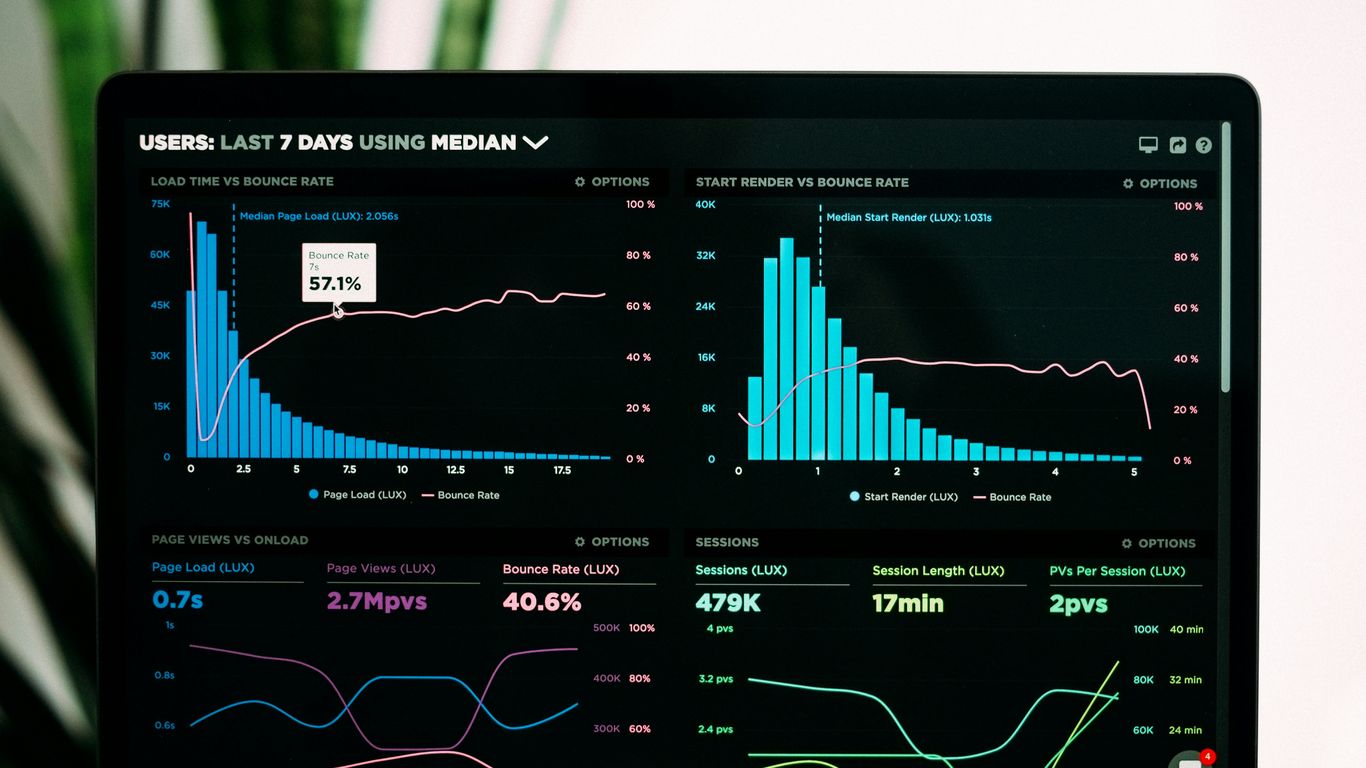
Seeing results as they happen allows you to pivot your strategy during the campaign rather than analyzing failures after it ends. Look for systems that offer automated data refreshes and customizable reporting dashboards so that you can quickly answer questions from stakeholders.
Automating content approval and scheduling workflows
Manual approvals are slow, but a good platform allows you to automate the proofing process, ensuring you only spend time on content that meets your guidelines. We find that the following workflow steps are essential for any team running more than one campaign:
- Automated content intake from influencer accounts.
- Built-in compliance checks for required brand disclosures.
- One-click approval or revision request buttons.
- Scheduled tracking of link performance and engagement signals.
Consider technical integrations and workflow compatibility
Your influencer tools should talk to the existing stack you already use, creating a seamless flow of data that helps your broader marketing efforts. If a tool lives in a silo, it creates redundant work that ultimately slows down your team’s efficiency.
Connecting via API with your CRM and e-commerce store
True integration means that sales generated from influencer codes show up right in your backend without you having to manually input data. Tools like Sprout Social Influencer Marketing facilitate these connections, closing the loop between a creator’s post and your actual store conversions.
Integrating with email marketing and analytics software
Your influencer campaigns are part of a larger puzzle, and integrating with your existing email tools allows you to retarget the audiences that influencers bring to your brand. Making sure your tech stacks are compatible is essential for driving consistent growth throughout your entire marketing lifecycle.
Evaluating the learning curve for your team
Powerful features are useless if your team is too intimidated or busy to use them effectively, so always consider the time it takes to onboard people onto the new software. A platform might have all the bells and whistles, but if it takes weeks to understand, it is likely the wrong choice for a lean, active marketing team.
Prioritize data security and influencer vetting tools
Protecting your brand requires that you verify the people representing you, which involves more than just looking at their feed. Rigorous vetting processes help prevent brand-damaging partnerships before they even start.
Preventing fraud through AI-powered audit tools
AI now plays a massive role in detecting automated engagement, allowing you to reject profiles that don’t pass a basic authenticity check. This proactive filtering is standard practice for modern brands that want to protect their reputation from being associated with fake activity.
Ensuring platform compliance with GDPR and privacy standards
Operating in a global market means you must be careful with how you store creator contact data and track their audience performance. We always look for providers that share clear information about their privacy practices, ensuring that your campaigns are legally and ethically sound.
Checking the reliability of brand safety controls
Brand safety is about ensuring that an influencer’s content history aligns with your company’s values, especially in volatile public spheres. Reliable platforms provide historical audits of an individual creator’s posts, ensuring you are aware of any past content that could reflect poorly on your business.
Conclusion
Choosing the right partner for your influencer journey requires focusing on how well their tools integrate with your specific needs, verifying the database quality, and ensuring their budget allows for future growth. By systematically assessing these factors, you can move away from manual, inefficient processes and focus on building lasting relationships with creators who actually drive meaningful impact for your business.
Frequently Asked Questions
How long does it usually take to see results from influencer campaigns?
Building meaningful connections takes time, but initial awareness results are often visible within the first few weeks of a live campaign.
Is it better to work with macro-influencers or micro-influencers?
The choice depends on your goals; micro-influencers often drive deeper engagement and higher trust, while macro-influencers are better suited for massive brand exposure.
How can I tell if an influencer has a fake audience?
Look for inconsistencies in engagement patterns, such as a high like count that doesn’t match the level of comments or views on their posts.
Can I run influencer campaigns without using a paid platform?
Yes, you can manage campaigns manually, but doing so becomes exponentially more difficult as you scale beyond a handful of partnerships.
What does an influencer marketing platform actually automate?
These platforms typically automate the discovery process, communication threads, content approval workflows, and post-campaign analytical reporting.
Should I focus on one platform or use multiple tools?
It is generally more efficient to consolidate your efforts into a single, comprehensive platform to avoid data fragmentation and excessive subscription costs.
Do I need technical skills to integrate influencer tools?
Most modern influencer marketing tools are designed with user-friendly interfaces, often allowing you to connect via simple API keys without needing heavy development support.
Choosing the right platform is just one piece — pairing it with social media marketing, content marketing, and video production support from a digital marketing agency rounds out your influencer strategy.

Natasha Tan is the founder of Digital Marketing Singapore, a full-service SEO and digital marketing agency based in Singapore. With hands-on experience across SEO, paid media, and content strategy, she works directly with Singapore businesses to build organic visibility and generate consistent leads. Natasha specialises in the Singapore market — including local search behaviour, PDPA compliance, and government grant navigation for SMEs.