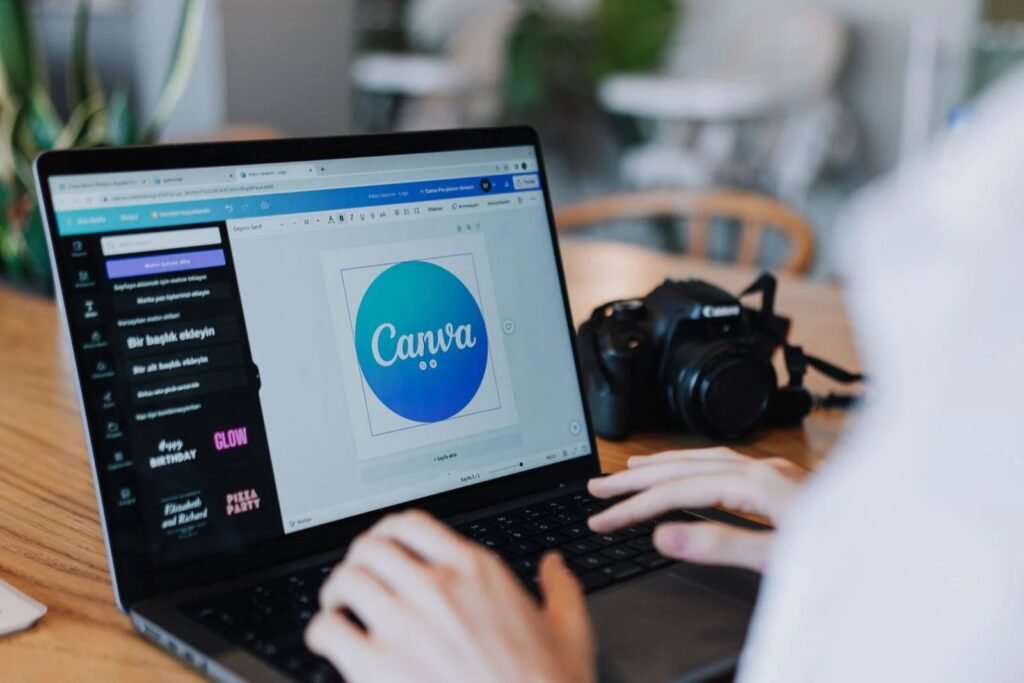
Logo design in Singapore typically costs between SGD 300 and SGD 8,000, depending on who is designing it, how much strategic work is involved, and what files and brand assets you receive. A low-cost logo may be suitable for a new sole proprietorship testing an idea. A more established SME may need a complete identity system that works across a website, shopfront, packaging, social media, uniforms and digital advertising.
The important question is not simply, "How much does a logo cost in Singapore?" It is whether the logo will remain usable as your business grows. Singapore businesses often need their identity to work in compact digital formats, bilingual or multicultural customer environments, physical retail settings and competitive search results. Paying only for an attractive symbol without considering these applications can create expensive rework later.
This guide explains realistic logo design costs in Singapore, what different price levels include, how to evaluate proposals and where logo design fits within a wider marketing budget. It is written for SME owners and marketing managers who want a commercially useful identity, not just a decorative mark.
Singapore market angle: why logo requirements are more demanding
Singapore’s market is geographically small but commercially dense. A local F&B brand may compete with hundreds of nearby outlets on delivery platforms, Google Maps, social media and shopping streets. A fintech company needs to look credible in a highly regulated category. A logistics provider may need branding that works on vans, uniforms, quotations and regional websites. A retail brand may need a logo that is legible on packaging thumbnails before a customer ever sees the physical product.
These conditions affect the cost of logo design. A logo intended only for a basic website header has a narrower brief than one that must work on a signboard, mobile app icon, product label and corporate presentation. Singapore SMEs also tend to serve diverse audiences, so legibility, pronunciation, cultural associations and colour choices require practical consideration.
The PDPA does not directly regulate logo design, but it is relevant to the wider branding process. If a design project involves customer research, email lists, testimonials or audience data, the business should understand how that information is collected and used. Branding decisions also sit alongside operational support such as the IMDA SMEs Go Digital programme and the Productivity Solutions Grant, although eligibility and support levels depend on the specific programme and approved solution. A grant should not be treated as an automatic discount on creative work.
A logo is also one part of a visible customer journey. If people discover your business through search, the identity needs to remain recognisable in Google Business Profile images and local listings. If you are reviewing this alongside search visibility, our SEO services in Singapore can help connect brand presentation with how customers find and assess the business.
What does logo design cost in Singapore?
There is no single standard rate because the phrase "logo design" covers several different services. Some providers sell a quick concept and a few file formats. Others conduct positioning workshops, research competitors, develop a visual system, test applications and prepare a full brand guideline document.
For a Singapore SME, the broad cost ranges below are a useful starting point:
- SGD 100 to SGD 300: template-based or highly automated options, usually with limited customisation and little strategic input.
- SGD 300 to SGD 1,200: freelance or small-studio logo design with a defined number of concepts, revisions and final files.
- SGD 1,200 to SGD 3,500: professionally developed logo and basic visual identity, often including colour, typography and usage guidance.
- SGD 3,500 to SGD 8,000: deeper identity work for an established SME, including discovery, positioning, multiple applications and a more detailed brand guide.
- SGD 8,000 and above: broader branding engagements involving naming, research, brand strategy, architecture, packaging or a full corporate identity system.
These are planning ranges, not fixed market rates. A designer’s experience, the agency’s process, the number of decision-makers and the complexity of the sector all influence the quotation. A logo for a neighbourhood service business may require less development than one for a financial services platform operating across several customer segments.
The lowest quote is not necessarily poor value, and the highest quote is not automatically better. We recommend comparing deliverables, ownership, process and application support rather than comparing only the headline fee.
Logo design cost comparison
| Engagement type | Typical Singapore cost | Usually includes | Best suited to | Main limitation |
|---|---|---|---|---|
| Template or automated logo | SGD 100 to SGD 300 | Basic mark, limited export options | Early-stage testing or temporary use | Little differentiation and limited strategic input |
| Freelance logo project | SGD 300 to SGD 1,200 | One logo, selected concepts, revisions and common file formats | Sole proprietors and small businesses with a clear brief | Scope and application support vary significantly |
| Logo plus basic identity | SGD 1,200 to SGD 3,500 | Logo suite, colour palette, typography and usage guidance | SMEs preparing a professional market launch | May not cover packaging, signage or complex sub-brands |
| Strategic identity project | SGD 3,500 to SGD 8,000 | Discovery, positioning, design system, applications and brand guidelines | Established SMEs repositioning or expanding | Requires more time and stakeholder involvement |
| Full branding engagement | SGD 8,000 and above | Strategy, identity, naming or architecture and extensive guidelines | Businesses building a substantial or multi-market brand | Not necessary for every small business |
The table is useful because it separates the design output from the business situation. A company with a straightforward service and one decision-maker may not need a full identity project. A business launching several products or entering a crowded category may lose more through inconsistency than it spends on a structured process.
What you are really paying for
The visible logo is only the final output. The fee also pays for decisions that reduce uncertainty before the artwork is produced. These decisions include understanding the audience, clarifying the brand’s position, reviewing competitors, choosing a suitable design direction and testing whether the identity can work in real contexts.
Discovery and positioning
A designer needs to know what the business sells, who makes the buying decision, what alternatives customers consider and what the business should be known for. A logo for a premium interior design firm should not communicate the same signals as one for a value-led home repair service. Both may want to look professional, but the meaning of professionalism differs by category.
A useful discovery process should address practical questions. Is the business competing on trust, speed, technical expertise, price, heritage or convenience? Does the audience expect a corporate, approachable or specialist tone? Will the logo need to work beside partner brands, parent companies or product names? The answers affect the design brief.
Concept development
A proper logo project usually explores more than one route, but more concepts do not automatically mean more value. Five weak options can create decision fatigue. Two or three clearly explained directions are often more useful when each is linked to a defined strategic idea.
The designer should explain why a direction fits the business and where it may be used. A symbol that looks compelling on a presentation slide may become indistinct at 24 pixels. A detailed wordmark may look good on a signboard but fail on a mobile app icon. Concept development should therefore consider the smallest and largest realistic applications.
Refinement and responsive versions
Most businesses need more than one logo file. A practical logo system may include a primary horizontal version, a stacked version, a compact mark, a one-colour version and reversed artwork for dark backgrounds. These are not unnecessary extras. They prevent staff from stretching, recolouring or rebuilding the logo each time a new channel appears.
A restaurant may use the full logo on its storefront, a compact mark on delivery packaging and a simplified version on social media. A B2B firm may use a horizontal lock-up on proposals and a small icon for its website favicon. The cost should reflect the number of useful variants, not just the number of files in a download folder.
Brand guidelines
A basic brand guide might be four to eight pages. A larger identity guide may cover logo clear space, minimum size, colour codes, typography, imagery, layouts, tone of voice and examples of incorrect use. For a small business, the guide does not need to become a 60-page document. It does need to be clear enough for a web developer, printer, social media executive or future agency to use without guessing.
Our team often sees businesses with a good logo applied inconsistently because nobody knows which file to use or what colours are approved. A modest guideline document can prevent that problem and protect the investment.
What to expect from the logo design process
A sensible logo project should have a defined process. The exact stages vary, but the commercial logic should remain clear.
1. Brief and business review
You provide information about the business, audience, products, competitors, existing materials and future plans. If the brief says only "make it modern", the project is likely to become subjective. Stronger briefs describe the intended market position and the practical places where the identity will appear.
2. Research and direction setting
The designer reviews relevant competitors and category conventions. This is not about copying what is already successful. It is about identifying signals that customers recognise and deciding whether the brand should meet, refine or challenge those expectations.
In Singapore, research should consider local competitors rather than relying only on international references. A brand may appear distinctive in a global moodboard but look familiar when placed beside businesses in the same neighbourhood, mall or B2B sector.
3. Initial concepts
The designer presents selected concepts with an explanation of the thinking behind them. At this stage, stakeholders should assess strategic fit, readability and likely applications. Feedback such as "I like blue" is less useful than "This direction feels credible for procurement managers but may be too formal for our consumer range".
4. Revisions
The proposal should state how many revision rounds are included and what counts as a revision. Changing the colour or adjusting letter spacing is different from requesting a completely new direction after approval. Undefined revision cycles are a common source of disagreement and cost escalation.
5. Final artwork and handover
Ask for vector files such as AI, EPS or SVG where appropriate, as well as high-resolution PNG and PDF files. You should know whether the final artwork is supplied in RGB for screens, CMYK for print or both. Check that fonts and third-party assets are properly licensed and that the business receives the rights it expects after payment.
6. Application support
The final stage is often overlooked. The logo may need to be placed on a website, business card, quotation template, social profile, signage or packaging. If you are redesigning a website at the same time, our website design service takes conversion, structure and brand presentation into account rather than treating the logo as an isolated graphic.
For an online shop, the requirements can be broader because product grids, checkout screens, packaging inserts and marketplace listings all need consistent branding. An ecommerce website design project may therefore be a better time to resolve identity and application issues together.
How to evaluate a logo design quotation
A quotation should make the scope understandable to someone who was not in the sales conversation. It should identify the number of concepts, revision rounds, meeting arrangements, deliverable formats, timeline, ownership terms and exclusions.
Look for a distinction between a logo and a visual identity. If the quotation promises only "final logo files", ask whether alternate layouts, monochrome versions, social profile assets and usage guidance are included. If you need a brand guide, make sure its contents are stated rather than assumed.
Ask how feedback will be collected. A project involving an owner, marketing manager, sales director and external investor can become inefficient when every person gives separate instructions. One accountable decision-maker and consolidated feedback usually protect both the timeline and the quality of the work.
Clarify intellectual property. You should understand when ownership transfers, whether the designer can reuse generic concepts, whether stock graphics or fonts are included, and whether the business may adapt the logo later. A cheap logo that relies on an uneditable template or unclear licence may not be suitable for long-term use.
Finally, ask what happens if the first direction is rejected. Some providers include a second route. Others charge for additional concepts. Neither approach is inherently wrong, but the commercial terms should be visible before work begins.
Logo design versus broader brand development
Logo design is the creation of a recognisable visual identifier. Branding is the broader system of meaning and experience around the business. The distinction matters because businesses often expect a logo to solve problems caused by positioning, offer structure, service quality or weak communications.
If customers cannot tell why your business is different, changing the symbol alone will not fix the problem. If your website is difficult to navigate, a new logo will not increase trust for long. If sales proposals use inconsistent claims, typography and imagery, the business needs a practical brand system, not simply a new icon.
That does not mean every SME needs a major rebrand. Sometimes the right answer is a focused logo refresh, a better colour system and consistent templates. In other cases, the logo should follow a wider positioning exercise. Our copywriting team can help align the words used on key pages with the visual direction, while content marketing can extend that positioning into useful search-led content.
The commercial decision should be based on the problem. If the business has changed its audience, offer or market position, a broader identity may be justified. If the issue is that the old logo is blurry, dated or impossible to use on digital platforms, a controlled refresh may be sufficient.
When should a Singapore SME invest in a new logo?
A new logo is worth considering when the existing identity creates a specific business problem. Examples include a merger, a move into a higher-value market, a change in ownership, a significant product expansion or a visual identity that looks materially less credible than competitors.
It may also be needed when the current logo cannot be reproduced properly. If staff use different versions across invoices, online listings and social channels, customers may wonder whether they are dealing with the same business. In regulated or trust-sensitive sectors, avoidable inconsistency can be costly.
A logo redesign is less urgent when the business has weak customer retention, unclear pricing, poor reviews or a website that does not explain the offer. Those issues usually deserve attention first. A new identity can support a stronger proposition, but it cannot substitute for one.
Budget timing matters too. If you plan to launch paid campaigns, redesign the website and print new packaging within the same quarter, coordinate the work. Our SEM service and PPC support are more effective when landing pages and ad assets use a coherent identity. Rebranding immediately before a campaign can also create unnecessary production costs if the new assets are not prepared in the correct formats.
Field Notes
- 2 to 3 concepts is usually a productive range for an SME logo project because it gives decision-makers meaningful alternatives without turning the review into a popularity contest.
- 5 to 8 pages is often enough for a basic brand guide when the business has one main logo and a limited number of channels. The number matters less than whether staff can use the rules correctly.
- 24 pixels is a useful practical test for a compact logo mark because many customers first encounter a business through a small browser, social or app-related image. A design that works only when enlarged is incomplete.
- 3 to 5 business days can be enough for a straightforward logo refinement after the brief is approved, but a strategic identity project normally needs substantially longer because research and stakeholder review are involved.
- SGD 300 to SGD 1,200 may cover a focused freelance project, while SGD 1,200 to SGD 3,500 is a more realistic planning range for a logo with a basic identity system. The difference usually lies in scope, not merely visual polish.
- 1 decision-maker should own final approval. Multiple contributors can provide useful input, but one person needs responsibility for consolidating feedback and protecting the commercial objective.
The uncomfortable truth about cheap logo design
A common mistake is treating logo design as a competition to find the lowest quote. That approach can be rational for a business validating a temporary idea, but it is usually false economy for a brand that already invests in signs, packaging, websites and advertising.
The issue is not that inexpensive designers cannot produce good-looking work. Many can. The issue is that low-cost packages often exclude the decisions and applications that make an identity usable. You may receive a single layout, limited file types, no responsive version, no brand guide and no support when a printer or developer needs clarification.
The opposite mistake is assuming that an expensive agency process is automatically strategic. A high fee can still produce a weak outcome if the brief is vague, the decision process is confused or the design is judged only by personal taste. Price is a signal of scope and resources, not proof of quality.
Our position is straightforward: spend enough to solve the actual identity problem, but do not buy a full rebrand when a controlled refresh will do. For many Singapore SMEs, the most defensible investment is a logo system with clear usage rules and the priority applications prepared. That is more useful than paying for an elaborate brand book that nobody opens.
In our experience, the best project discussions start with where the logo will be used and what the business needs customers to understand. The visual style follows from that. We found that this approach also makes internal approval easier because stakeholders can assess the design against a business requirement rather than personal preference.
Client example: what a cafe got for its logo budget
A neighbourhood cafe we worked with, 14 staff and about to open a second outlet, had been using a template logo picked in its first week. It had cost almost nothing, and it showed: it did not fit on a cup sleeve, it looked different on every menu and sign, and customers could not describe the brand.
The budget went into more than a logo file. After discovery in the cafe, we presented three logo routes, refined one through two rounds of changes, and delivered a primary logo, a compact mark tested at cup-sleeve size, a colour palette, two typefaces and a short brand guideline, then applied the identity to signage, menus, cups and bags over a six-week build. Three months after launch, monthly revenue at the original outlet was up 46%, average spend had risen from S$11.80 to S$13.60, and branded Google searches had grown from 90 to 310 a month.
When you compare logo design costs in Singapore, check what is included beyond the file itself. Our cafe branding and logo case study lists exactly what was delivered.
Frequently Asked Questions
Is SGD 500 enough for a logo in Singapore?
It can be enough for a focused logo project with a clear brief, limited concepts and a defined revision process. It may not cover research, a full visual identity, extensive brand guidelines or multiple applications. Before accepting a SGD 500 quotation, confirm the file formats, number of concepts, revision rounds, usage rights and whether the logo is genuinely custom. The price is reasonable only if the scope matches your needs.
How much should an SME budget for logo design?
Many Singapore SMEs should plan between SGD 1,200 and SGD 3,500 if they need a logo plus a basic identity system. A business with a very simple requirement may spend less, while a company repositioning itself or managing several products may need SGD 3,500 to SGD 8,000 or more. We recommend setting the budget after listing the required applications, not before. That prevents paying for unnecessary work or discovering missing deliverables late in the project.
Should I choose a freelancer or an agency?
Choose based on the complexity of the problem and the support you need. A capable freelancer may be suitable for a straightforward logo with one decision-maker and limited applications. An agency can be more appropriate when identity work is connected to a website, content, advertising, multiple stakeholders or a broader repositioning. The important comparison is not freelancer versus agency in the abstract. It is whether the provider can manage the required strategic and production scope.
How long does logo design take in Singapore?
A simple project may take two to four weeks from briefing to final files, depending on feedback speed. A broader identity project can take four to eight weeks or longer. Timelines expand when there are several decision-makers, unclear positioning, additional concepts or many applications to prepare. Ask for a stage-by-stage schedule and identify when your feedback is needed. A fast delivery is useful only when the process is sufficiently considered.
Do I need a logo before building my website?
You need an approved visual direction before the website is finalised, but the logo and website do not always need to be separate projects. Building a website around an unfinished identity can lead to awkward spacing, colour changes and rework. Conversely, delaying the entire website for a minor logo refinement may not be necessary. Decide whether the logo is strategically changing the brand or simply being cleaned up, then sequence the projects accordingly.
What logo files should I receive?
At minimum, ask whether you will receive editable vector artwork and usable screen and print formats. SVG is useful for many digital applications, while PDF, EPS or AI may be needed for professional production, depending on the supplier. Request light, dark, full-colour and one-colour versions where relevant. Also confirm font and image licences, colour specifications, ownership terms and whether the provider will supply a compact mark for small placements.
Can a new logo improve SEO or Google Ads results?
A logo does not directly improve organic rankings or reduce advertising costs. It can support trust, recognition and consistency, which may improve how people assess a business after arriving through search or an advert. Technical SEO, useful content, landing page quality and campaign structure still do the performance work. Our digital marketing services consider these elements together, rather than presenting a logo as a substitute for marketing fundamentals.
A practical recommendation for your next step
Start by writing a one-page identity brief. State what the business sells, who it serves in Singapore, what it wants to be known for, which competitors matter and where the logo will appear in the next 12 months. List the required files and applications before requesting quotations.
Then ask two or three providers to quote against the same brief. Compare the process, concepts, revisions, deliverables, rights, timeline and exclusions. If the business is entering a new market or changing its offer, include positioning and basic identity work. If the business simply has an unusable old logo, keep the scope focused.
Finally, connect the logo decision to the customer journey. Review the website, search presence, social profiles, proposals and physical touchpoints together. A logo becomes valuable when it makes those experiences more coherent and credible. If you want an independent discussion about the appropriate scope, you can contact Digital Marketing Singapore with your current identity, business stage and intended applications.
The right logo design investment in Singapore is not the cheapest or most elaborate option, but the smallest well-defined scope that gives your business a distinctive, usable and consistent identity.

Natasha Tan is the founder of Digital Marketing Singapore, a full-service SEO and digital marketing agency based in Singapore. With hands-on experience across SEO, paid media, and content strategy, she works directly with Singapore businesses to build organic visibility and generate consistent leads. Natasha specialises in the Singapore market — including local search behaviour, PDPA compliance, and government grant navigation for SMEs.