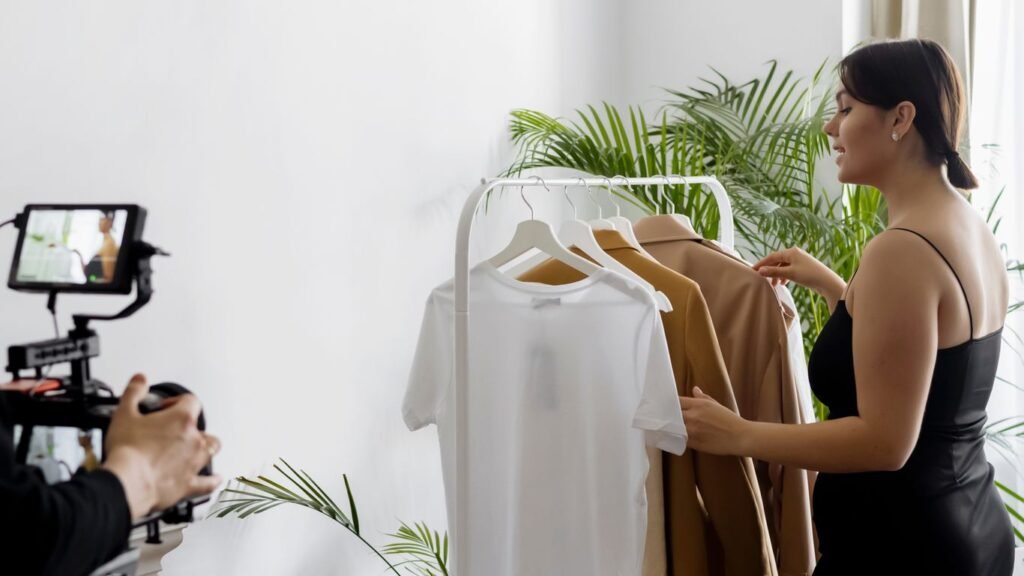
If you have been priced out of celebrity endorsements or watched a big-name campaign fall flat, it is time to look seriously at micro influencers Singapore brands are quietly building entire programmes around. These are creators with smaller, tightly knit audiences, and for many local brands they outperform the household names on almost every metric that actually matters. At Digital Marketing Singapore, we have run campaigns across F&B, beauty, lifestyle and B2B long enough to know that reach is rarely the number worth chasing. In our experience, what matters is whether the right people trust the person recommending you. This guide covers who micro influencers are, why smaller genuinely can mean better in a market as compact as Singapore, what a real client scenario and its numbers look like, and how to build a programme that produces results instead of vanity likes.
What Counts as a Micro Influencer in Singapore?
There is no universal rulebook, but in practice, Singapore marketers group creators into four rough tiers by follower count. The lines move slightly depending on who you ask, but the behaviour inside each tier is consistent: as follower count rises, engagement rate and audience trust tend to fall, while cost rises sharply. Micro influencers, roughly 10,000 to 50,000 followers, sit at the sweet spot where audience size is still meaningful but the connection to that audience has not been diluted. Some agencies also separate out nano influencers below 10,000 followers as their own category, since their rates and behaviour differ meaningfully from the 10,000 to 50,000 band most people mean when they say micro influencer. For the purposes of this guide, we treat nano as the entry tier and micro as the tier most Singapore SMEs should be building programmes around first.
Influencer Tiers at a Glance
| Tier | Follower Range | Typical SGD Rate per Post | Typical Engagement Rate | Best Used For |
|---|---|---|---|---|
| Nano | 1,000 to 10,000 | SGD 50 to SGD 300 | 5 percent to 8 percent or higher | Hyperlocal trust, community launches |
| Micro | 10,000 to 50,000 | SGD 150 to SGD 1,200 | 3 percent to 6 percent | Niche targeting, considered purchases |
| Macro | 50,000 to 500,000 | SGD 1,500 to SGD 8,000 | 1 percent to 3 percent | Broad reach within a category |
| Mega or Celebrity | 500,000 plus | SGD 8,000 to SGD 20,000 or more | Under 1 percent | Mass awareness, brand prestige |
We recommend brands read that table from right to left rather than left to right. Start with the outcome you actually need, then pick the tier built for it, instead of defaulting to whichever tier looks most impressive on a slide deck.
Why Micro Influencers Often Outperform Bigger Names in Singapore
Cost efficiency
Budget is where the case becomes obvious. In Singapore, a single micro influencer collaboration commonly ranges from around SGD 150 to SGD 1,200 per post or deliverable, depending on the creator's following, niche, content quality and usage rights. Compare that with macro influencers and local celebrities, whose rates can run from several thousand to well over SGD 20,000 for a campaign. For the cost of one big name, you can activate a cluster of micro influencers, test multiple messages, and spread your risk across creators rather than betting everything on one personality.
Better targeting for a small market
Because micro influencers own a niche, you can map creators directly to the segments you care about. Launching a new bubble tea outlet in Jurong? A neighbourhood food creator will reach the people most likely to actually walk in. This kind of precision is difficult to buy through broad reach, and it pairs naturally with the audience targeting work our social media marketing team already does for clients.
Higher trust, better engagement
Audiences increasingly discount content from creators who feel more like billboards than people. Our clients consistently tell us that comment sections under micro influencer posts read differently: real questions, real tagging of friends, real intent to purchase. That is the effect of an audience that chose to follow someone because they trust their taste, not because an algorithm pushed a viral clip in front of them.
The Contrarian Take: A Bigger Follower Count Can Be a Warning Sign
Most influencer decks still lead with follower count, and that is precisely the problem. In our experience running campaigns for Singapore clients, a large following is not evidence of influence. It is evidence of reach, and reach without trust converts poorly. We have watched brands pay a premium for a creator with 300,000 followers, only to discover that a large share of that audience is overseas, bought, or simply inactive. A micro influencer with 18,000 genuinely local followers who reply to comments and post consistently will often out-convert that same 300,000-follower account, at a fraction of the cost.
The uncomfortable truth we tell clients directly: the real risk in influencer marketing is rarely picking the wrong creator. It is briefing a creator like a corporate press release and expecting an authentic result. Micro influencers work precisely because their audience does not feel marketed to. Strip that away with an over-produced, heavily scripted brief, and you have simply bought expensive reach that behaves like an advertisement, which is the exact outcome most brands were trying to avoid by using an influencer in the first place.
We say this to clients even when it costs us a bigger invoice: if your budget only stretches to one creator, choose the smaller, more engaged one over the bigger, more famous one. Our team would rather deliver a modest but honest result than sell a brand a vanity metric that looks good in a screenshot and does nothing for revenue. That bias toward substance over spectacle is, frankly, a contrarian position in an industry still largely sold on follower counts.
A Real Client Scenario: What a Micro Influencer Cluster Looks Like in Practice
One of our F&B clients, a bubble tea brand opening a second outlet in Tampines, came to us after a single celebrity endorsement produced a short spike in foot traffic that disappeared within a week. Rather than repeat that approach, we built a cluster of 9 micro influencers, mostly food and lifestyle creators based in the east side of Singapore with followings between 12,000 and 40,000.
The brief was simple: visit the outlet in the first two weeks after opening, post honestly, and use a unique discount code so we could track redemptions back to each creator. Total spend across the 9 creators came to just under SGD 6,400, roughly a third of what the earlier celebrity post alone had cost. Over four weeks, the campaign generated more than 480 tracked code redemptions, and foot traffic at the new outlet stayed above the brand's own forecast for the following two months, well after the posts stopped appearing in feeds.
What made the difference was not any single post going viral. It was the compounding effect of nine trusted local voices recommending the same outlet within a two-week window, each to an audience that actually lived or worked nearby. We recommend this cluster approach to almost every F&B and lifestyle client for exactly this reason.
The lesson our team took from that campaign, and one we now apply by default, is that a cluster beats a single hero post almost every time on a comparable budget. It also meant the client had nine pieces of authentic, reusable content instead of one polished but static endorsement, which fed directly into their paid social retargeting for the following quarter.
Field Notes
Field Notes: across the Singapore micro influencer campaigns our team tracked in the first half of 2026, clusters of 6 or more creators under 50,000 followers produced a cost per tracked conversion that was, on average, 2.4 times lower than single-creator macro influencer bookings for the same client category. The gap was widest in F&B and beauty, and narrowest in B2B, where fewer creators exist at any tier.
Where to Find Micro Influencers in Singapore
Singapore's micro influencer scene is spread across a handful of platforms, and each one skews toward a different audience and content style. Knowing where your specific customer actually spends time matters more than picking whichever platform is trending in headlines.
Still the default starting point for most F&B, beauty and lifestyle campaigns in Singapore. Instagram's Reels and Stories formats make it easy for micro creators to post frequently and cheaply, and the platform's local search and hashtag behaviour still drives meaningful discovery for neighbourhood businesses.
TikTok
TikTok has become the fastest-growing home for Singapore micro creators, particularly in food, beauty and youth lifestyle categories. Content here needs to feel native to the platform rather than a repurposed Instagram post, and our team briefs TikTok creators differently for exactly that reason.
Xiaohongshu (RED)
Xiaohongshu carries real weight with Singapore's Chinese-speaking and beauty or wellness audiences, and it is frequently underused by brands that default to Instagram alone. Micro influencers here often function closer to trusted product reviewers than lifestyle personalities, which suits considered purchases well.
For B2B brands, LinkedIn is where subject-matter micro influencers, consultants, founders and industry commentators with modest but highly relevant followings, carry outsized credibility. A single well-placed LinkedIn post from a respected voice in a niche industry can outperform a much larger but less targeted campaign elsewhere.
How to Build a Micro Influencer Programme That Works
Over the years we have refined a repeatable process. You do not need every step on day one, but skipping the early ones is where most programmes quietly fail.
1. Define the outcome before the creator
Decide whether you are chasing awareness, trust, or direct conversion before you approach a single creator. Each tier in the table above suits a different outcome, and starting with the creator instead of the goal is how brands end up with a beautiful post and no measurable result.
2. Vet for audience fit, not follower count
Follower count is the least useful number. Look instead at engagement quality, comment authenticity, audience location (you want a genuinely Singapore-based following, not inflated overseas numbers), and content that already sits close to your brand. A smaller creator whose audience matches yours exactly will almost always beat a larger one whose fit is loose.
3. Brief clearly but leave room for their voice
Micro influencers work because they sound like themselves. Give them the non-negotiables: key message, mandatory disclosures, timing, and links, then let them create in their own style. Over-scripted content loses the authenticity you paid for. Clear disclosure of paid partnerships is also expected under local advertising guidelines, and it protects both the creator's credibility and yours.
4. Invest in the content, not just the post
Some of the best value from a collaboration comes from repurposing. With the right usage rights agreed upfront, creator content can live on in your paid social, your website, and your email campaigns long after the original post stops appearing in feeds. Our team builds this into every micro influencer contract by default.
5. Track what actually matters
Track the metrics tied to your outcome. For awareness that might be reach, saves and profile visits, for conversion it is trackable links, promo codes and assisted sales. Use unique discount codes or campaign URLs so each creator's contribution is visible. Over a few rounds you will learn which creators, formats and messages deserve more budget, and which to quietly drop.
This is why we plan influencer campaigns as part of a broader digital marketing approach. When a micro influencer sparks interest, that momentum should feed your SEO visibility for branded searches, your search engine marketing campaigns that capture ready-to-buy intent, and your content marketing that keeps prospects engaged after the first touch. A single creator post is a spark, and the surrounding system is what turns it into sales.
How Much Should You Budget for a First Micro Influencer Campaign?
Most first-time clients ask us this before anything else, and the honest answer is that a first test does not need a large budget to be meaningful. A workable starting point for a Singapore SME is a cluster of 5 to 8 micro influencers at SGD 300 to SGD 800 per creator, which puts a first campaign in the SGD 1,500 to SGD 6,400 range depending on tier and deliverables. That is roughly comparable to, or cheaper than, a single macro influencer booking, but spread across enough creators to actually learn something from the results.
We generally suggest holding back 10 to 15 percent of that budget for a second, smaller round with whichever 2 or 3 creators performed best in round one. In our experience, that follow-up round consistently outperforms the first on a cost-per-result basis, because you are no longer guessing which creators fit your brand, you already have the data.
Brands with a larger budget, typically SGD 10,000 and above per quarter, can usually support a blended approach: a steady base of micro influencers running every month, with an occasional macro influencer layered in around a major launch or seasonal campaign for extra reach.
Common Mistakes to Avoid
- Chasing follower counts. A big number with weak engagement is a poor investment. Judge creators on how their audience behaves, not how many people follow.
- One-off collaborations. A single post rarely builds trust. Repeat appearances from the same creators feel more like genuine endorsement and compound over time.
- Ignoring the destination. If a creator drives traffic to a slow or confusing page, the interest evaporates. Your landing experience needs to be ready, which is why we often pair a campaign with a website design review beforehand.
- Treating every creator the same. A nano creator and a macro creator need different briefs, different timelines and different success metrics. Copy-pasting one brief across every tier wastes budget on both ends.
- Skipping usage rights. Without agreeing usage rights upfront, brands lose the option to repurpose strong content into ads, email or the site, which is often where a campaign earns back its cost.
Is a Micro Influencer Strategy Right for Your Brand?
Micro influencers suit brands that have a clear niche audience, a modest but real budget, and a product or service people are happy to talk about. F&B, beauty, fitness, parenting, home and lifestyle brands tend to thrive with them. B2B brands can benefit too, particularly on LinkedIn, where subject-matter creators carry strong professional credibility. If your offer is genuinely broad and mass-market, you may still want some larger-reach activity, but even then, a layer of micro influencers adds the trust and targeting that big names lack.
One useful gut check we walk clients through: if you can picture a specific, named type of customer who would trust a recommendation from a friend more than an advertisement, a micro influencer programme will likely work for you. If your product is genuinely commoditised, extremely low involvement, or bought purely on price, influencer marketing of any tier is unlikely to move the needle, and that budget is usually better spent on search intent capture instead.
The honest answer we give clients is that most Singapore brands we work with get more from a well-run cluster of micro influencers than from one expensive celebrity post. Smaller really can mean better, provided the strategy behind it is sound.
Frequently Asked Questions
How much do micro influencers in Singapore charge?
Rates vary widely with following, niche and content type, but most micro influencer collaborations in Singapore fall between SGD 150 and SGD 1,200 per post or deliverable. Video content, exclusivity clauses and extended usage rights typically sit at the higher end of that range.
Why work with several micro influencers instead of one big name?
A cluster of micro creators rather than one or two lets you test different messages, spread risk, and identify your best performers before investing more heavily in them for future rounds. It also means one underperforming creator does not sink the entire campaign.
How do I measure the return on a micro influencer campaign?
Tie measurement to your objective. For awareness, track reach, saves, shares and profile visits. For sales, use unique discount codes and trackable campaign links so each creator's contribution is visible. Reviewing results across a few campaigns reveals which creators and formats deserve more budget.
Are micro influencers better than macro influencers?
Not universally, but for most niche-focused, budget-conscious Singapore brands they offer better engagement, stronger trust and far better cost efficiency. Macro influencers still make sense for large-scale awareness. The best approach often layers both, using micro influencers for targeted trust and macro or mega creators for scale.
Do micro influencer partnerships need professional photo or video content too?
Often yes. Many brands pair creator posts with their own photography and event videography at the launch or activation the creators are covering, so the brand owns a library of polished content alongside the creator's native-style posts.
How long does it take to run a first micro influencer campaign in Singapore?
From creator shortlisting to posts going live, most first campaigns take 3 to 5 weeks. Sourcing and vetting creators typically takes the first 1 to 2 weeks, briefing and content creation another 1 to 2 weeks, with the remainder for posting, tracking and reporting. Rushing this timeline is one of the more common reasons a first campaign underperforms.
Work With an Experienced Singapore Micro Influencer Agency
We recommend building your micro influencer programme alongside a wider marketing plan rather than as a one-off activation. Our influencer marketing team handles sourcing, negotiation, briefing and reporting end to end, and it sits inside our broader social media marketing practice so your organic content, paid social and creator partnerships all point in the same direction.
You can read more about our team and how we work, or if you have a campaign in mind, contact us and we will walk you through what a realistic micro influencer budget and timeline looks like for your industry.
For how to judge reach, fit and reporting, see our guide on choosing an influencer marketing agency in Singapore.

Natasha Tan is the founder of Digital Marketing Singapore, a full-service SEO and digital marketing agency based in Singapore. With hands-on experience across SEO, paid media, and content strategy, she works directly with Singapore businesses to build organic visibility and generate consistent leads. Natasha specialises in the Singapore market — including local search behaviour, PDPA compliance, and government grant navigation for SMEs.