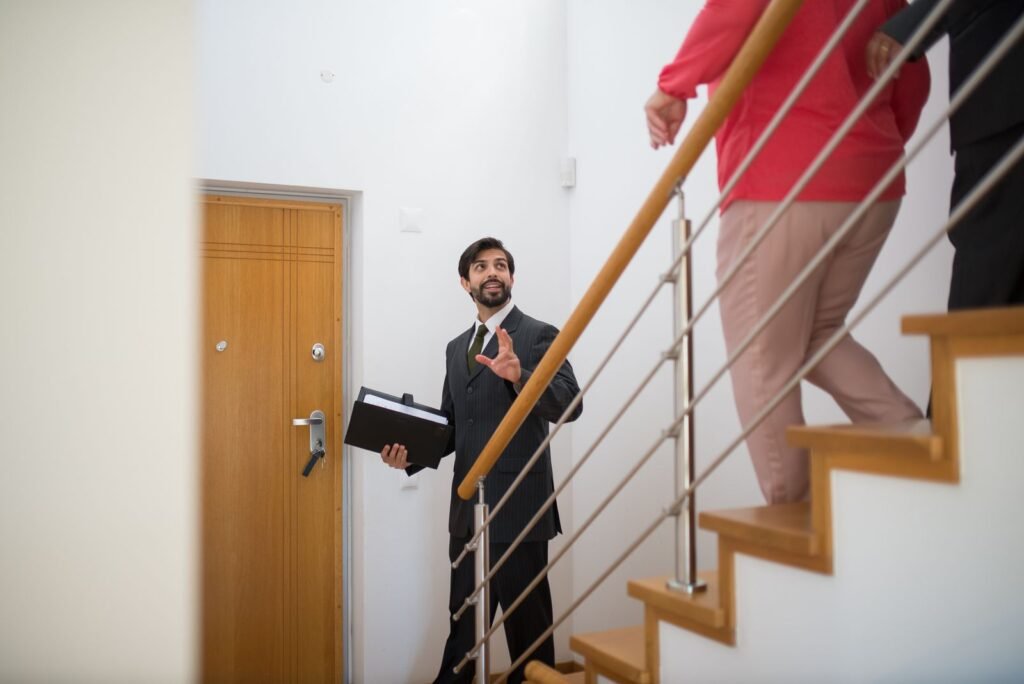
Scroll through any Singapore property portal for five minutes and the split becomes obvious: some listings look like they were shot for a lifestyle magazine, bright, wide, carefully composed, while others look like they were snapped on a phone between viewings, dim, cluttered, and slightly crooked. Real estate photography singapore agents choose to invest in has become one of the clearest, most measurable differentiators in a market where buyers form a first impression in seconds, long before they read a single word of the listing description. This guide walks through why photography quality matters so much in this specific market, what actually separates professional work from a rushed phone shoot, how to commission a shoot the right way, and how photography should sit inside a wider marketing plan rather than standing alone.
We have reviewed listings for agents across HDB, condominium, and landed segments, and the pattern holds regardless of price point: photography quality correlates with enquiry volume far more consistently than most agents expect. This is not a cosmetic concern. It is closer to a conversion problem, and it deserves the same level of attention agents already give to pricing strategy and portal placement.
Why photography quality matters so much in Singapore's property market
Singapore's property portals are dense. A buyer searching for a three bedroom condo in a specific district will typically see dozens of comparable listings on a single results page, often on a mobile screen no larger than the palm of their hand. In that environment, the thumbnail image is doing almost all of the persuasive work before a buyer even clicks through. If the thumbnail is dark, blurry, or shows a cluttered room, most buyers scroll past without a second thought, regardless of how good the actual unit or the asking price might be.
The speed at which this judgement happens is worth sitting with. Buyers browsing on mobile form an impression of a listing, and by extension the agent behind it, within a few seconds of the page loading. There is no second chance at that first scroll. A listing with genuinely strong photography earns a click. A listing with weak photography competes purely on price, which is rarely a position an agent wants to be in, since it removes almost every other lever they have to differentiate the property.
There is also a compounding effect across an agent's entire portfolio. Buyers and sellers who browse an agent's past listings, whether on a portal profile or a personal website, form an opinion of that agent's overall standard of work from the photography alone. An agent whose every listing looks considered and professional reads as more established and more trustworthy than one whose galleries are inconsistent. In our experience, this matters enormously in a business built almost entirely on referrals and repeat relationships, where reputation compounds slowly but photography quality is often the first visible signal of it.
Contrary to the assumption that hiring the most expensive photographer on the market guarantees the best listing performance, shoot discipline tends to outperform photographer price point. A mid-tier photographer working a properly staged, decluttered, well-lit unit consistently produces stronger portal engagement than a premium photographer shooting a rushed, cluttered walkthrough. For agents working with a tighter budget, the higher-leverage move usually isn't upgrading the photographer; it's spending an extra hour on staging and picking the right time of day for natural light before the photographer ever arrives.
What separates professional real estate photography from a phone shoot
Many agents think a phone camera is good enough in 2026, given how capable modern phone cameras have become for everyday photos. In reality, the gap between a professional real estate shoot and a phone shoot is not really about the sensor. It is about technique, planning, and post-production, three things a phone alone cannot supply no matter how many megapixels it has.
Equipment and lens choice
Professional real estate photographers shoot with full-frame cameras and specialised wide-angle lenses designed to capture a room's full proportions without the barrel distortion that makes amateur wide shots look warped, with straight lines bowing outward near the edges of the frame. Getting a wide, accurate view of a Singapore HDB living room or a compact condo bedroom without introducing that distortion is a genuine technical skill that takes real equipment and practice to execute cleanly.
Lighting technique
Interior lighting is arguably the single biggest differentiator. Professional photographers plan around natural light, timing a shoot for the point in the day when a unit's windows are catching the best light, and they supplement with off-camera flash or continuous lighting to balance interior and exterior exposure so that windows do not blow out into white rectangles while the room behind them goes dark. A phone camera's built-in flash and automatic exposure cannot manage this balance, which is why phone photos of interiors so often look either too dim or harshly lit with strange colour casts.
Staging and composition
Before a single photo is taken, a professional shoot usually involves decluttering surfaces, straightening furniture, tucking away cables and personal items, and choosing camera angles that genuinely highlight a unit's strengths, whether that is natural light, storage, or a view. This preparation work is unglamorous but it shows up directly in the final images. A common mistake is scheduling the shoot around the agent's convenience instead of the light and the state of the property, which routinely produces photos that need to be redone at extra cost.
HDR technique and editing
Most professional real estate photography today uses a bracketed exposure technique, capturing several shots of the same frame at different exposures and blending them in post-production so that both the bright window view and the darker interior are properly exposed in one final image. This is combined with colour correction and consistent editing across an entire listing set, so that every room in the gallery feels like it belongs to the same coherent shoot rather than a set of unrelated snapshots.
Avoiding the wide-angle distortion trap
It is worth flagging a specific pitfall directly, since it is one of the most common signs of amateur or poorly executed photography. Ultra-wide lenses used incorrectly, or smartphone panorama modes stretched to make a small room look bigger, tend to produce curved walls, stretched furniture, and a subtly disorienting sense of scale once a buyer walks in and the room does not match the photos. This can actually damage trust rather than help a listing, since buyers who feel misled by photography arrive at a viewing already skeptical of the rest of the listing description.
Beyond still photos: drone shots, virtual tours, and video
Photography on its own has become table stakes in many segments of the market. The listings that stand out now typically combine still photography with at least one additional format suited to the property type and price point.
Drone and aerial photography
For landed properties, larger developments, and units marketed partly on their surroundings or view, aerial photography can capture context that ground-level shots simply cannot, showing a property's position relative to its neighbourhood, green space, or coastline in a single frame. It tends to add the most value for higher-value listings where location itself is part of the sales pitch, rather than being essential for every single unit on a portal.
Virtual tours and floor plans
Interactive virtual tours let a prospective buyer walk through a unit remotely at their own pace, which has become particularly valuable for overseas buyers or investors who cannot attend a physical viewing before making a shortlisting decision. Paired with an accurate floor plan, a virtual tour gives buyers a genuine sense of layout and flow that a gallery of static images alone cannot fully convey, and it tends to reduce the number of viewings booked purely out of curiosity rather than genuine interest.
Twilight photography
Twilight or dusk photography, where exterior shots are captured in the narrow window after sunset when the sky still holds colour and interior or facade lighting is switched on, produces a noticeably more premium look than a standard daytime exterior shot. It is a small addition to a shoot that tends to have an outsized effect on how a listing's cover image performs, particularly for landed homes and premium developments.
Video walkthroughs
Short walkthrough videos give buyers a sense of a property's scale and flow that still images cannot replicate, and they tend to perform particularly well when shared on social media, where video content is generally favoured over static posts. For larger launches or show flat unveilings, professional event videography can also capture the launch event itself, giving a developer or agency material to use across their marketing for months afterward.
How to commission a shoot correctly
Good photography starts well before the photographer arrives. Agents who treat the shoot itself as the entire process tend to get inconsistent results, while those who plan the lead-up carefully tend to get a noticeably stronger gallery from the same photographer and the same property.
Preparing the property
Decluttering is the single highest-leverage preparation step, and it costs nothing beyond time. Clearing kitchen counters, tidying away cables, making beds, and removing personal items from view all make a measurable difference to how spacious and considered a unit looks in the final gallery. We recommend sending sellers or tenants a simple preparation checklist ahead of the shoot date, since most people do not instinctively know what a photographer needs to see an empty surface, a made bed, and closed cupboard doors.
Scheduling around the light, not the agent's calendar
The single most avoidable mistake in commissioning a shoot is booking it purely around whichever slot is convenient for the agent's schedule, without considering which direction the unit faces or what time of day its windows catch the best natural light. A north-facing unit shot at the wrong hour can look flat and grey even with excellent equipment, while the same room shot at the right time of day can look genuinely bright and inviting. In our experience, this single scheduling decision has more impact on final image quality than almost any other variable in the process.
Briefing the photographer on the target buyer
A brief conversation before the shoot about who the target buyer actually is, a young family looking for space, a downsizing couple looking for low maintenance, an investor looking at rental yield, helps a photographer choose angles and emphasis that speak to that audience rather than shooting generically. Our team has found that agents who share even a short written brief before a shoot tend to receive a gallery that better supports their actual marketing angle for that specific listing.
Usage rights and licensing
Before booking, agents should clarify exactly where the images can be used: on the portal listing, on the agent's own website, in social media posts, and in any printed collateral. Licensing terms vary between photographers and studios, and some limit usage to the original portal listing unless a broader license is purchased. This is worth resolving upfront rather than discovering a restriction after a gallery has already been used across multiple channels.
How photography feeds into the rest of an agent's marketing
Photography rarely operates in isolation from an agent's broader marketing effort, and treating it as a standalone task tends to waste much of its value. The same gallery that anchors a portal listing should also be feeding an agent's other channels.
On the portal itself, the cover image and gallery order matter as much as image quality. Agents who lead with the strongest, brightest shot rather than simply uploading images in the order they were delivered tend to see stronger click-through from search results. Beyond the portal, a strong personal website that properly showcases a photography portfolio gives an agent a place to build long-term credibility that a rented portal profile simply cannot offer, since the agent owns that presence entirely.
On social media, listing photography and short video clips tend to be some of the highest-performing content an agent can post, provided the images are genuinely strong rather than reused portal thumbnails. Pairing photography with proper content creation planning, thinking through captions, sequencing, and posting cadence rather than uploading a gallery all at once, tends to extend the useful life of a single shoot considerably. Photography also supports an agent's wider content marketing efforts, since strong images make neighbourhood guides, market updates, and other long-form content noticeably more shareable than text alone.
Print collateral, whether that is a physical brochure for a show flat, a postcard drop for a new listing, or signage outside a property, also depends entirely on having high-resolution, well-composed images available. Agents who only ever commission web-resolution photography often find themselves needing a second shoot when a print opportunity comes up, which is both slower and more expensive than agreeing on full usage rights and resolution at the outset. A broader digital marketing strategy that ties portal listings, website, social media, and print collateral together around the same photography asset tends to generate meaningfully more enquiries than treating each channel separately.
Typical packages and pricing for real estate photography in Singapore
Pricing varies by studio, property size, and how many additional formats are bundled into a single booking, but the table below sets out the general shape of the market as we have seen it quoted to agents across HDB, condo, and landed listings.
| Package tier | Typical SGD price range | What is included | Best use case |
|---|---|---|---|
| Basic photography | SGD 200 to SGD 400 | Still photography of interior and exterior, basic editing and colour correction, digital delivery | Standard HDB or condo resale listings on a limited budget |
| Photography plus drone or aerial | SGD 400 to SGD 700 | Full interior gallery plus exterior aerial shots of the property and surrounding area | Landed homes, larger developments, listings where location is a selling point |
| Photography plus virtual tour and floor plan | SGD 600 to SGD 1,000 | Full gallery, interactive walkthrough tour, measured floor plan | Listings targeting overseas buyers or investors who cannot attend viewings easily |
| Full marketing package with video | SGD 1,200 to SGD 2,500 | Photography, drone, virtual tour, floor plan, and a short walkthrough or promotional video | New launches, premium landed homes, or listings an agent wants to use as a portfolio centrepiece |
These ranges shift with property size and studio experience, and agents should always confirm exactly what is included, particularly around usage rights, number of edited images delivered, and turnaround time, before booking. We recommend asking for a sample gallery from a recent shoot at the same tier before committing, since pricing alone does not tell you much about the actual standard of work.
Client example: what better property photography changed for an interior design firm
One interior design firm we worked with had strong projects but weak images. Photos were taken on a phone by the designers on handover day, often while the owner's furniture was still being moved in, so the portfolio read like a record of finished jobs rather than a reason to hire the firm.
We chose three recent homes that showed the firm's range, a compact HDB flat, a condominium unit and a small shophouse office, wrote a shot list for each covering wide room shots and material close-ups, and produced project photography, a showreel and short videos over a 4-week shoot and edit.
Three months later, monthly website enquiries were up 121% and consultation bookings were up 140%. The same principle applies to a property listing: the first photos decide whether anyone clicks. Read the full interior design photo and video case study.
Frequently asked questions
How much does real estate photography cost in Singapore?
Basic packages for a standard HDB or condo listing typically run from around SGD 200 to SGD 400, while packages that bundle in drone photography, virtual tours, or video can run from SGD 600 up to SGD 2,500 depending on scope. Pricing depends heavily on property size, studio experience, and how many additional formats are included in a single booking.
Do I need drone photography for every listing?
No. Drone photography tends to add the most value for landed properties, larger developments, or listings where the surrounding area or view is genuinely part of the sales pitch. For a standard HDB flat or a mid-tier condo unit without a distinctive view, it is often an unnecessary added cost rather than a meaningful differentiator.
How long does a real estate photography shoot take?
Most residential shoots can be completed within a few hours in a single visit, depending on property size and how many additional formats, such as drone or video, are being captured on the same day. Editing and delivery typically follow within a few business days after the shoot itself.
Can I reuse photos across multiple portals and social media?
It depends entirely on the licensing terms agreed with the photographer or studio. Some packages include broad usage rights covering portals, personal websites, and social media, while others restrict use to the original portal listing unless a wider license is purchased. Always confirm usage rights before booking rather than assuming broad reuse is included by default.
Should the agent or the seller pay for photography?
Practice varies across the industry, but many established agents treat quality photography as a standard cost of doing business rather than passing it on to every seller individually, since consistent photography quality across an agent's entire portfolio is part of what builds their personal brand over time.
Field Notes
Across the listing galleries our team has reviewed for agents over the past few cycles, a recurring pattern stands out: roughly 4 in 10 listings we looked at had photography that agents themselves flagged, once shown the comparison, as the likely reason for weak click-through on the portal. We have also noticed a rough pattern in days-on-market when comparing similarly priced units in the same development: listings with professionally shot, well-lit galleries tend to move through their first round of viewings noticeably faster than listings using phone photography, even when asking prices are close. These are patterns we have observed across the agents and listings we work with, not a formal study, but they line up with what agents consistently tell us anecdotally about their own enquiry volume.
Getting your next listing photographed properly
Photography is one of the more straightforward investments an agent can make relative to its impact, and it pays back quickly through faster enquiries and stronger perceived credibility across an entire portfolio, not just a single listing. If your current galleries are not doing your properties justice, our production team can help. Learn more about our photography services, read more about who we are on our about page, or get in touch to discuss a shoot for your next listing. Our team is happy to walk through package options and turnaround times before you commit to a booking, and if you would rather start with a quick question than a full booking, feel free to contact us directly.

Natasha Tan is the founder of Digital Marketing Singapore, a full-service SEO and digital marketing agency based in Singapore. With hands-on experience across SEO, paid media, and content strategy, she works directly with Singapore businesses to build organic visibility and generate consistent leads. Natasha specialises in the Singapore market — including local search behaviour, PDPA compliance, and government grant navigation for SMEs.